Politics
Senior U.S. diplomats quit OAS mission amid ambassador clash
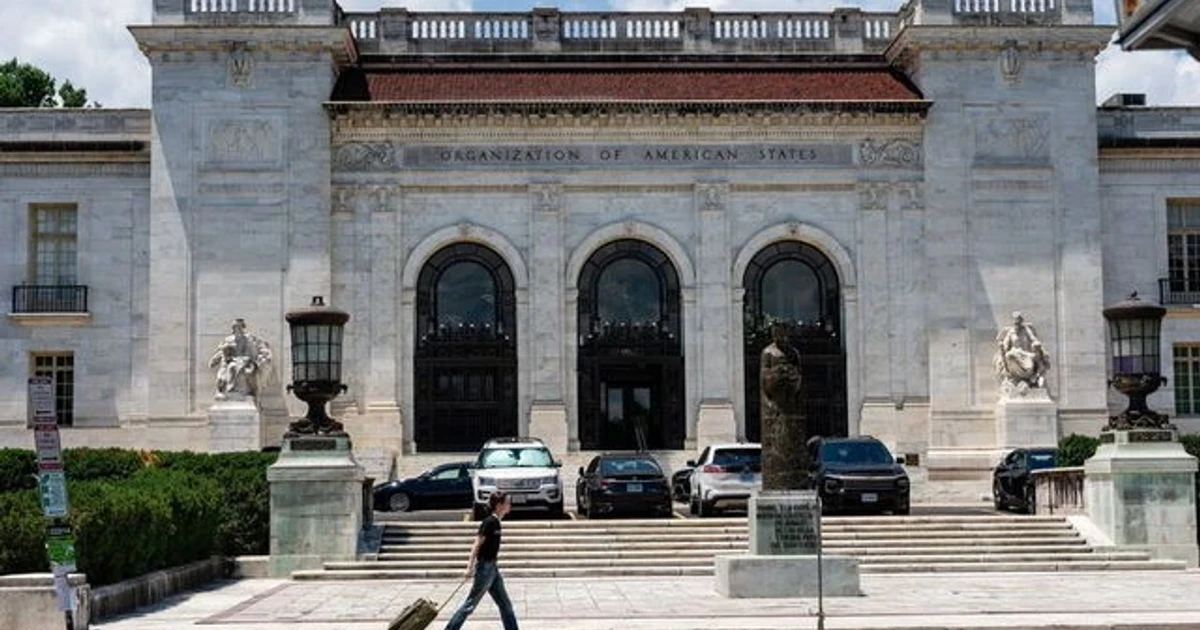
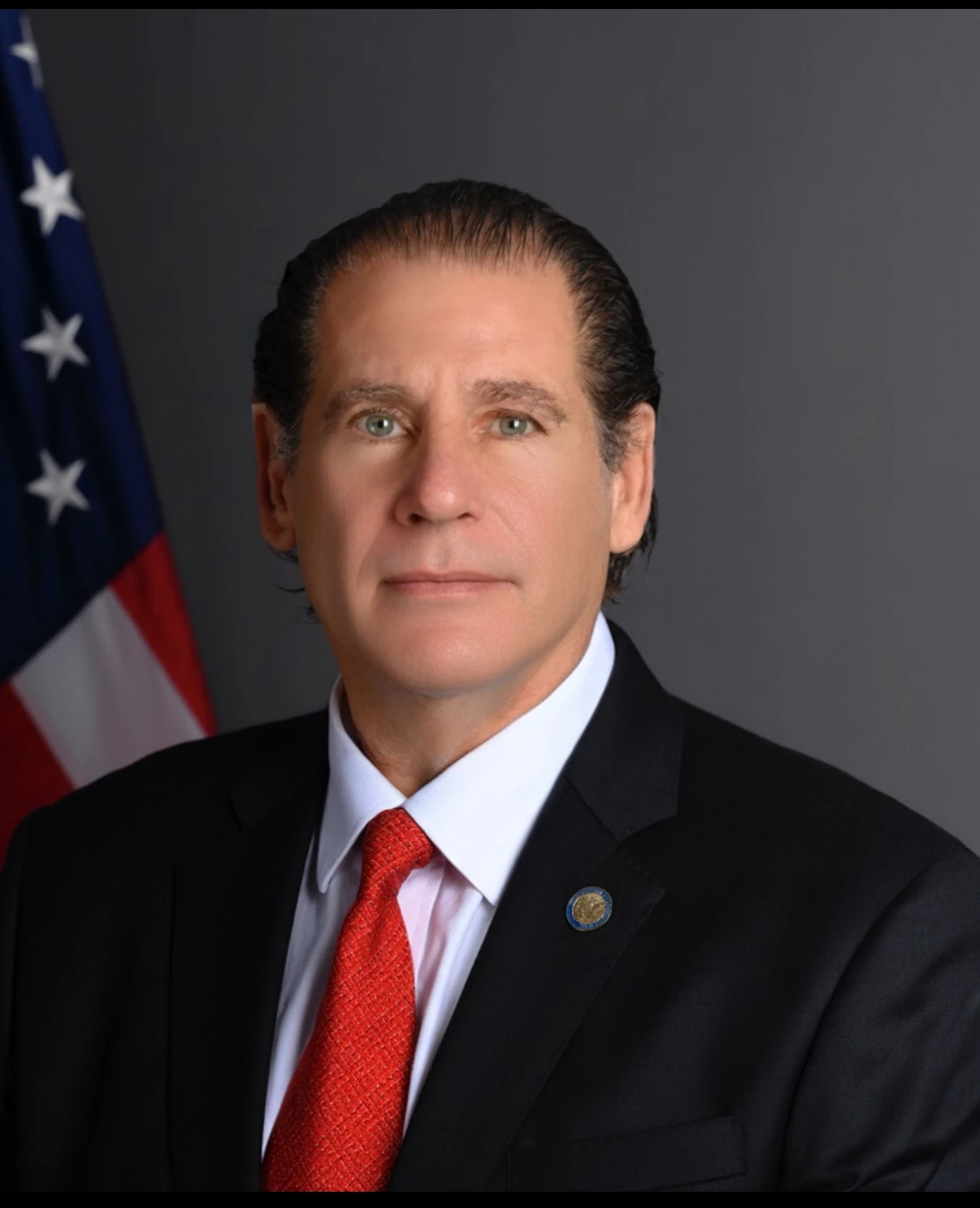
Senior U.S. diplomats have been driven out of the mission to the Organization of American States after clashes with Ambassador Leandro Rizzuto Jr., leaving Washington with fewer experienced hands inside the hemisphere’s most important multilateral forum. The departures or firings included the deputy chief of mission, the chief of staff, a senior political counselor and at least one other foreign service officer, a sharp loss for a post that normally depends on only a small cadre of full-time diplomats.
The personnel rupture matters far beyond Washington. The OAS, founded in 1948 in Bogotá when 21 states adopted its charter, now has 35 member states and serves as the Western Hemisphere’s main multilateral venue for democracy, human rights, security and development. It has repeatedly been used to help manage contested elections and to coordinate condemnation of abuses in authoritarian states such as Cuba and Nicaragua, making steady institutional memory at the U.S. mission a strategic asset rather than a bureaucratic luxury.
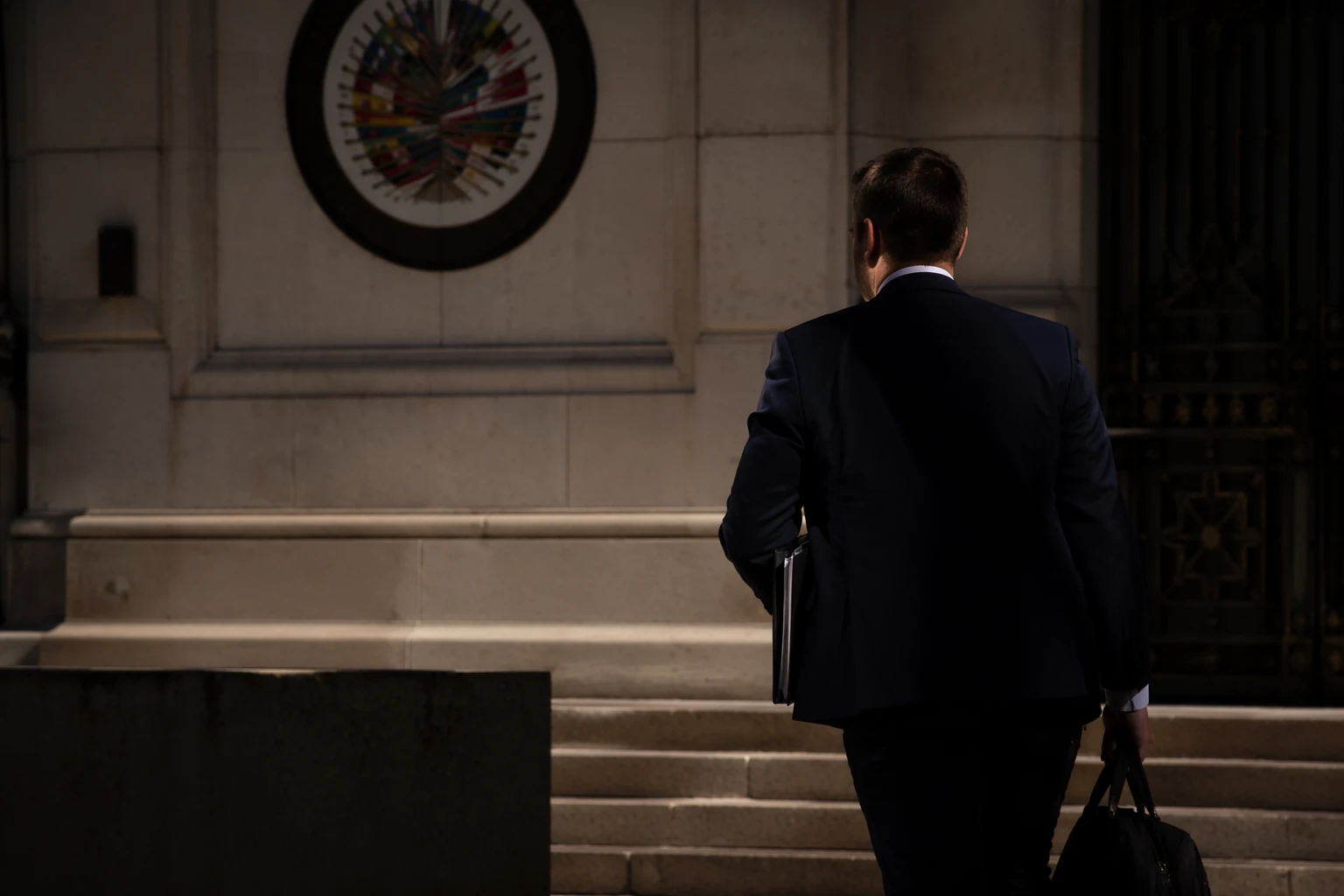
The U.S. mission’s own roster shows how abruptly the staffing structure has shifted. It listed Lidice Calafell as deputy chief of mission and acting interim representative, and JoAnn DeBartolo as chief of staff and acting interim representative, underscoring how much of the senior bench has been reshuffled. For a mission that often works by persuasion, continuity and relationships, losing several veteran officers at once can blunt U.S. influence just as election crises, migration pressure and democratic backsliding continue to test the region.
Rizzuto, who was nominated by President Donald J. Trump in 2024 and sworn in at the White House in October 2025, has become the focal point of a deeper question inside U.S. foreign policy: whether loyalty to the president is overtaking career expertise. The departures fit a wider pattern in which the Trump administration has moved to reshape the diplomatic corps and shown skepticism toward multilateral institutions, even as it says Latin America deserves more attention.
That tension is also visible in the administration’s approach to OAS reform. A State Department report to Congress said the U.S. mission proposed a comprehensive external review in 2023, Alvarez & Marsal was selected, and the final report in August 2024 produced more than 150 recommendations. The State Department has said the United States remains committed to strengthening the OAS and regards it as the hemisphere’s premier multilateral institution, but the loss of seasoned diplomats suggests that influence in the room may be getting harder to exercise at the very moment Washington says it wants it most.
Sources
- [1]usnews.com
- [2]oas.org
- [3]usoas.usmission.gov
- [4]state.gov