Entertainment
Sequel Expands the World of The Handmaid’s Tale
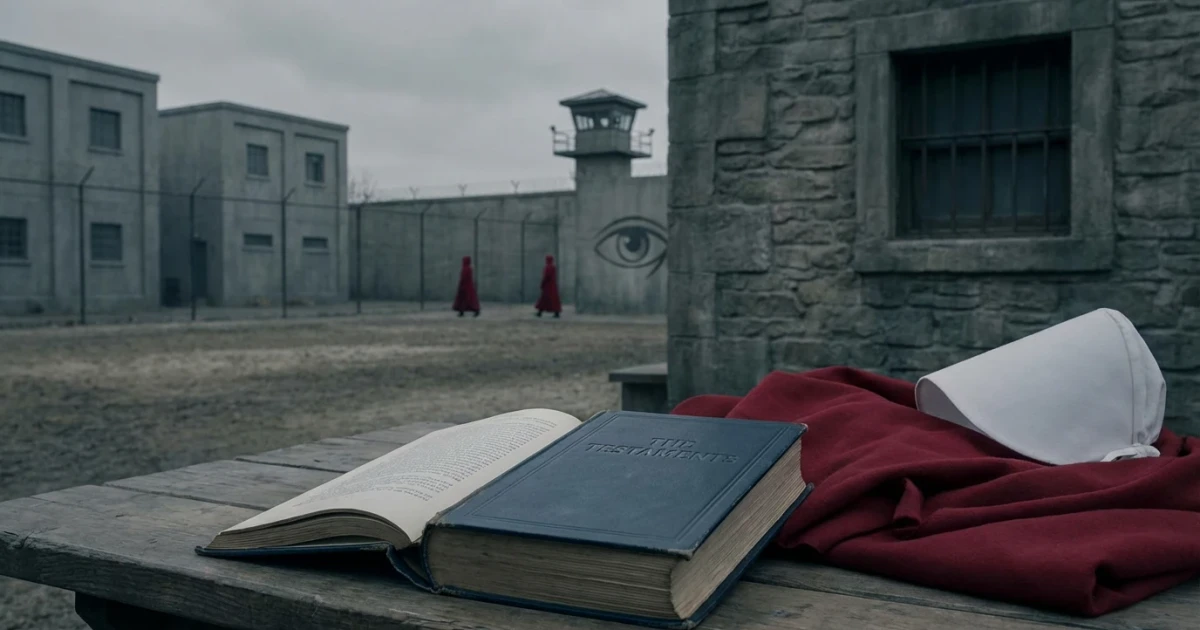
Margaret Atwood’s acclaimed novel The Handmaid’s Tale left readers with haunting questions about the future of Gilead and its survivors. Now, its sequel, The Testaments, offers expanded perspectives, new protagonists, and answers to mysteries that the original never addressed, according to a recent analysis from The Washington Post.
A Return to Gilead’s Dystopia
Published decades after the original, The Testaments revisits the totalitarian regime of Gilead through the eyes of three distinct narrators. While The Handmaid’s Tale focused on Offred’s individual struggle, the sequel broadens the narrative, exploring the inner workings of Gilead’s hierarchy and the resistance efforts both within and outside its borders. The literary analysis of Atwood’s work highlights how this wider scope reflects a more complex view of power and oppression.
New Voices and Perspectives
Where the original novel centered on a single handmaid, The Testaments introduces new voices: Aunt Lydia, a powerful figure within Gilead’s oppressive system; Agnes Jemima, a girl growing up in Gilead; and Daisy, a young woman raised in Canada. Each character provides a unique lens on the regime’s impact, as well as the possibilities for resistance. As The Washington Post notes, this narrative structure allows Atwood to answer questions the initial novel left “forgotten to ask” — not just about the fate of Offred, but about the very mechanisms that sustain or undermine authoritarianism.
- Aunt Lydia’s backstory reveals how complicity and survival intertwine in Gilead’s ruling class.
- Agnes Jemima illustrates the indoctrination of Gilead’s youth, connecting personal growth to systemic oppression.
- Daisy’s journey from Canada uncovers the reach of Gilead’s influence and the networks of resistance abroad.
Answering Unspoken Questions
The sequel is not simply a continuation but also a response to shifting societal concerns. Issues of religious fundamentalism, women’s political participation, and global women’s rights violations have become more visible and urgent in public discourse since the 1980s. As a result, The Testaments engages with themes of agency, complicity, and generational change. Readers learn how Gilead’s rules shape not only women’s lives but also their choices and ambitions.
Societal Parallels and Relevance
According to global statistics aggregated by Statista, women’s rights remain under threat in many regions, echoing the fictional world of Atwood’s novels. The sequel’s focus on female leadership and resistance mirrors real-world movements for equality and justice, underscoring the continuing relevance of Atwood’s vision.
Adaptation and Interpretation
The popularity of The Handmaid’s Tale television series has brought Atwood’s universe to an even larger audience. Showrunners adapting The Testaments have discussed the challenges of translating new characters — like Daisy — and their complex relationships to familiar faces such as June Osborne. As covered in The Washington Post, some fans have debated the show’s choices, but the expansion of the story has been widely praised for adding depth and urgency to Atwood’s cautionary tale.
Looking Forward
By answering old questions and raising new ones, The Testaments ensures that Gilead’s story remains both literary and timely. As societies worldwide continue to debate the boundaries of freedom, justice, and gender equality, Atwood’s sequels provide a powerful framework for reflection and action. Readers interested in exploring the legal context of state-sponsored oppression can read the full text of the Genocide Convention, which frames the atrocities depicted in both novels within international law.
Ultimately, The Testaments serves as both a resolution and a call to vigilance — reminding readers that the questions we ask of power, and the stories we tell about resistance, are as vital now as ever.