World
Serbia and Ukraine pledge closer economic ties amid shifting Europe
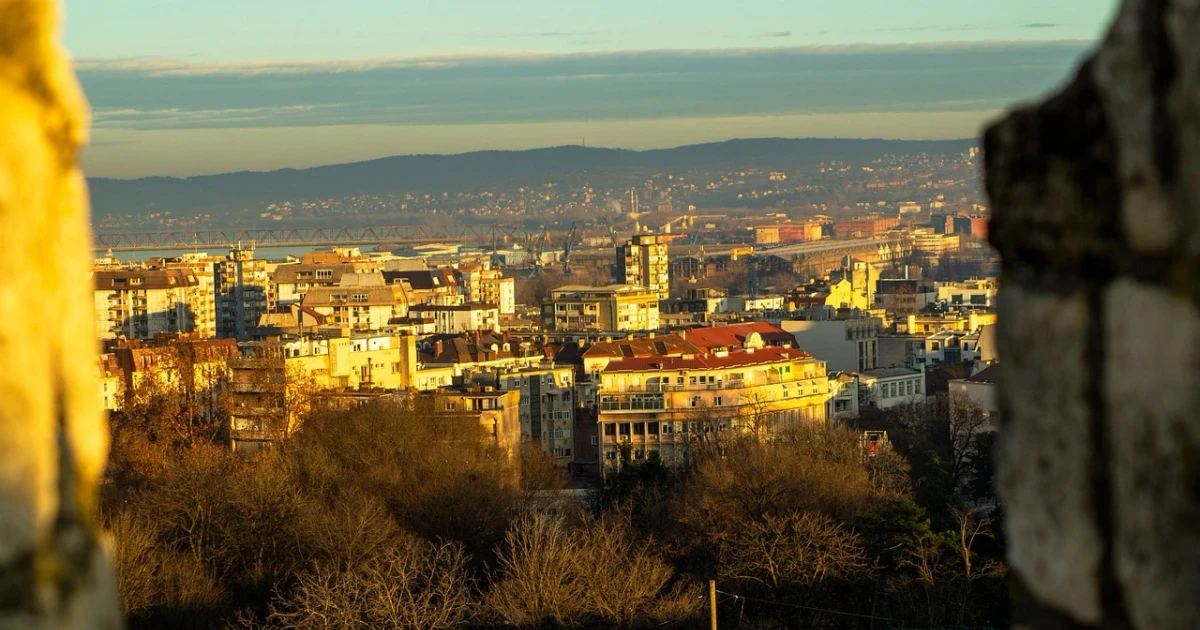
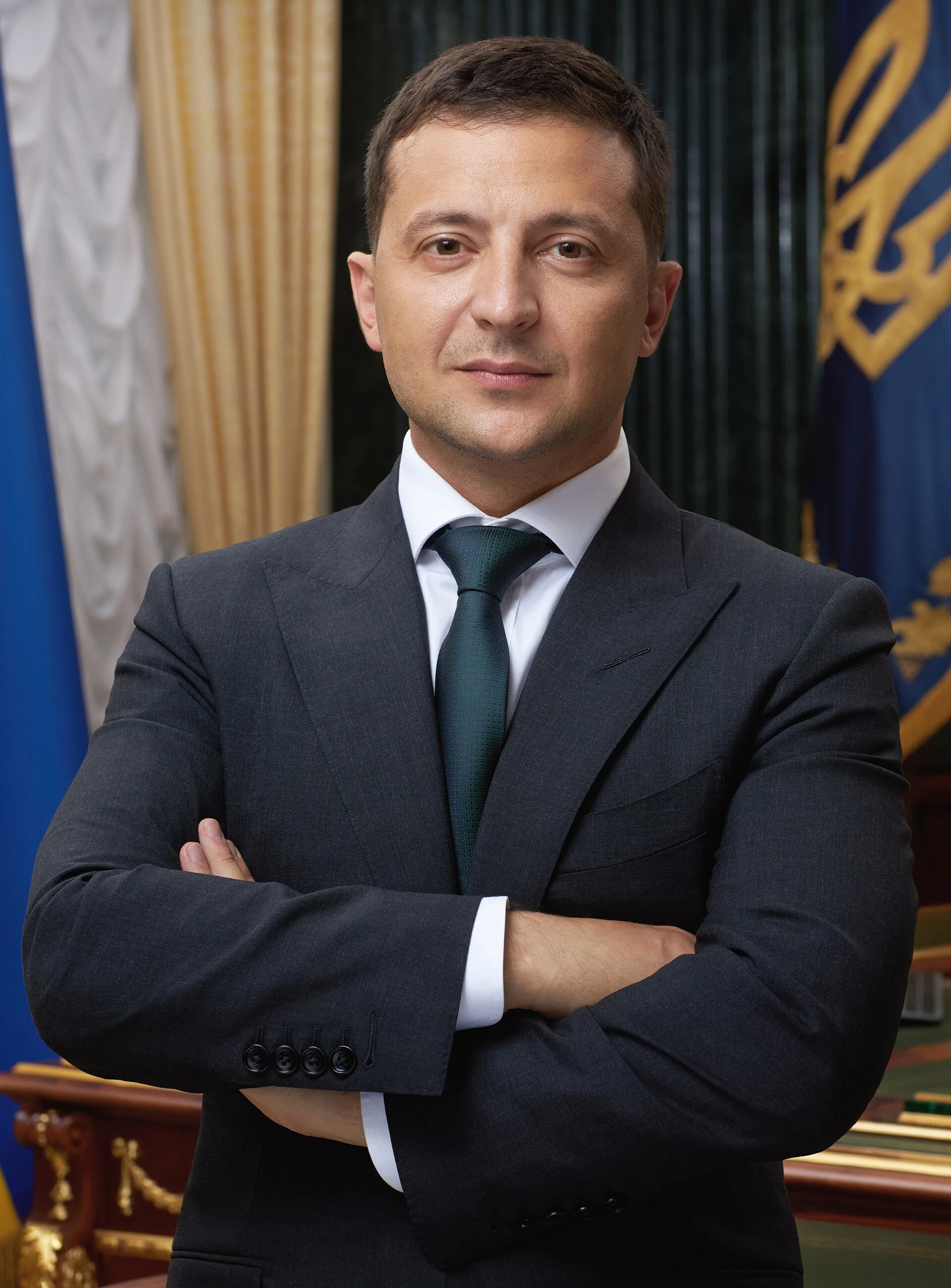
Serbia and Ukraine pledged closer economic ties as Volodymyr Zelenskiy made his first visit to Serbia, a meeting in Belgrade that put trade and European Union ambitions at the center of the agenda. Aleksandar Vučić said Serbia would support Ukraine’s independence and work to improve economic cooperation, but he stopped short of any pledge to join sanctions against Russia.
The timing mattered because the two countries are trying to widen their room to maneuver in a Europe still shaped by war, enlargement politics and pressure from rival blocs. For Ukraine, any new commercial link with a European capital can support reconstruction, logistics, industry and investment as the country absorbs damage from Russia’s invasion. For Serbia, closer ties with Kyiv offer another way to show flexibility between Brussels and Moscow without abandoning its long-standing balancing act.
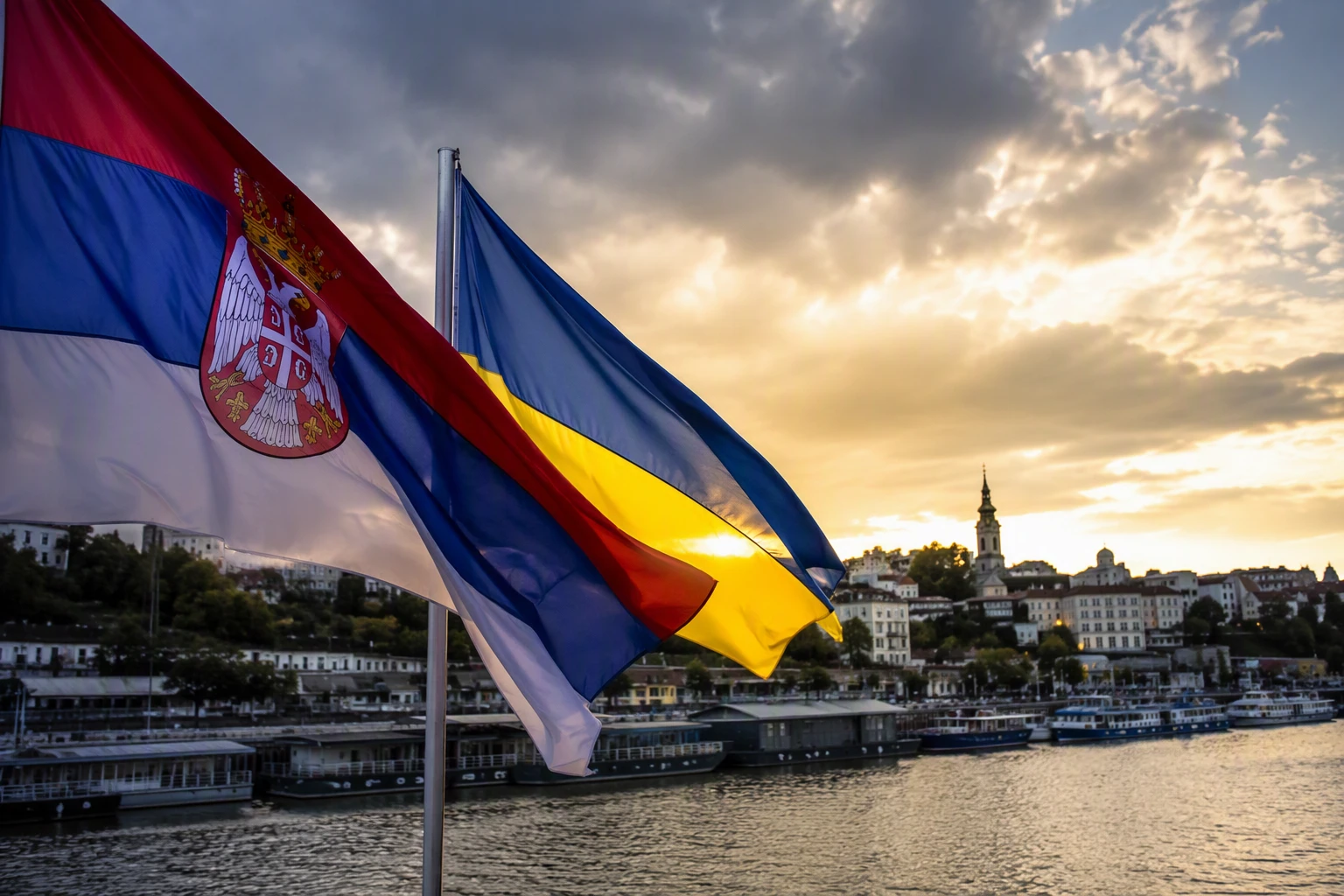
Serbia’s foreign ministry says diplomatic relations between the Republic of Serbia and Ukraine were established on 15 April 1994 and that bilateral ties are traditionally good and friendly. The ministry also notes that former Ukrainian president Petro Poroshenko visited Belgrade on 2-3 July 2018, meeting Vučić as well as Ivica Dačić and Pavlo Klimkin, a reminder that the relationship has had intermittent political contact even when the wider regional climate was tense.
Zelenskiy’s visit was his first to Serbia, and the talks were expected to focus on economic cooperation and both countries’ aspirations to join the European Union. That pairing is revealing: Kyiv is seeking more partners for postwar recovery, while Belgrade is trying to keep its European path open without rupturing ties with Moscow, a position that has drawn close scrutiny since Russia’s full-scale invasion of Ukraine.
The latest meeting followed a Reuters item on July 15 that said Serbia had pledged aid to Ukraine but ducked calls for more pressure on Russia. European Western Balkans also said ahead of Zelenskiy’s trip that Serbian authorities had refused to join sanctions against Russia. Taken together, the steps show Belgrade using economic diplomacy to stay engaged with Kyiv while preserving its own strategic flexibility in a divided Europe.
Sources
- [1]reuters.com
- [2]europeanwesternbalkans.com
- [3]mfa.gov.rs
- [4]ground.news