World
Serbian court again convicts parents of school shooter in Belgrade attack
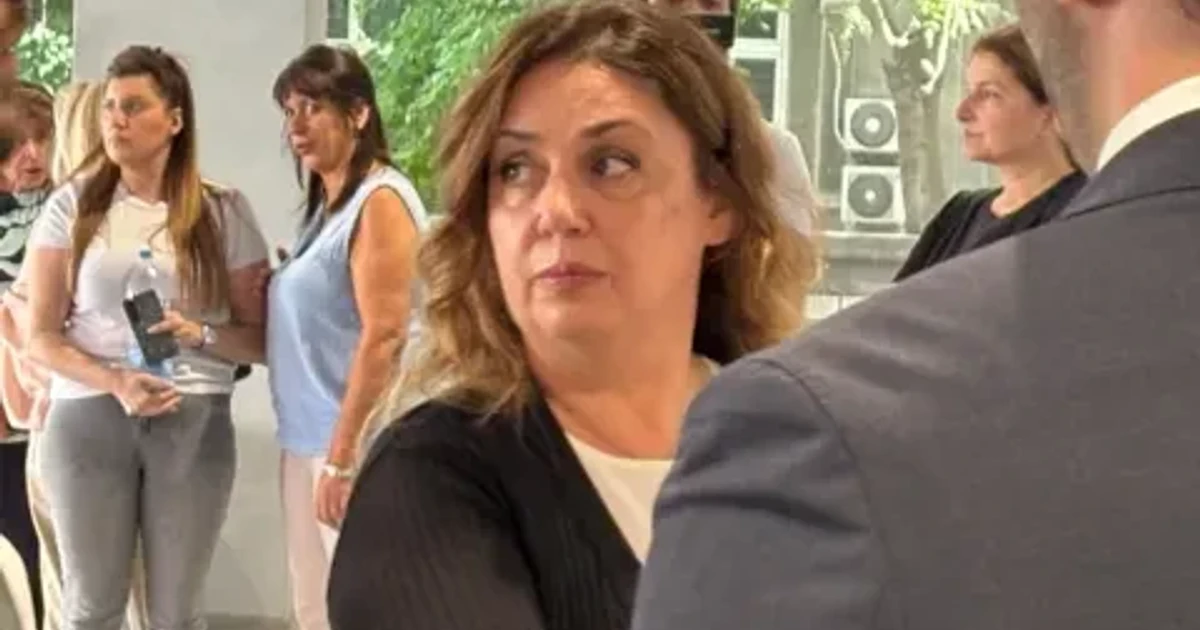
A Belgrade court again convicted the parents of the boy who carried out the deadly attack at Vladislav Ribnikar Primary School, reopening one of Serbia’s most painful debates: where a parent’s legal duty ends when a child turns firearms into mass violence. The retrial left Vladimir Kecmanović facing 14 years and 6 months in prison and Miljana Kecmanović facing 2 years and 11 months, after judges found they had failed to protect their son and, in the father’s case, had stored guns in a way that made them accessible.
The shooting on May 3, 2023, in the Vračar district of central Belgrade killed nine children and a school guard, and wounded five students and a teacher. One injured girl later died, raising the death toll to 10. Under Serbian law, the boy was 13 at the time and cannot be criminally prosecuted; he is being held in a psychiatric hospital for minors. Prosecutors said his parents did not provide adequate psychological support and that his father failed to secure the handguns properly, allowing the child access.
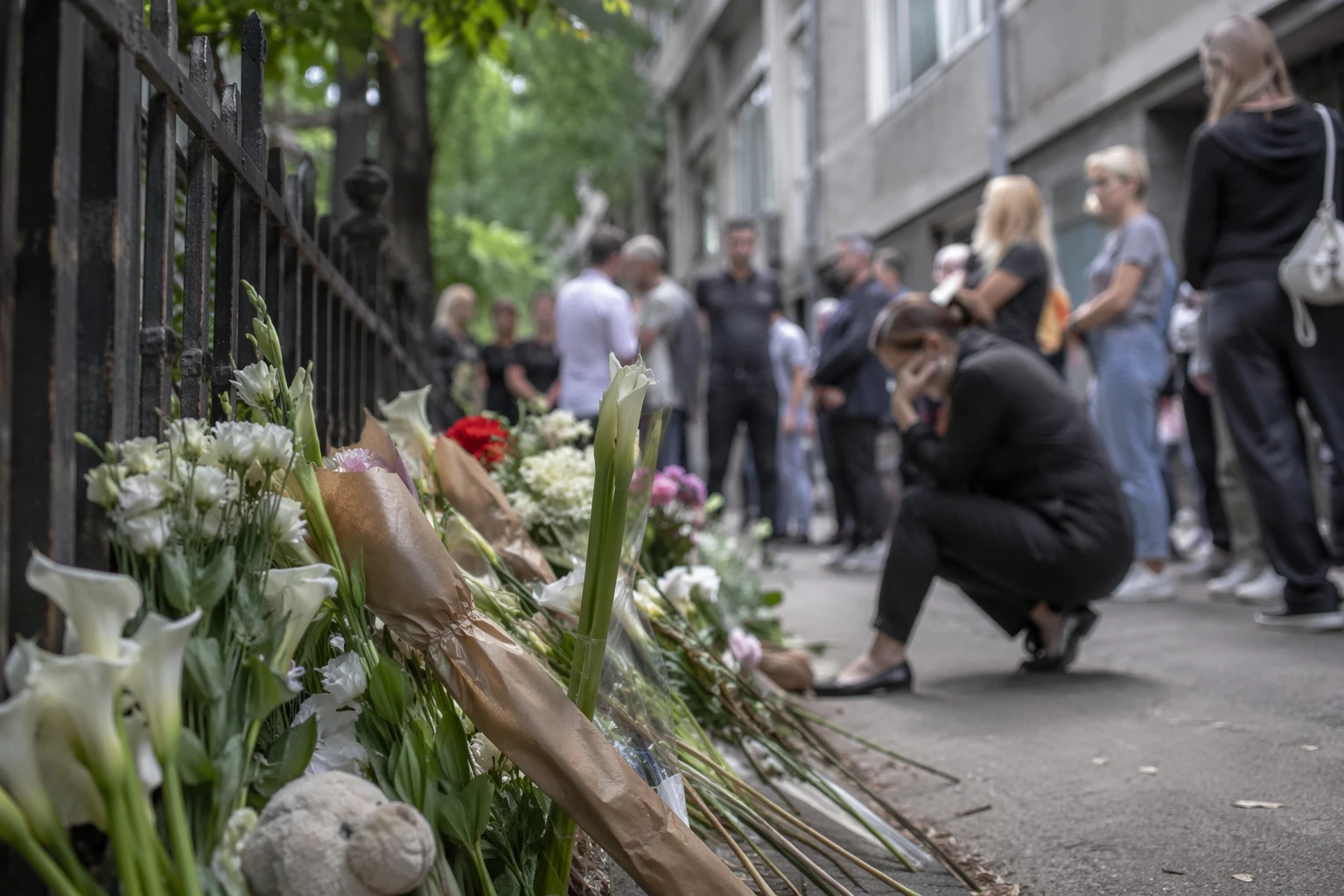
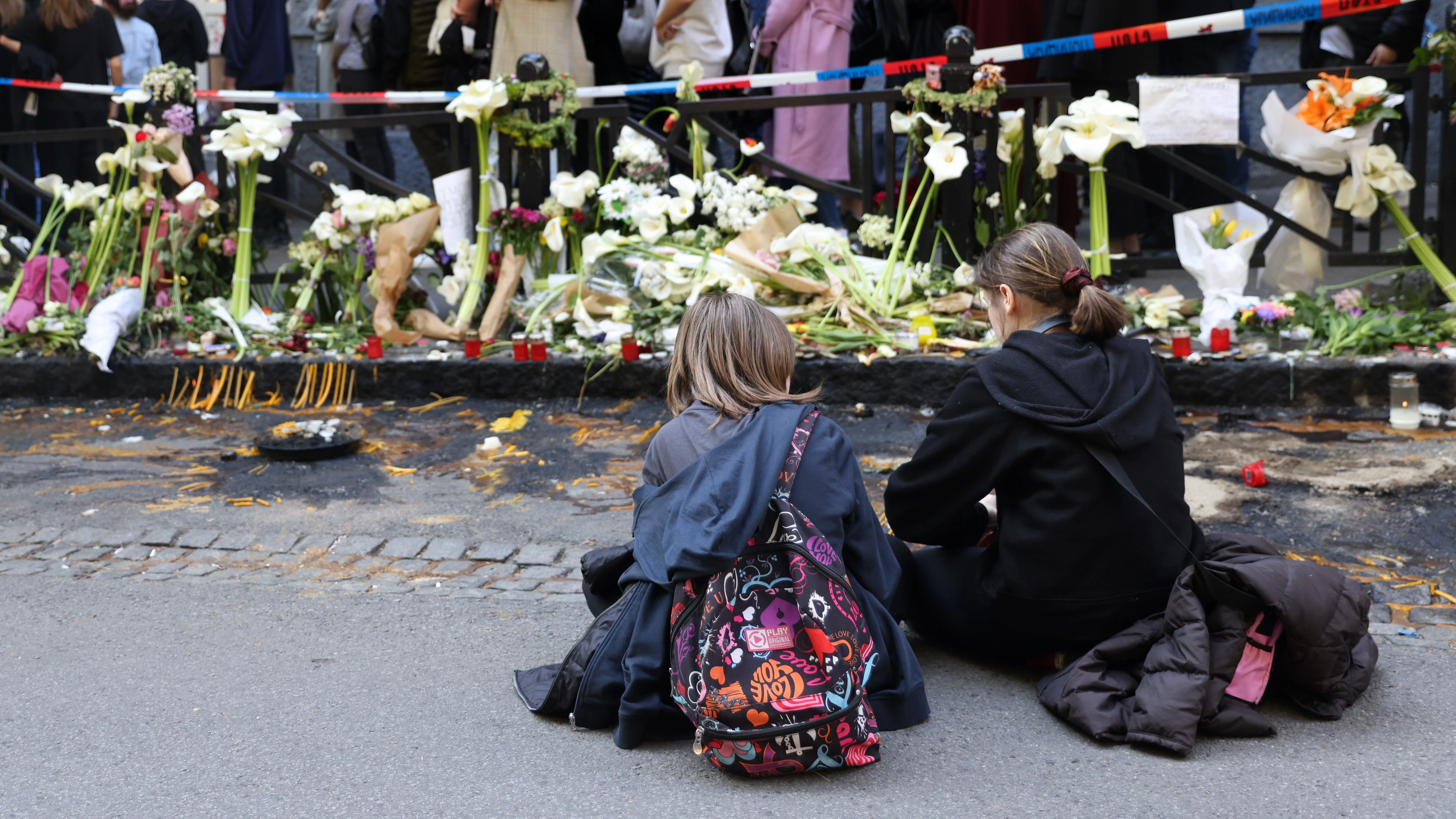
The retrial followed an earlier verdict that the Belgrade Court of Appeals threw out because of procedural breaches. In the first-instance ruling in December 2024, Vladimir Kecmanović received 14 years and 6 months and Miljana Kecmanović three years. At the June 18 retrial, the court imposed the same term on the father and reduced the mother’s sentence slightly. Chief public prosecutor Nenad Stefanović had asked for the maximum penalties of 14 years and 11 months for the father and three years for the mother, while the defence argued the charges had not been proven.

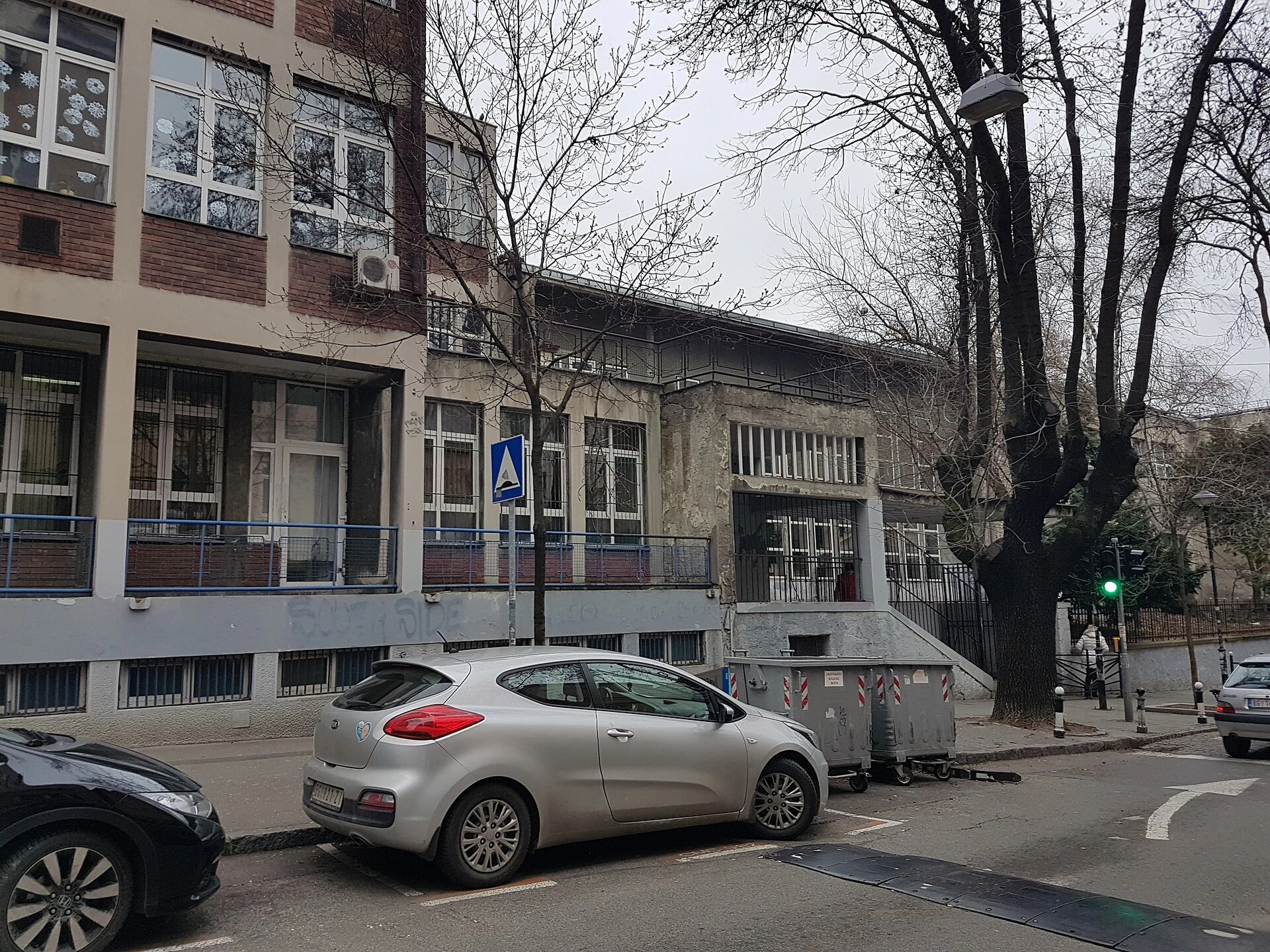
The case has carried force far beyond one family. Serbia is a country where mass shootings are rare, yet gun ownership is widespread and many weapons remain unaccounted for after the Balkan wars of the 1990s. The attack prompted a broader policy response from President Aleksandar Vučić’s government, including a moratorium on new gun licences except for hunting, reviews of existing permits, and tighter oversight of shooting ranges and weapon storage. For many Serbian families, the retrial was not only about punishment, but about whether warning signs, gun access and parental responsibility can be enforced before another classroom becomes a crime scene.
Sources
- [1]bbc.com
- [2]usnews.com
- [3]balkaninsight.com
- [4]sbs.com.au
- [5]srpske.rs
- [6]telegraf.rs