Sports
Serena Williams returns to Wimbledon 2026 as Sinner and Djokovic lead draw
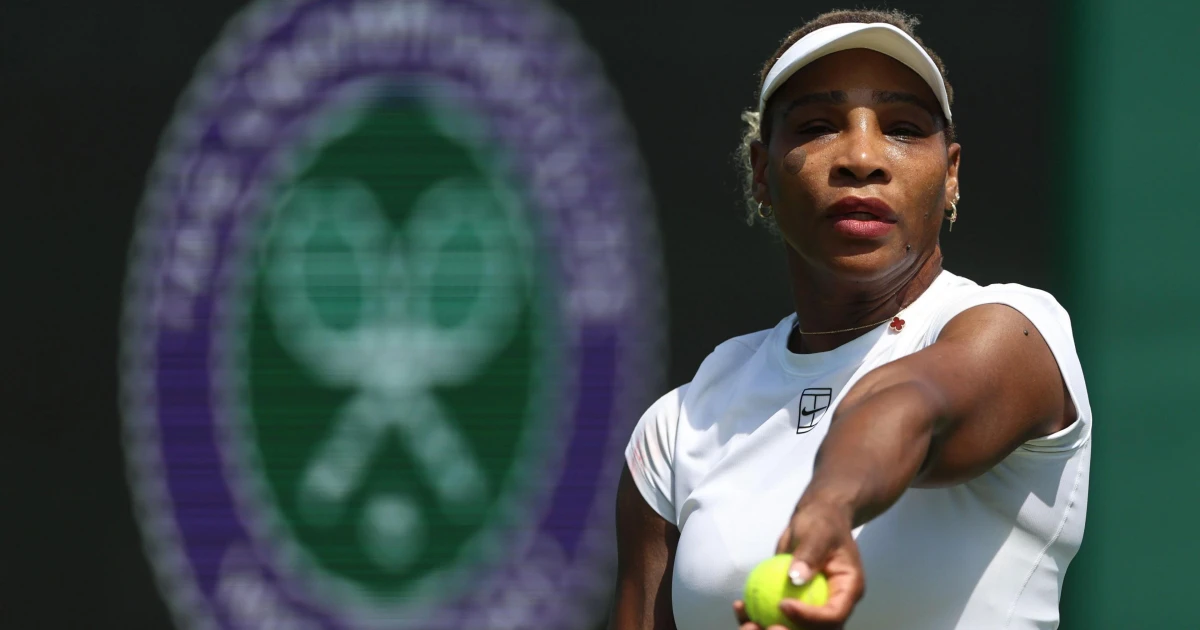
Serena Williams is back in Wimbledon’s singles draw, and the tournament’s biggest pull once again rests on names the sport already knows. Jannik Sinner and Novak Djokovic anchor the men’s side, while the women’s draw offers the possibility of a Serena-Iga Swiatek clash that could define the early rounds. With record prize money, a 14-day schedule, and a field shaped by familiar champions, Wimbledon 2026 is being sold as both a celebration of the present and a test of what tennis looks like when legacy still drives attention.
A draw built around recognizable names
The Championships 2026 run from Monday 29 June through Sunday 12 July at the All England Lawn Tennis Club in Wimbledon, London, and they arrive as the third Grand Slam of the tennis season. The singles draw was released on Friday 26 June, giving the event an immediate headline: Serena Williams in the ladies’ singles main draw as a wild card, Jannik Sinner defending his men’s title, and Novak Djokovic placed in Sinner’s half. It is a bracket that leans heavily on status, proving that Wimbledon still knows how to use star power to frame its biggest fortnight.
That matters because the tournament’s appeal has always lived in the tension between history and renewal. Wimbledon’s 2025 Championships ended as the 138th edition, and the event set records for attendance and social media engagement, a reminder that the sport’s oldest stage still depends on stories that can cut through beyond the baseline. In 2026, those stories are carrying the draw.
Serena Williams returns to the centre of the sport
Williams enters the ladies’ singles after receiving a wild card, a decision that gives the tournament an immediate emotional and commercial spark. Wimbledon says the 23-time Grand Slam champion last played a competitive singles match at the 2022 US Open, and that she is now 44. She has also said she wants her daughters, Olympia Ohanian and Adira River Ohanian, to see her compete, a detail that gives her return a family dimension as well as a sporting one.
Her presence is the most vivid example of how Wimbledon still leans on icons to generate urgency. Williams is not just another entrant in the draw; she is a former era returning to a venue that has long measured greatness in moments as much as trophies. Her doubles wild card with Venus Williams only heightens that effect, adding another layer of familiarity to a tournament that is trying to stretch into its next chapter without losing the audience its legends built.
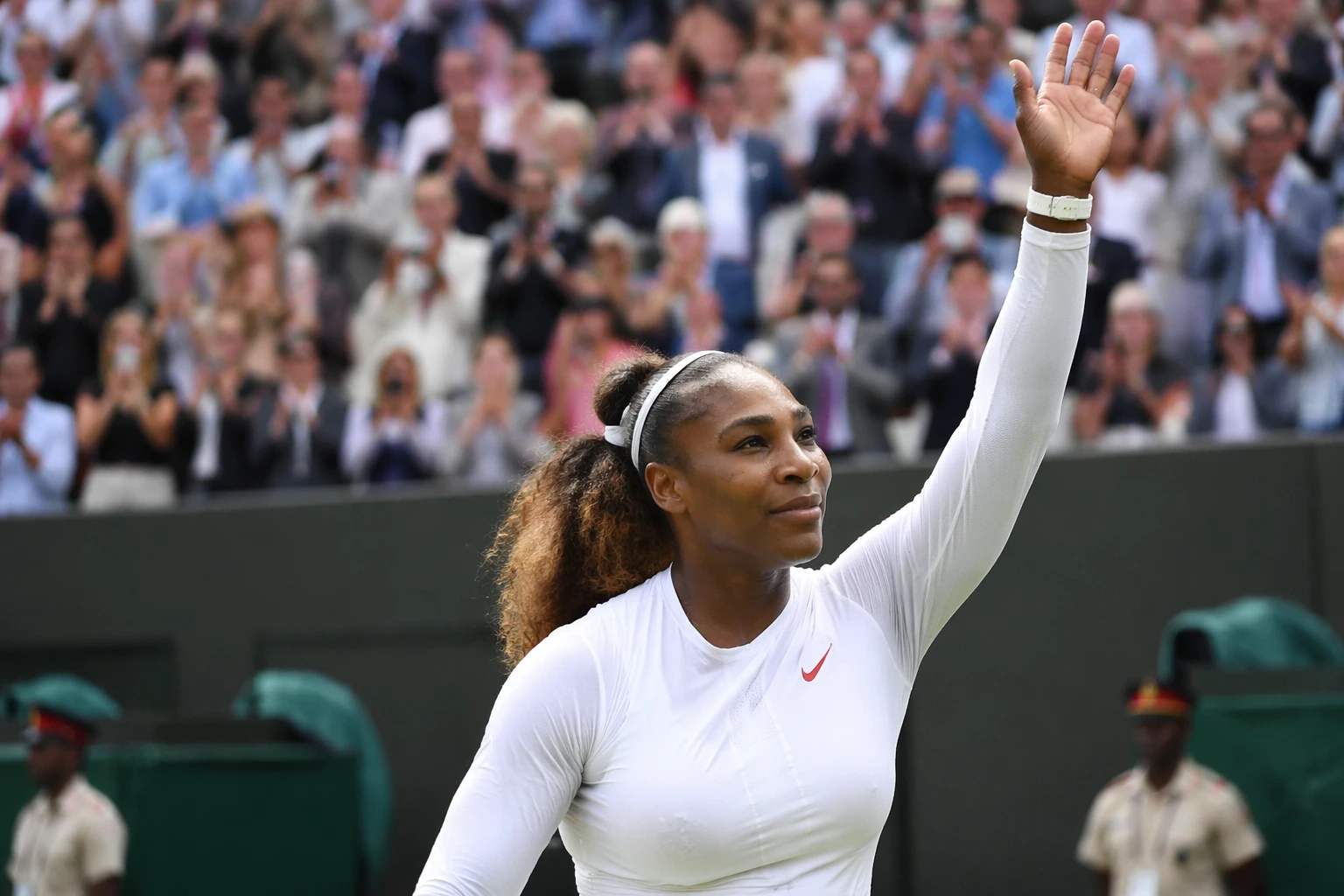
The women’s draw preview makes the stakes plain: Iga Swiatek could meet Williams in the third round. That possible meeting gives the bracket a clean generational axis, with one of the game’s leading current players potentially crossing paths with one of its defining champions. Wimbledon does not need to force that storyline; the draw has already done the work.
Sinner and Djokovic still set the men’s conversation
On the men’s side, Sinner arrives as the defending gentlemen’s singles champion and the world No. 1 after winning Wimbledon for the first time in 2025. His title run last year made him the face of the tournament’s present tense, yet the 2026 draw shows how often that present is still framed through older gravity. Wimbledon’s own preview says Sinner learned his opponents with Djokovic in the same half of the draw, which immediately raises the possibility of another meeting between the sport’s new ruler and one of its most durable figures.
Djokovic remains a seven-time Wimbledon champion, and he is chasing a record-extending 25th Grand Slam singles title. That chase gives the men’s event a storyline that is both historic and unresolved: the modern power structure of tennis still runs through a player whose major tally keeps expanding the record book. If the tournament wants a clean transition narrative, Djokovic keeps complicating it by staying central.
That is where Wimbledon 2026 becomes especially revealing. The draw does not present a clean handoff from one generation to the next. Instead, it stages a tournament in which the new standard-bearer, Sinner, sits beside the old benchmark, Djokovic, while Williams returns to remind the sport how much attention one name can still command. Men’s tennis, in particular, looks less like a completed succession and more like a sport still negotiating who truly owns the main stage.
The money underscores the scale
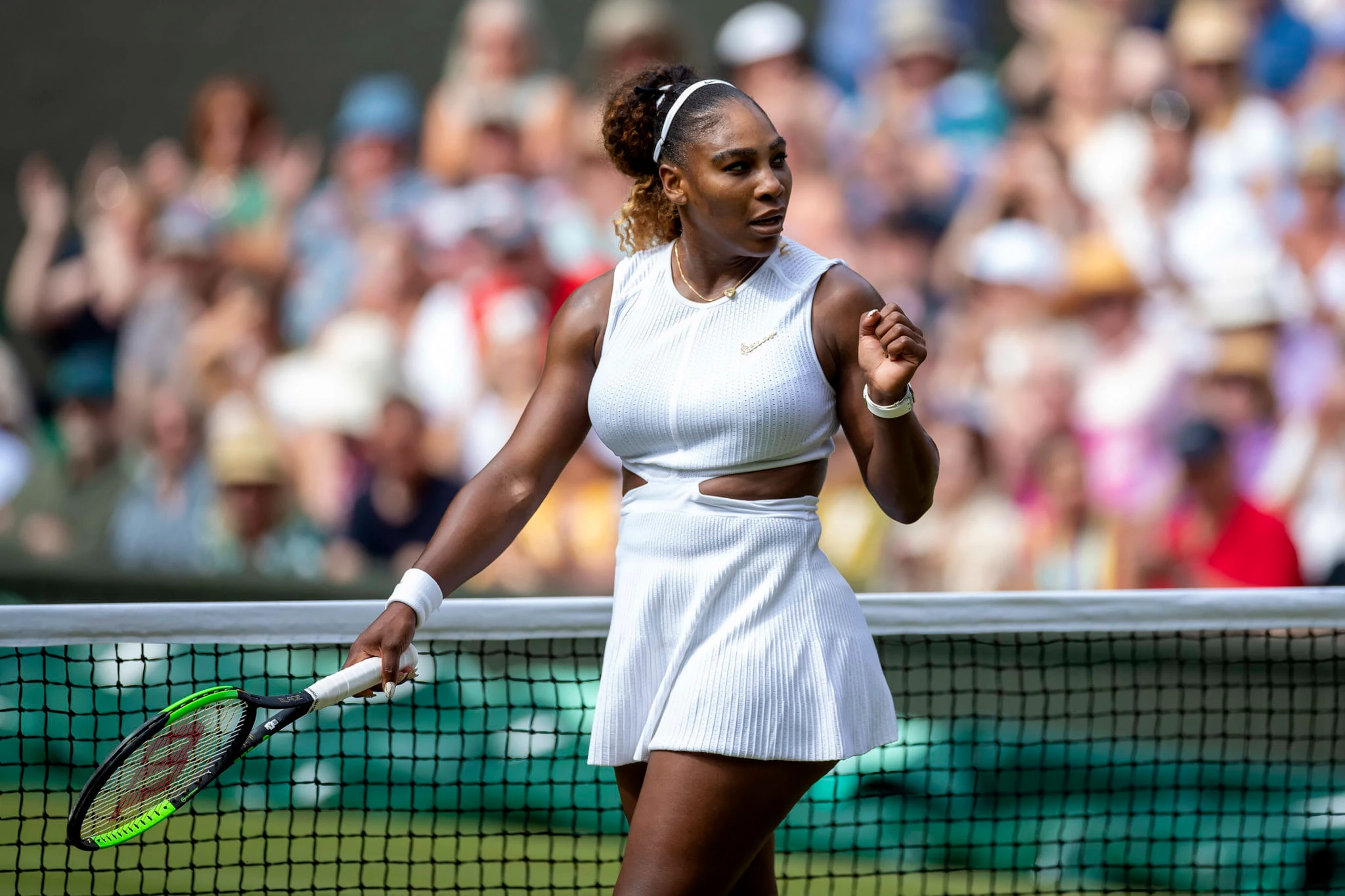
The prize fund gives the tournament another sign of its scale. Wimbledon’s official prize money total for 2026 is £64.2 million, with the ladies’ and gentlemen’s singles champions each set to receive £3.6 million. The All England Lawn Tennis Club says that total represents a 20 percent increase from £53.5 million last year, a sizeable jump that matches the event’s ambition to keep its status at the top of the sport.
Money alone does not explain Wimbledon’s hold on the public, but it does show how much the tournament’s prestige remains tied to its marquee players. The larger the prize pool, the more the event can justify the gravitational pull of its biggest names, especially in a season where legacy figures still shape the conversation. That dynamic is not accidental; it is part of how Wimbledon sustains itself as both tradition and entertainment.
Why the legacy still matters
Wimbledon’s history makes this year's framing feel almost inevitable. The inaugural Championships were held in 1877, when 22 men entered and 200 spectators watched Spencer Gore become the first champion. Ladies’ singles was added in 1884, a milestone that expanded the event’s identity and helped turn it into the global stage it is now.
That long arc gives the 2026 edition its current meaning. The tournament can showcase Sinner’s rise, Djokovic’s chase, and Williams’ return precisely because the venue has spent nearly 150 years turning individual players into symbols larger than a single match. Wimbledon 2026 is not just a draw with famous names. It is a reminder that, even in a sport eager for its next era, the strongest pull still belongs to the figures who taught tennis how to matter in the first place.
Sources
- [1]bbc.co.uk
- [2]wimbledon.com