Health
Serotonin linked to faster progression of mitral valve disease

In a 2023 Science Translational Medicine paper, scientists at Columbia University and partner institutions linked SSRI use and a specific genetic variant to faster valve damage in patients already diagnosed with degenerative mitral regurgitation, one of the most common heart valve diseases.
Degenerative mitral regurgitation develops when the mitral valve, which sits between the heart’s left atrium and left ventricle, no longer closes tightly and allows blood to leak backward. Severe degeneration still requires surgery to repair or replace the valve, because medications may ease symptoms but do not fix the structural problem. As the disease worsens, patients can develop fatigue, shortness of breath, atrial fibrillation and congestive heart failure.

It analyzed data from more than 9,000 patients who had undergone valve repair or replacement surgery for degenerative mitral regurgitation. Among those patients, SSRI use was associated with surgery at a younger age. In the mechanistic arm of the work, researchers examined 122 human mitral valve samples and found that reduced serotonin transporter activity in mitral valve interstitial cells was tied to more serotonin signaling and a stronger fibrotic response.
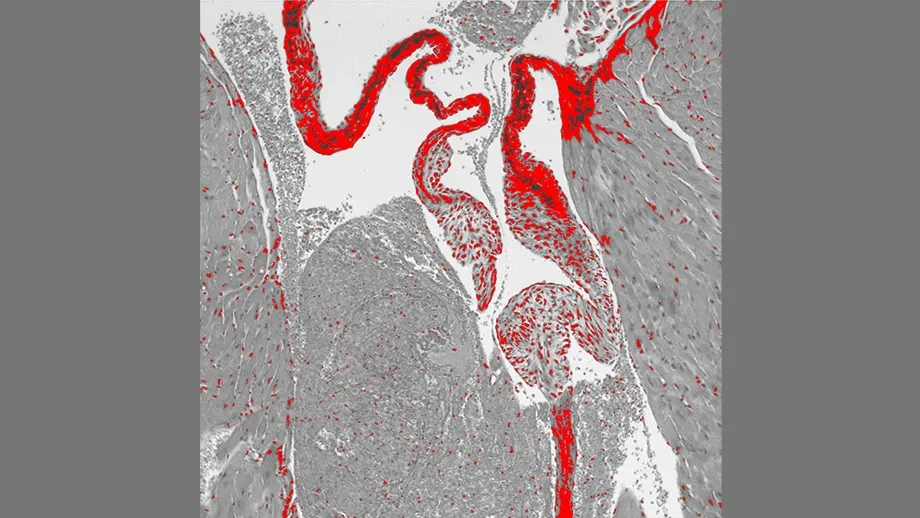
That cellular signal was especially notable in people with the 5-HTTLPR LL genotype, which was associated with lower membrane localization of the serotonin transporter. In the presence of serotonin, silencing the transporter increased expression of TGF1 and COL1A1, two markers linked to tissue remodeling and collagen buildup. In mouse experiments, fluoxetine treatment or serotonin transporter knockdown led to thickened mitral valve leaflets. The study also found that blocking HTR2B eased some of the serotonin-related collagen effects.

Giovanni Ferrari and Robert J. Levy co-led the work for Columbia University’s Department of Surgery with collaborators at the Pediatric Heart Valve Center at Children’s Hospital of Philadelphia, the University of Pennsylvania and The Valley Hospital Heart Institute. The project was supported by the National Heart, Lung, and Blood Institute.

Carcinoid tumors that secrete serotonin and the withdrawn diet-drug combination Fen-Phen linked the neurotransmitter to valve disease decades ago; the U.S. Food and Drug Administration pulled Fen-Phen from the market after it was linked to valve disease.
Sources
- [1]sciencedaily.com
- [2]science.org
- [3]columbiasurgery.org
- [4]chop.edu
- [5]nyp.org
- [6]research.chop.edu