Entertainment
Set-jetting turns TV and movie locations into travel boom
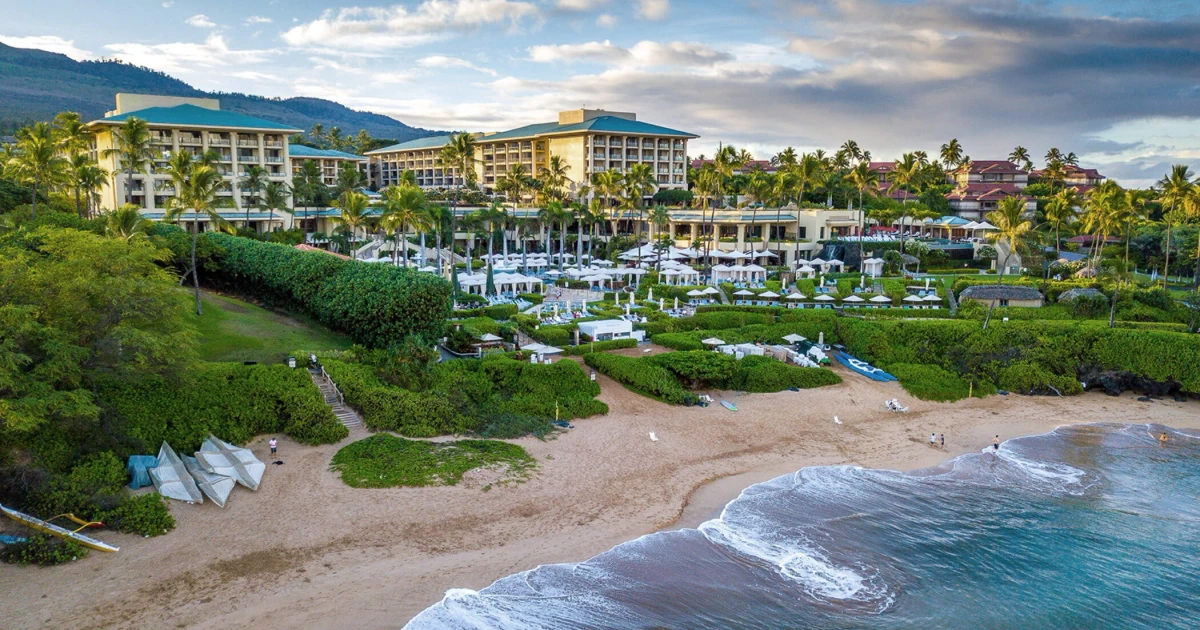
The White Lotus turned Four Seasons resorts in Maui and Taormina, Sicily, into places that were, in Misty Belles’ words, “nigh un-bookable.” That kind of demand shock has pushed set-jetting from niche behavior into a force shaping where Americans travel, what they pay, and how hotels sell themselves.
Expedia said it first spotted the trend in 2022, after searches spiked for destinations featured in streaming shows. By 2025, Expedia said 66% of travelers reported that places they saw in movies or on TV had influenced their trips. In October 2025, the company projected that set-jetting could become an $8.45 billion U.S. travel market, based on survey data showing 13% of U.S. travelers had booked a trip after seeing a location on-screen. Of those travelers, 25% said they spent between $1,000 and $2,000 on the trip.
The spending is now being shaped by the screen itself. Expedia’s 2026 forecast said 81% of Gen Z and Millennial travelers now plan holidays around locations featured in film and television, while 53% of global travelers reported more interest in screen-inspired getaways. That shift has made the economics of travel planning more volatile: a location tied to a hit series can move from a hard sell to a must-book property in a matter of weeks.
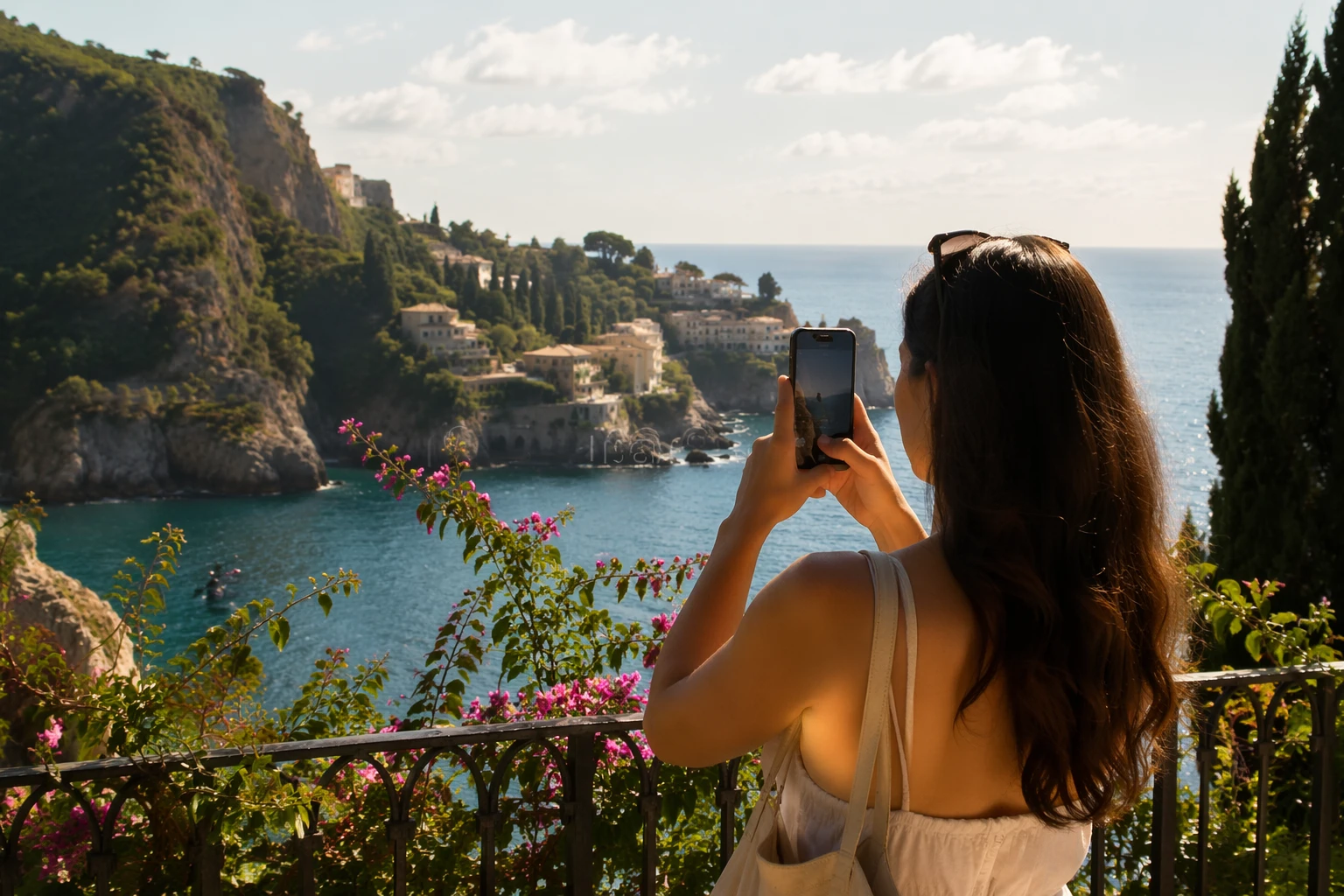
Henley Vazquez, co-founder of the travel agency Fora, said English estate hotels such as Heckfield Place in Hampshire became much easier to sell because they fit the “Bridgerton” aesthetic. Belles said the reverse has happened at the luxury end, where the visibility created by prestige television can overwhelm supply. When one series reroutes demand toward a handful of resorts, inventory tightens fast and prices tend to follow.
The beneficiaries are increasingly named in advance. Expedia’s 2026 forecast highlighted Yorkshire, Tuscany, Samoa, Croatia, Greece, Los Angeles, Wellington and the Philippines as places likely to ride the next wave of screen-driven tourism. That puts destinations and hotels in a race to market themselves around what viewers are watching, while also testing whether local infrastructure, room counts and transportation can absorb travelers who are choosing vacations the moment a scene goes viral.
Sources
- [1]cbsnews.com
- [2]expedia.com
- [3]robbreport.com