Technology
Seth MacFarlane Defends AI Use in ‘Ted’ Amid Hollywood Debate
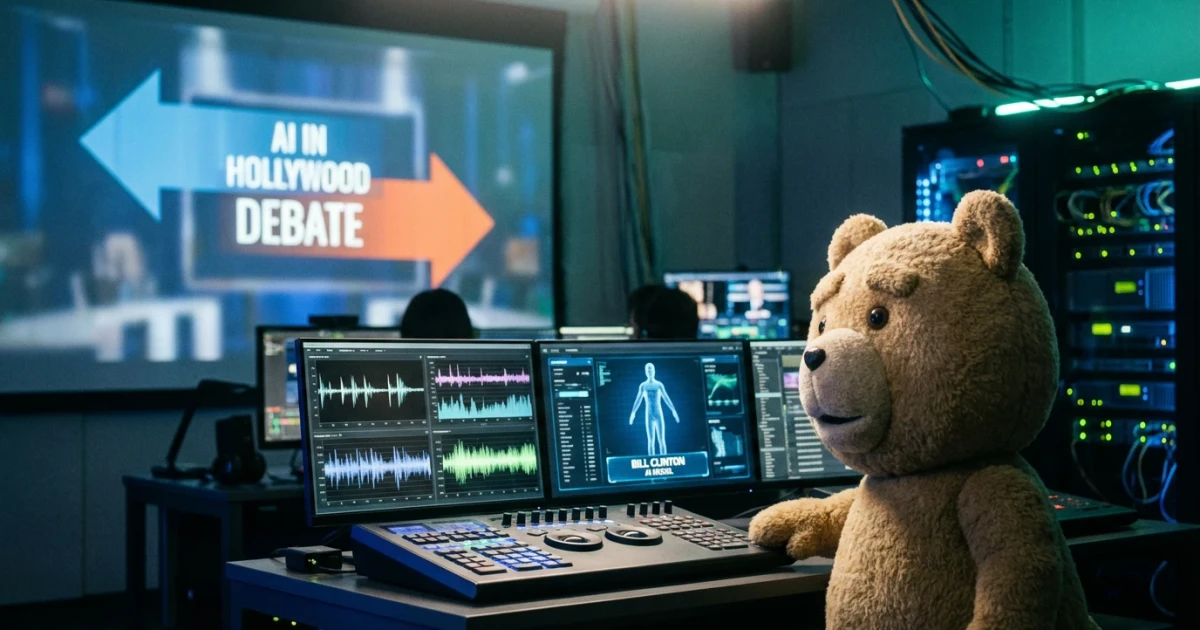
Seth MacFarlane, creator and star of the ‘Ted’ franchise, is addressing Hollywood’s heated debate over the use of artificial intelligence (AI) after deploying the technology to digitally transform himself into Bill Clinton for the latest season of the ‘Ted’ TV series. This development comes as industry stakeholders grapple with the implications of AI for creative control, copyright, and actor rights.
AI’s Expanding Role in Hollywood Productions
The entertainment industry has witnessed a surge in AI-powered tools, from deepfake technology that enables digital likenesses to AI-assisted scriptwriting and visual effects. According to recent industry statistics, nearly one in four U.S. film and TV producers have adopted some form of AI, with usage expected to rise sharply in the coming years. This trend has sparked both enthusiasm for creative possibilities and concern about the future of human talent in Hollywood.
MacFarlane’s decision to use AI for a Clinton transformation in ‘Ted’ highlights the technology’s ability to create convincing digital performances. While some see this as a playful homage or an innovative storytelling tool, others worry about the ramifications for authenticity and intellectual property.
Industry Concerns and Actor Protections
As AI becomes more prevalent, Hollywood unions and advocacy groups have called for stronger contract protections to safeguard actors’ likenesses and voices. The SAG-AFTRA union, for example, has negotiated specific language in contracts to address digital replication, requiring consent and compensation for the use of an actor’s image or performance generated by AI.
- AI-generated content raises questions about creative ownership and fair use.
- Actors and writers are seeking transparency and the right to opt out of digital reproduction.
- Studios argue that AI can cut costs and accelerate production without sacrificing quality.
Seth MacFarlane’s Perspective
Amid these debates, MacFarlane has defended his use of AI in ‘Ted’, arguing that, when used responsibly, the technology can enhance storytelling without undermining creative integrity. By digitally embodying Bill Clinton, MacFarlane demonstrates how AI can expand the range of performances, allowing actors to take on roles that would be challenging or impossible otherwise.
While some in Hollywood view this as a sign of progress, others remain cautious, urging the industry to balance innovation with ethical considerations. Analysts at the World Intellectual Property Organization note that the rapid adoption of AI in entertainment necessitates updated copyright frameworks and clear guidelines for attribution and compensation.
Public and Industry Debate Continues
Public opinion on AI in entertainment is divided. Research by the Pew Research Center finds that audiences are simultaneously intrigued by the possibilities of AI-driven content and wary of its impact on the authenticity of film and television. Meanwhile, the Federal Communications Commission and other regulatory bodies are examining how to ensure transparency and accountability as AI tools become more common in media production.
Looking Ahead
As the use of AI accelerates, industry leaders, creators, and unions will need to navigate a complex landscape of technological change and ethical questions. Seth MacFarlane’s AI-driven transformation in ‘Ted’ is just one example of how Hollywood is experimenting with new tools, but it also reflects the broader tensions shaping the future of entertainment.
The outcome of these debates—balancing creative innovation with fair protections—will likely shape how audiences experience film and television for years to come.