Entertainment
Seth Rogen's quiet marriage and Alzheimer's advocacy shape public image

Seth Rogen’s most revealing career move is not a punch line or a red-carpet moment. It is the way he has turned fame into control, building a career that now runs through writing, directing, producing, ownership, and a public identity anchored as much in caregiving as in comedy. At 44, he looks less like a star in flux than an entertainer who has locked in a durable kind of Hollywood power.
A career built around control
The clearest proof is The Studio, the Apple TV+ Hollywood satire that Rogen created, writes, stars in, directs and produces. The series won 13 Emmys at the 2025 Primetime Emmy Awards, including Outstanding Comedy Series, Outstanding Lead Actor in a Comedy Series for Rogen, Outstanding Writing for a Comedy Series, and Outstanding Directing for a Comedy Series. That kind of sweep matters because it shows more than popularity. It shows that Rogen is no longer just performing in someone else’s machine, he is helping build the machine itself.
By June 13, 2026, The Studio was already filming its second season, which signals that the show is not a one-off prestige spike. It is a continuing asset, one that keeps Rogen’s creative voice in circulation while deepening his leverage as a producer and showrunner-like force. In modern Hollywood, that kind of durable control often matters more than a fleeting hit, because it turns a performer’s image into a repeatable business platform.

The quiet marriage behind the public image
Rogen’s personal life also plays against the usual celebrity script. He and Lauren Miller Rogen have been married since 2011 and have been together since the mid-2000s, but their relationship is often described as deliberately low-key in public. That matters in a culture that rewards oversharing, because restraint can read as stability, and stability is one of the few luxuries that still signals real power in entertainment.
Lauren Miller Rogen is not a passive figure in that story. She is a writer, director and actor, which makes the partnership feel less like a supporting narrative around Seth Rogen than a shared creative and civic project. Together, they present a version of success that is rooted in longevity, mutual professional respect, and a household built to withstand the pressures that often come with fame, wealth and constant visibility.
Hilarity for Charity turns private experience into public health work
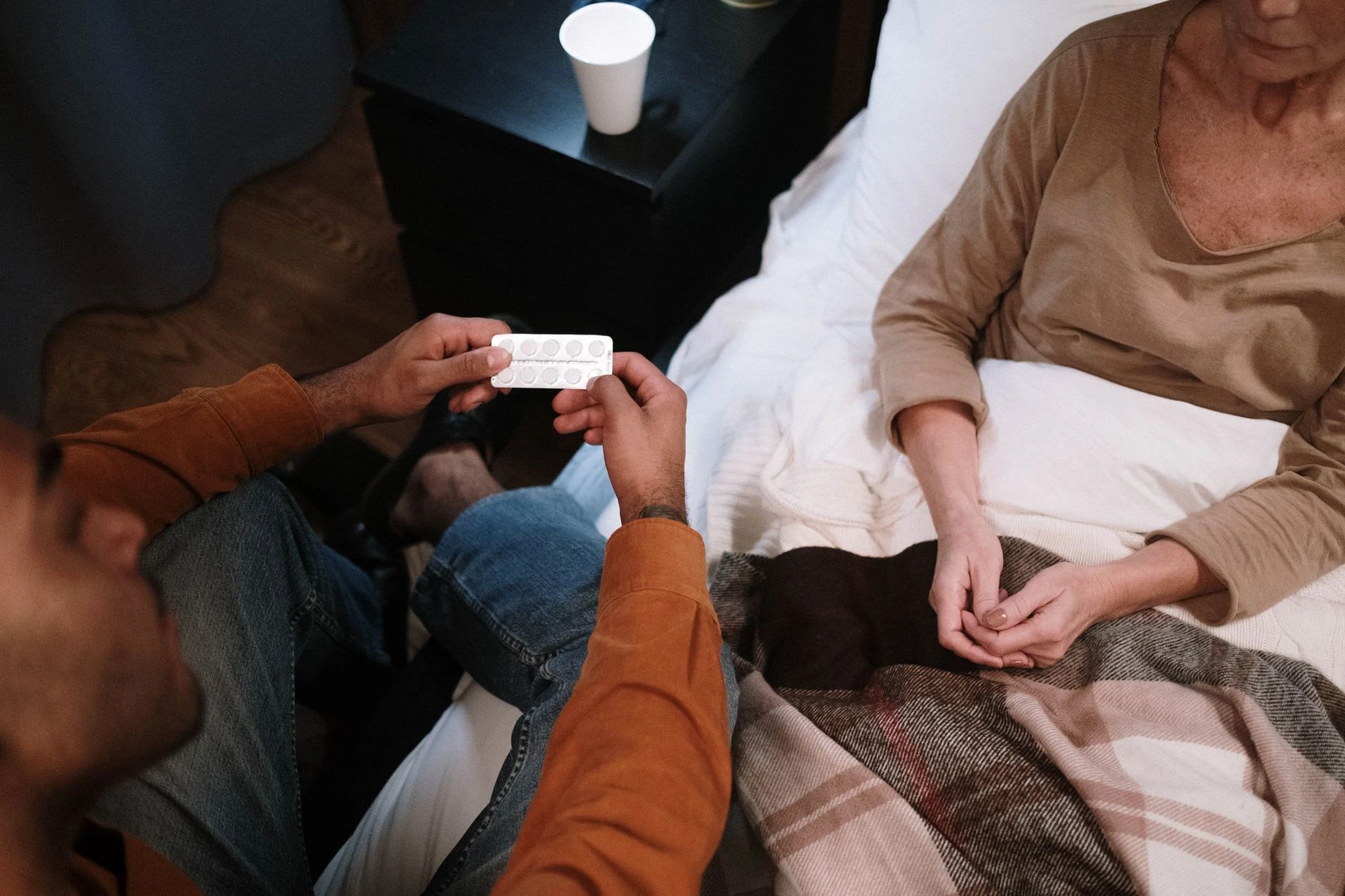
Their most consequential joint project is Hilarity for Charity, the nonprofit they co-founded in 2012 after Lauren Miller Rogen’s mother, Adele Miller, was diagnosed with early-onset Alzheimer’s at age 55. The organization says its mission is to support families affected by Alzheimer’s disease and to advance brain-health education and advocacy. That gives the couple’s public image a different kind of weight, moving them beyond the entertainment cycle and into a space where public health, caregiving and social support intersect.
Since 2012, Seth Rogen and Lauren Miller Rogen have used humor to raise awareness of Alzheimer’s disease and funds for at-home caregiving. That emphasis speaks to a real community burden: the unpaid, often invisible labor that families absorb when dementia enters the home. By centering caregiving and brain-health education, Hilarity for Charity connects celebrity influence to a broader social need, one that reaches far beyond Los Angeles or West Hollywood and into households managing illness with too little support.
Their work has also broadened in recent years as the organization expanded its mission and fundraising efforts. That evolution matters because it shows a shift from a cause rooted in personal grief to a more sustained advocacy platform. It is a model increasingly common among entertainment figures who want their public persona to carry moral legitimacy as well as commercial value.

What Rogen’s version of making it says about Hollywood now
Rogen’s story is useful because it captures how success works in today’s entertainment economy. He is not only selling performances, he is helping shape the property, the production, the award narrative, and the philanthropic frame around his name. That kind of multi-layered control is what turns fame into durable business power, and it is a large part of why his image feels steadier than the typical star profile.
His version of “making it” is not built on endless reinvention. It is built on continuity: a long-running partnership, a hit series that he controls from multiple angles, and a nonprofit that ties his family’s experience to a larger public-health conversation. In Hollywood, where so many careers depend on visibility alone, Rogen has built something more stable, and something more difficult to dislodge.
Sources
- [1]nytimes.com
- [2]apple.com
- [3]wearehfc.org
- [4]prnewswire.com
- [5]statnews.com
- [6]variety.com