World
Severe heatwave grips Korean Peninsula, triggering emergency measures

At least 13 people died as South Korea’s southeast hit 42.5 C, with authorities expanding emergency measures across the Korean Peninsula as the heatwave pushed temperatures into dangerous territory. The emergency response covered both South Korea and North Korea, underscoring how quickly extreme heat had turned into a public-health test for governments, hospitals and power systems.
South Korea had already set a new national high of 41.4 C on July 31 as the heat intensified, and the Korea Meteorological Administration had warned days earlier that daytime temperatures could reach 39 C until early August. That forecast proved conservative in the country’s southeast, where the latest readings topped it by more than 3 C and left officials moving to shield residents, workers and other vulnerable groups from heat-related illness.
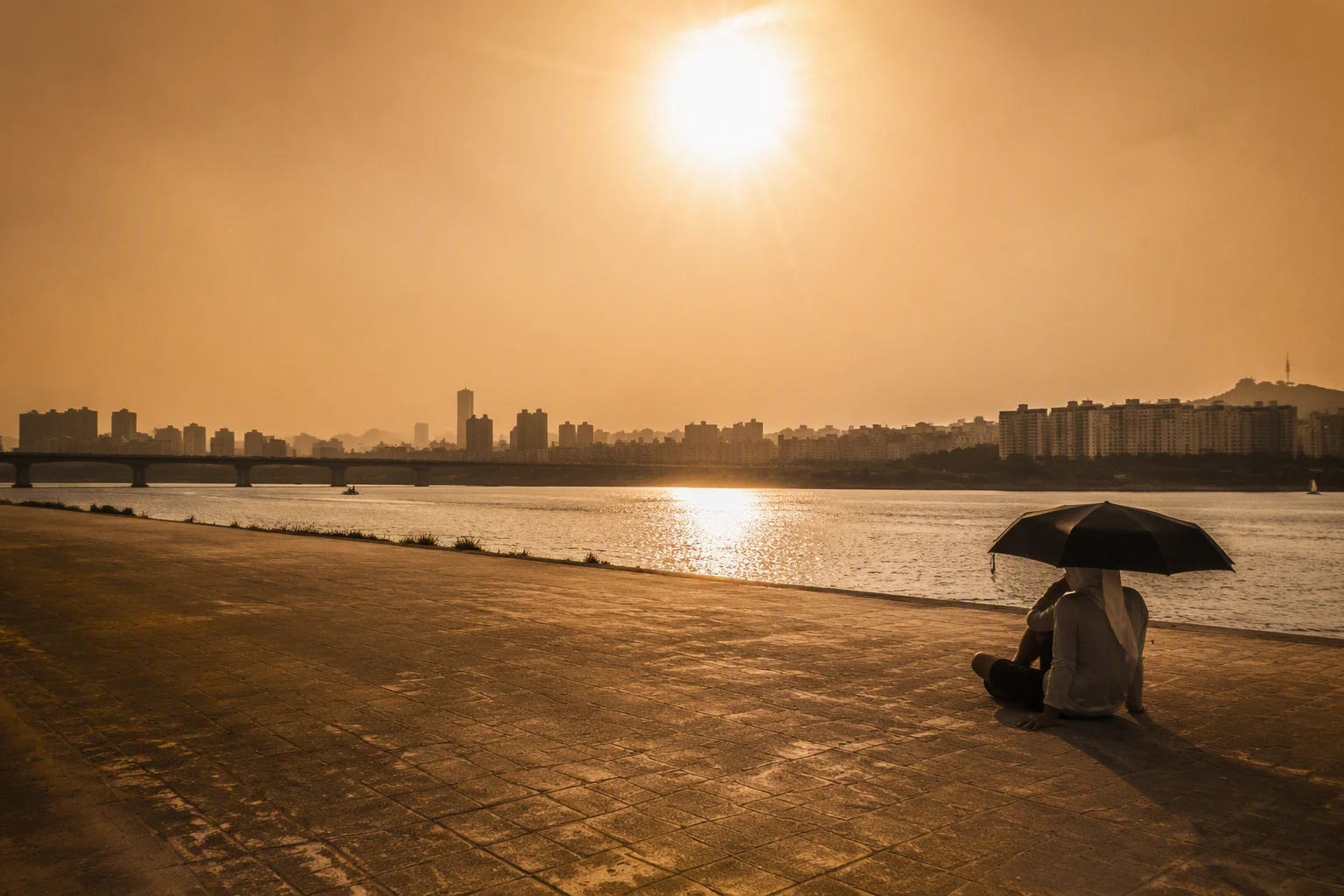
The strain showed up in daily life in Seoul as well. Images from July 31 showed a boy cooling off in a fountain, a small scene that reflected a larger pattern across dense cities where concrete, asphalt and packed apartment blocks hold heat long after sunset. For older residents with limited access to air conditioning, and for outdoor workers facing prolonged exposure, the danger was not just discomfort but dehydration, collapse and a greater risk of emergency-room visits.
The scale of the heat also raised broader concerns about the national infrastructure that has to absorb it. Prolonged high temperatures can push electricity demand higher as households and businesses lean harder on air conditioning, while hospitals and emergency services face more calls tied to heatstroke and exhaustion. In agricultural areas, the same weather can damage crops and complicate transport, adding economic pressure to a public-health emergency.
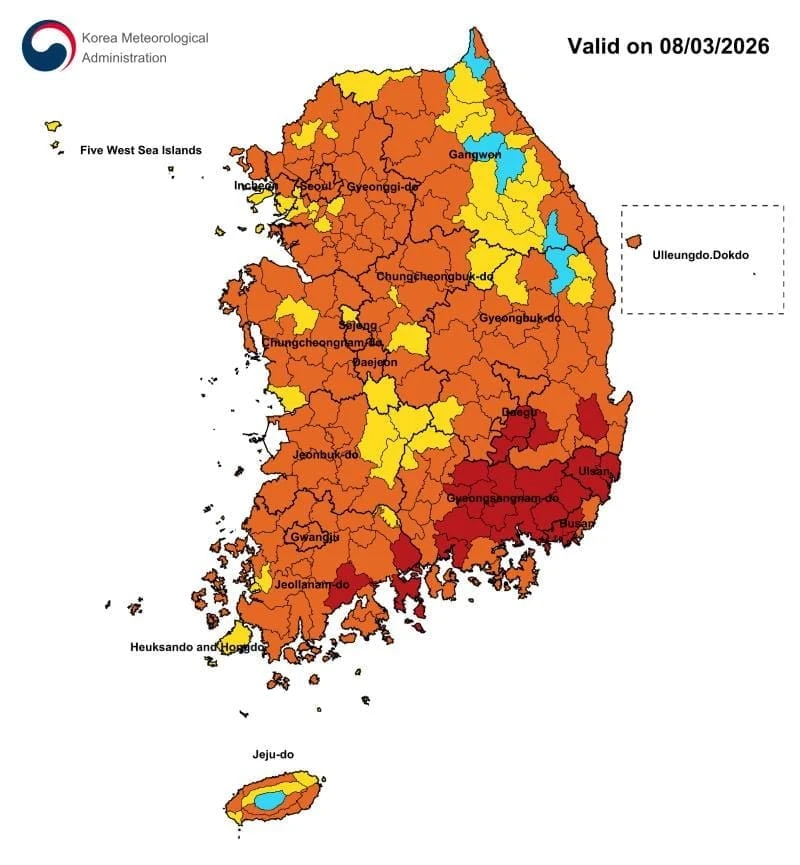
The peninsula’s latest heatwave fit a wider pattern of more frequent and intense extreme-heat events across East Asia. In South Korea, the jump from a forecast of 39 C to a record 41.4 C and then 42.5 C in the southeast showed how quickly summer weather had crossed from uncomfortable to life-threatening, forcing officials to treat heat not as a seasonal nuisance but as an emergency that can affect every part of daily life.
Sources
- [1]usnews.com
- [2]reuters.com
- [3]straitstimes.com
- [4]the-independent.com
- [5]en.yna.co.kr
- [6]indiatoday.in
- [7]internazionale.it
- [8]chosun.com
- [9]world.kbs.co.kr