US News
Severe storms and wildfire smoke threaten Midwest to Northeast, alerts spread
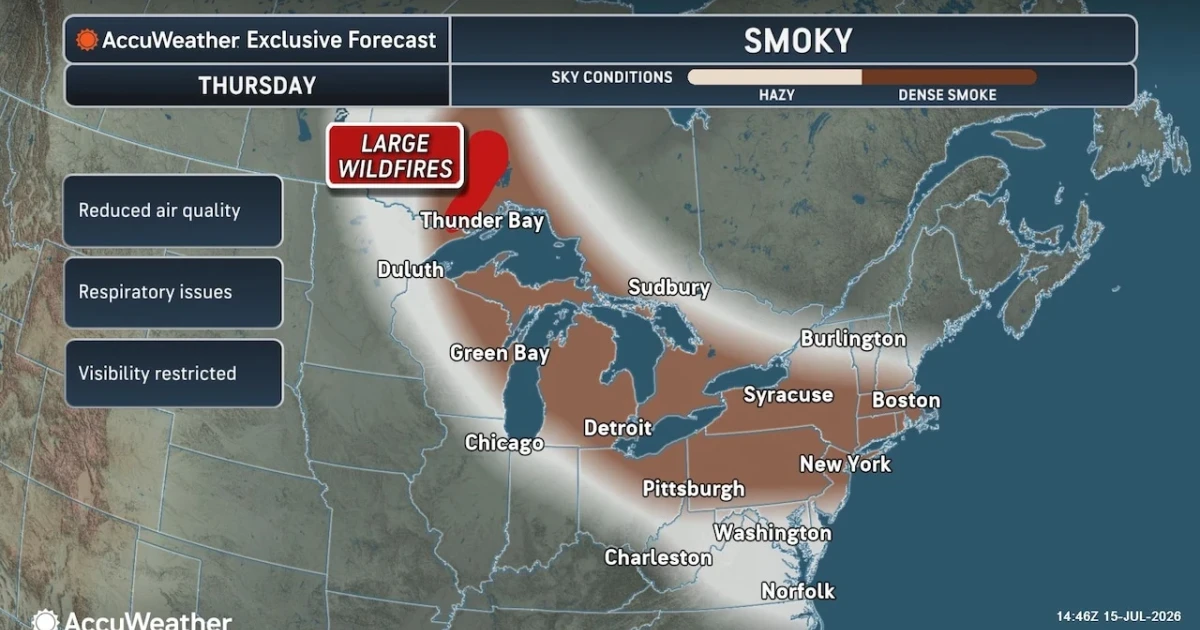
The National Weather Service said wildfire smoke was still degrading air quality from the Great Lakes into New England and the Mid-Atlantic while severe thunderstorms threatened the Ohio Valley, Lower Great Lakes, Mid-Atlantic and Northeast. Widespread Air Quality Alerts were in effect as millions of people faced the double hit of dirty air and fast-moving weather hazards.
The smoke plume was tied to wildfires burning in Canada and northeast Minnesota, and meteorologists said it had already pushed hazardous air quality into parts of Ohio. CNN estimated that more than 100 million people could be exposed to unhealthy air quality across the Midwest and Northeast, a scale that turns the event into a public health problem as much as a weather one.
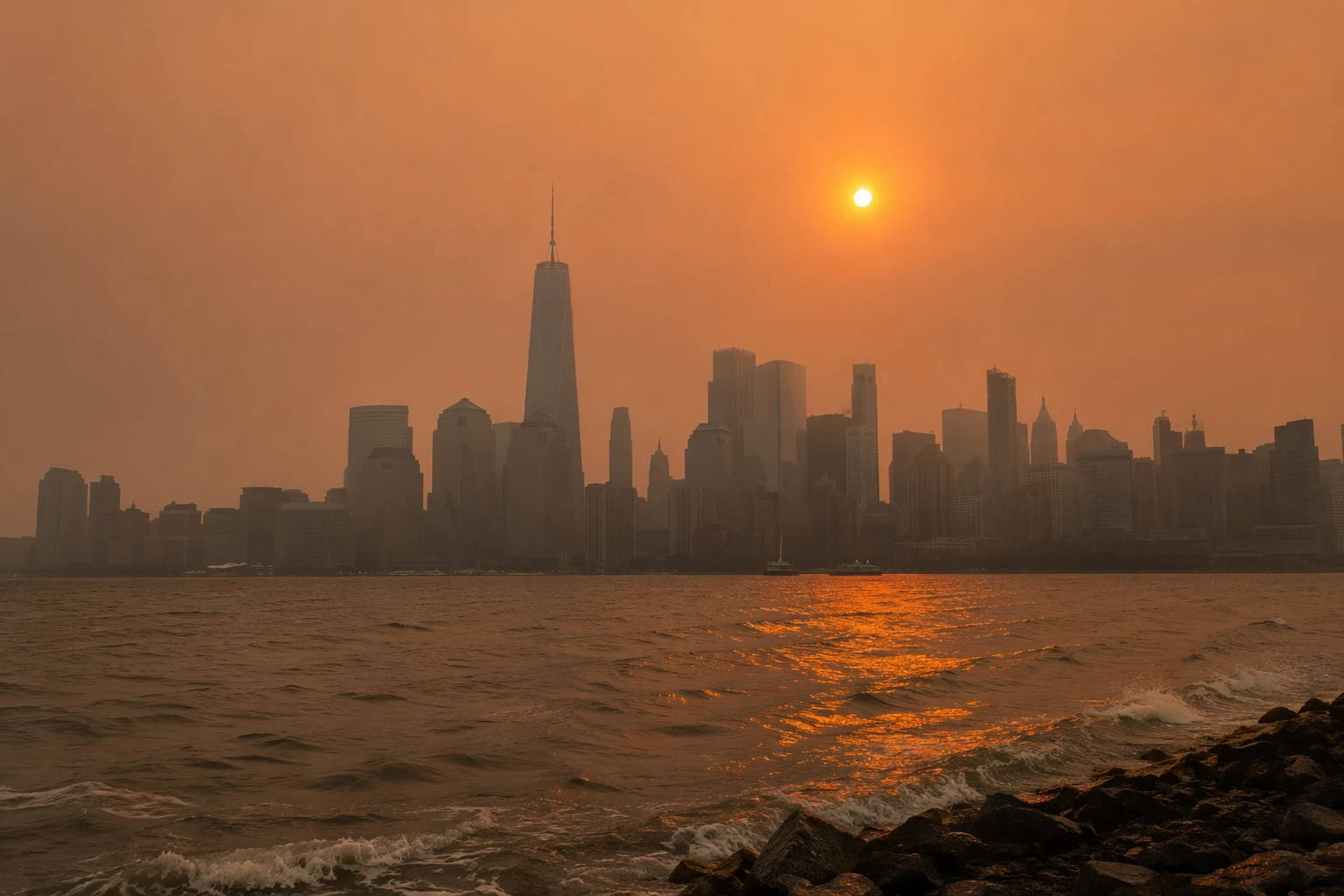
Severe storms were moving east through the day, with Weather.com warning that damaging winds, large hail, flooding and isolated tornadoes were all possible from the Ohio Valley into the Mid-Atlantic. The National Weather Service said severe thunderstorms could bring damaging winds, large hail, isolated tornadoes and flooding, adding another layer of risk for travel, outdoor work and emergency response as smoke limited visibility and complicated conditions on the ground.
The smoke threat was not expected to clear quickly. The Washington Post said wildfire smoke would worsen in the Northeast and Mid-Atlantic through Friday, while Fox Weather said millions remained under air quality alerts. Forbes reported that thick smoke from the Canadian and Minnesota fires had spread into the northern United States, underscoring how the plume has stretched well beyond the burn zones and into major population centers across the Great Lakes and Northeast.

The overlapping hazards landed on a region that has already seen repeated severe-weather and flooding events this summer. National Weather Service event summaries in the results show major rounds on June 14, June 18, June 26-28 and July 5-6, leaving forecasters to juggle repeated storm threats with an air-quality emergency that now spans from Ohio to New England.
Sources
- [1]cbsnews.com
- [2]forbes.com
- [3]washingtonpost.com
- [4]weather.gov
- [5]weather.com
- [6]cnn.com
- [7]foxweather.com