US News
Severe storms pound Ohio, Pennsylvania as Texas flooding threat grows
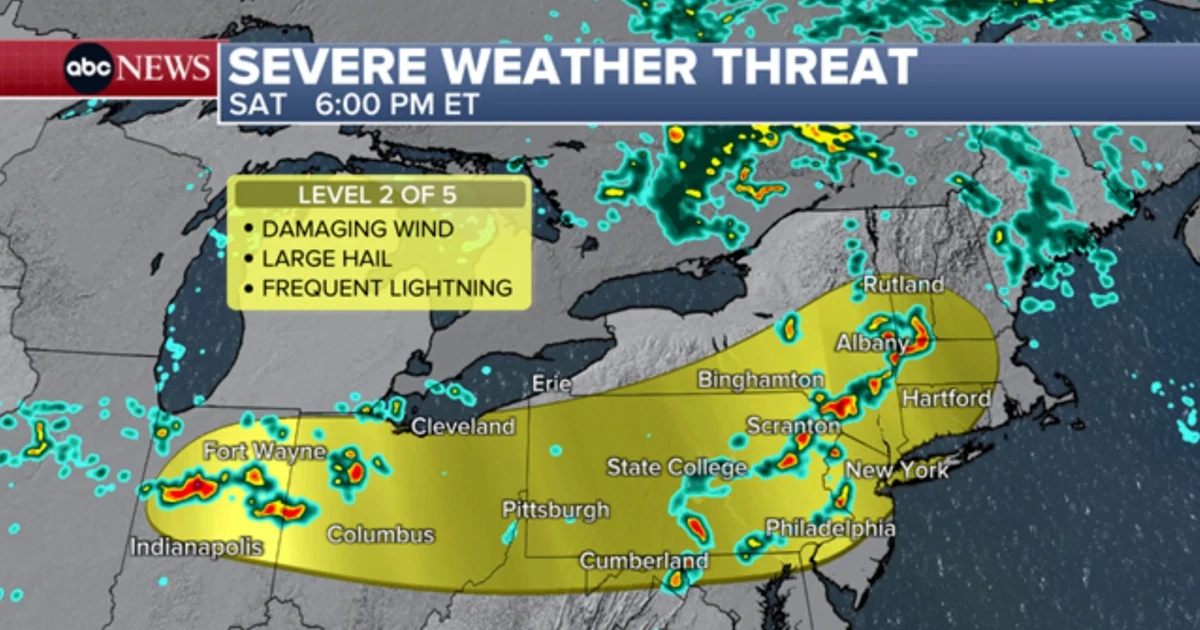
Severe storms battered Ohio and Pennsylvania over the weekend while central Texas faced a growing flash-flood threat, underscoring how one weather system can put several regions under stress at once. The National Weather Service said the greatest flooding potential remained across Central Texas, with hazardous weather expected to continue into midweek.
In South-Central Texas, the National Weather Service office in Austin/San Antonio kept a Flood Watch in effect through Tuesday, June 16, warning that isolated pockets of more than 8 inches of rain were possible and that life-threatening flooding could develop inside the watch area. The National Weather Service in Fort Worth said several rounds of thunderstorms could produce widespread rainfall of 2 to 3 inches, with isolated totals above 5 inches across portions of Central Texas. The main concern was not a single burst of rain but repeated storms that can quickly overwhelm creeks, roadways and drainage systems.
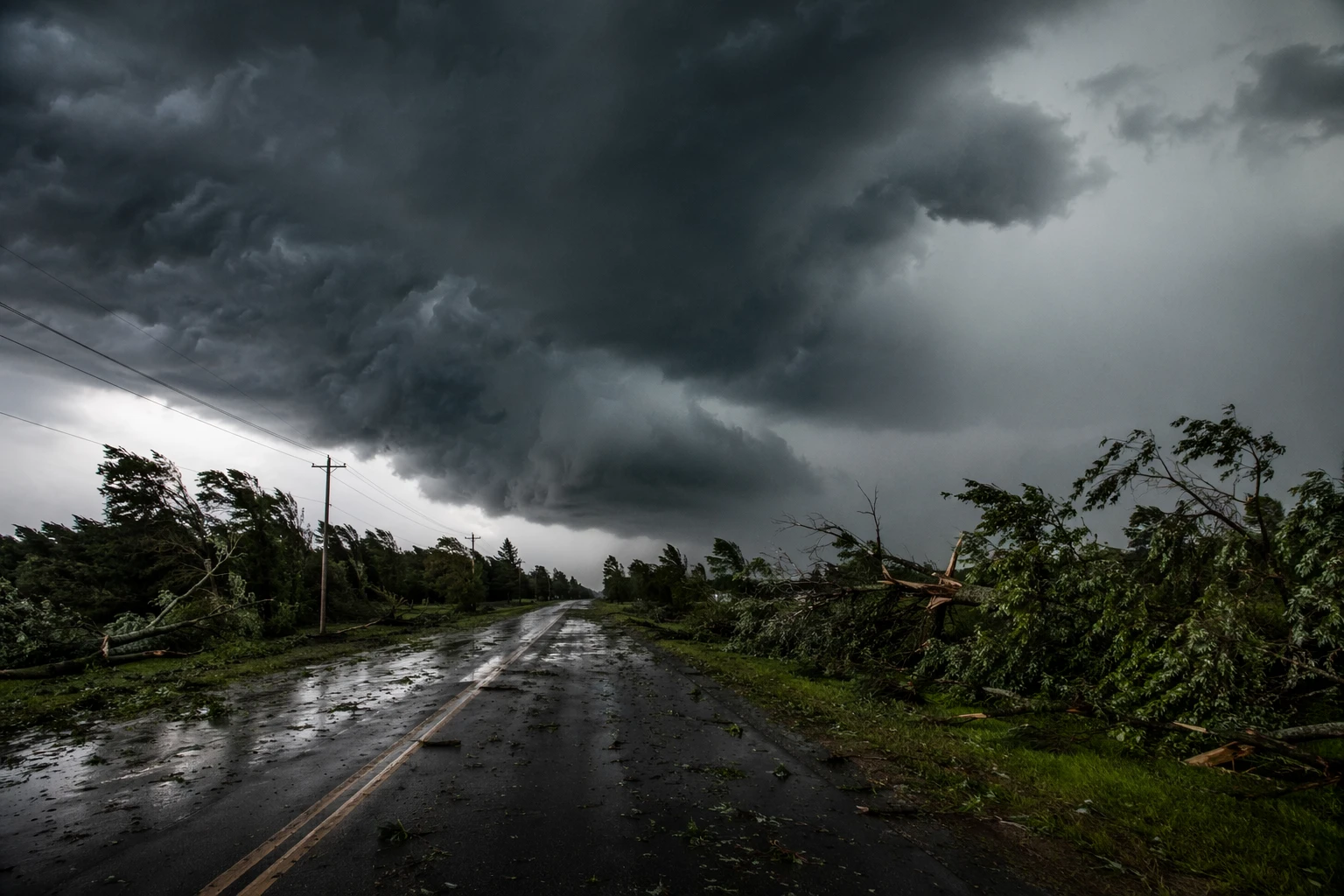
Farther north, the National Weather Service forecast scattered severe thunderstorms capable of damaging wind gusts across the Upper Ohio Valley, the Lower Great Lakes, the Mid-Atlantic and parts of the Northeast. Heavy rain also raised the risk of flash flooding in parts of the Appalachians and Mid-Atlantic, leaving communities from the Great Lakes to the Atlantic seaboard vulnerable to both wind damage and water damage at the same time.
The pattern fit a familiar and costly trend. NWS Cleveland’s local event summaries note tornadoes across Northeast Ohio and Northwest Pennsylvania on June 9, 2025, and severe winds and tornadoes in northern Ohio on June 18, 2025. The Cleveland office also has a damage survey for the June 10, 2026 Amherst Northeast microburst, another sign that storms across the Ohio Valley and Great Lakes are arriving with enough force to damage homes, trees and power infrastructure. With Texas facing flood danger and the eastern half of the country bracing for wind and rain, the forecast is revealing a larger emergency resilience problem: multiple regions can be hit hard at once, stretching response systems and leaving little margin for error.
Sources
- [1]cbsnews.com
- [2]weather.gov
- [3]forecast.weather.gov