US News
Severe storms threaten Midwest with hail, tornadoes and power outages
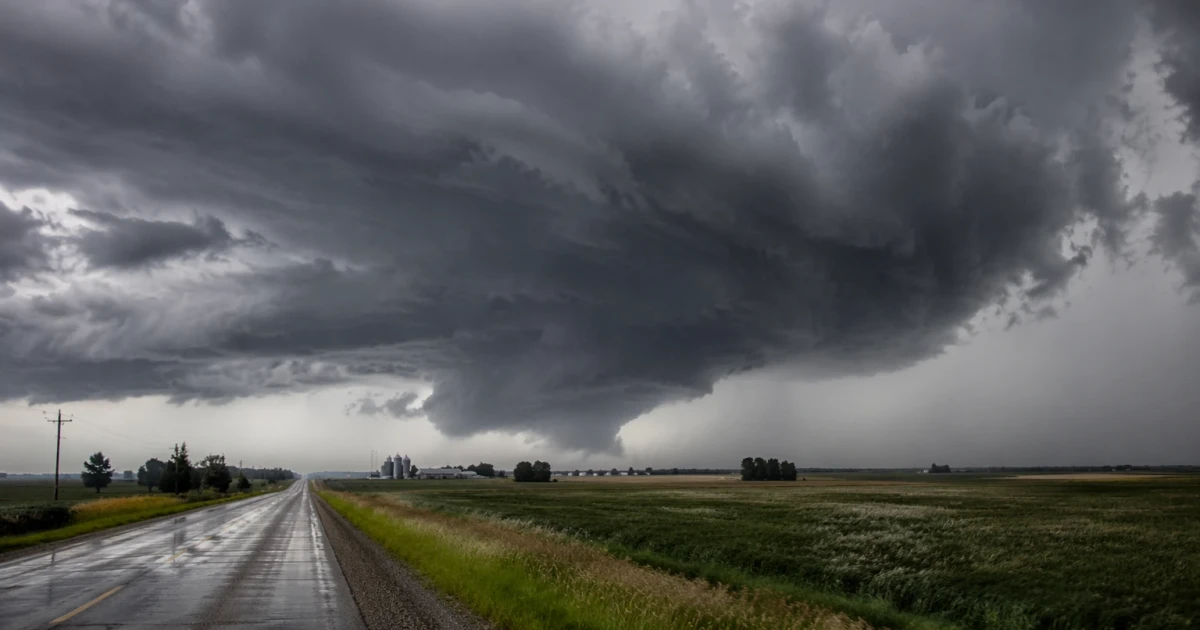
Severe thunderstorms threatened to hit the Upper Midwest and Midwest with hail larger than 2 inches, a few strong tornadoes and damaging winds topping 75 mph, while Minnesota crews were still trying to restore power after overnight storms. By midafternoon Wednesday, the first round had already passed the Twin Cities, but another barrage was expected later in the day.
The National Weather Service Storm Prediction Center said scattered to numerous severe thunderstorms were expected through the afternoon and evening across parts of the Upper Mississippi Valley and Midwest. The storm threat stretched beyond one local burst of bad weather, with forecasters warning that the same system could keep producing destructive rounds across the region.
In Minnesota, CBS Minnesota said the next wave of storms was expected between 1 p.m. and 2 p.m. across eastern Minnesota and western Wisconsin, with the greatest severe-weather risk east of Interstate 35. That corridor faced the chance of large hail, damaging winds and tornadoes, adding pressure to communities already dealing with downed lines, power loss and cleanup from the morning’s storms.
The power picture improved but remained fragile. CBS Minnesota reported nearly 15,000 customers were still without electricity at 3:30 p.m., down from more than 50,000 earlier in the morning. Most of the remaining outages were in Anoka, Douglas, Hennepin and Ramsey counties, where crews were working to bring service back while another round of storms loomed.
The broader setup pointed to a cascading infrastructure problem, not just a weather headline. The National Weather Service said the severe threat also covered the northern and central Plains, where winds of 60 to 80 mph, tornadoes and large hail were expected through the night. It also carried flooding concerns in parts of North Dakota and Minnesota, a reminder that one storm system can knock out power, delay restoration, snarl travel and expose the weak points that make repeated extreme weather harder to absorb.
With storms forecast to redevelop later in the day, utilities and local officials faced a race against the clock. Each new round carried the risk of fresh outages before the earlier damage could be fully repaired, leaving some of the region’s most exposed counties to ride out a long, unsettled stretch of severe weather.
Sources
- [1]nytimes.com
- [2]severeweatheroutlook.com
- [3]weather.gov
- [4]cbsnews.com