US News
Sharp Decline in U.S. Population Growth Driven by Plunging Immigration Numbers
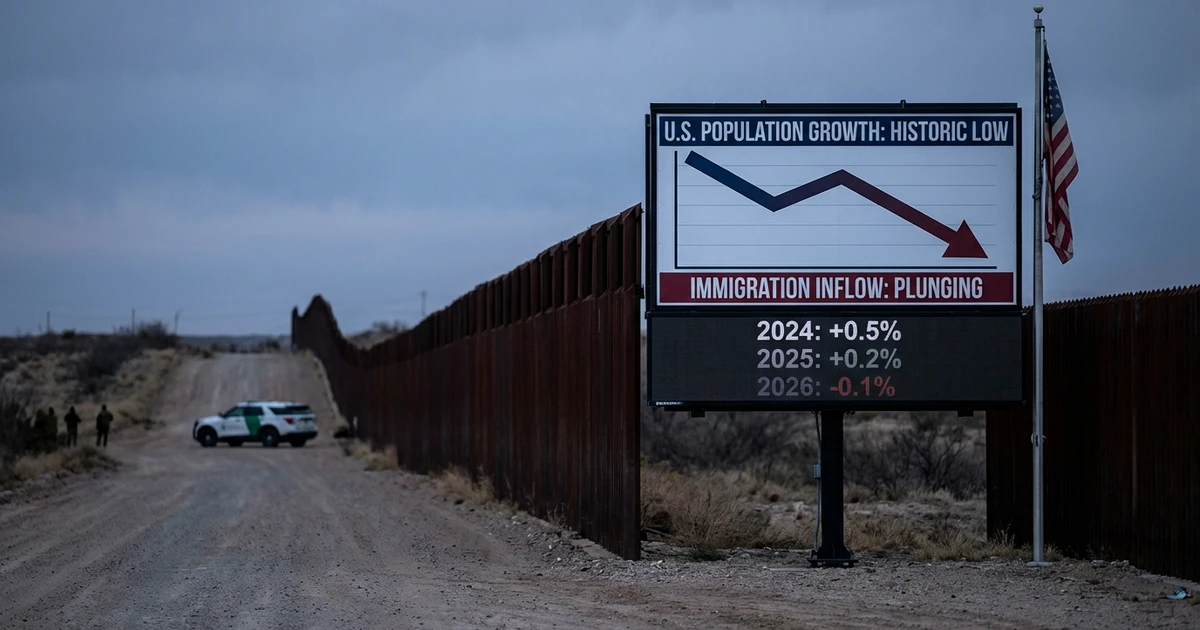
Sharp Decline in U.S. Population Growth Driven by Plunging Immigration Numbers
The United States is experiencing a significant slowdown in population growth, with recent Census data revealing a historic decline driven largely by a marked drop in immigration. This new trend not only affects national demographic patterns but also carries far-reaching implications for the economy, labor market, and social programs.
Population Growth at Historic Lows
According to the latest figures from the U.S. Census Bureau, national population growth has reached its slowest pace in decades. Both The New York Times and Reuters report that the population increase in 2025 was one of the smallest recorded in modern U.S. history. This stagnation follows years of declining birth rates and, more recently, a sharp reduction in the number of new immigrants entering the country.
- Population growth in 2025 was at its lowest point in decades
- Both natural increase (births minus deaths) and net migration have declined
Immigration Plunge as a Key Factor
Census data and reporting indicate that immigration numbers have plunged in recent years, serving as the primary driver behind the population slowdown. Historically, the U.S. has relied on immigration to bolster its workforce and offset declining birth rates. With fewer immigrants arriving, the overall growth rate has faltered.
- Sharp decline in new immigrants entering the U.S. since 2020
- Immigration now contributes less to population growth than at any point in recent decades
Regional Variations and State Impacts
The population slowdown is not uniform across all states. Reuters notes that states previously seeing robust growth due to international migration are now experiencing stagnation or even declines. States in the South and West, which often benefit from both international and domestic migration, are reporting lower-than-usual increases.
- States like Texas and Florida, long-time magnets for newcomers, are seeing slower growth rates
- Long-term demographic trends may shift as internal migration patterns adjust to the new reality
Economic and Policy Implications
This demographic shift has significant consequences for the U.S. economy. A slower-growing or stagnant population can mean a smaller labor force, potentially limiting economic expansion and innovation. Social programs such as Social Security and Medicare, which rely on a balance of workers to beneficiaries, may also face increased strain.
Experts suggest that unless immigration rebounds or birth rates increase, the U.S. could face challenges similar to those seen in aging societies elsewhere, including labor shortages and increased fiscal pressures.
What Lies Ahead?
With both natural growth and immigration numbers at sustained lows, policymakers face difficult choices. Restoring higher levels of immigration or creating incentives for larger families are among the potential strategies discussed by analysts. However, the political debate over immigration remains contentious, complicating efforts to reverse the current trend.
As the U.S. grapples with these demographic realities, continued monitoring of Census data and thoughtful policy responses will be crucial to ensuring future economic stability and social well-being.
Sources
- [1]The New York Times
- [2]Reuters