Sports
Sheffield 1966 World Cup memorabilia recalls England's only title
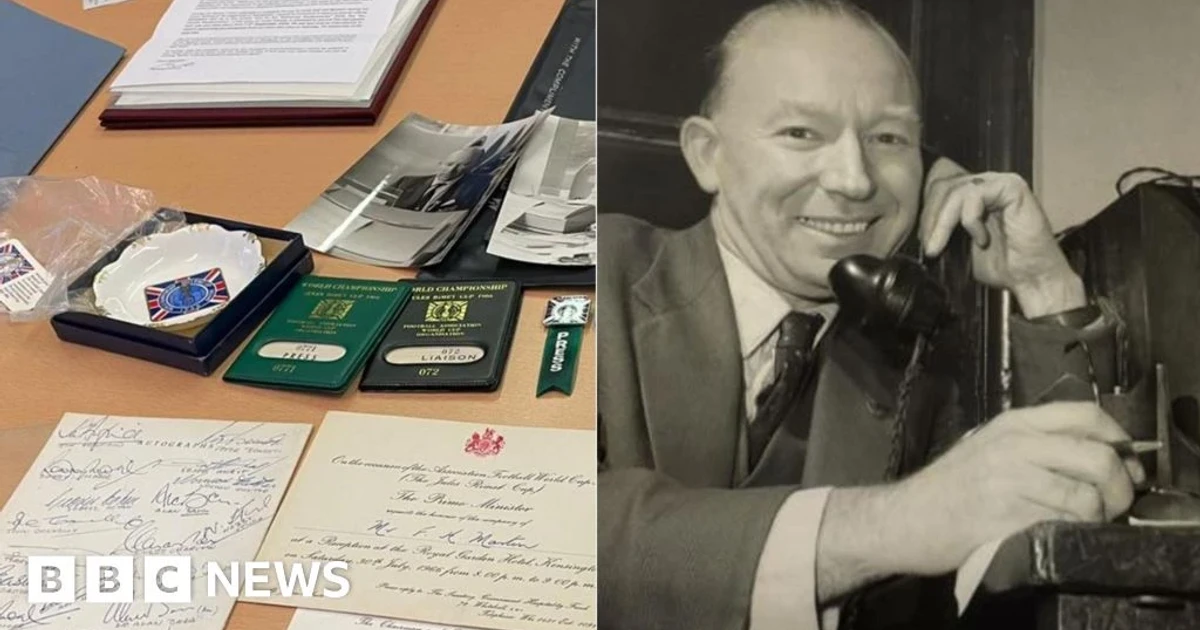
A rare collection of 1966 World Cup press items has gone on display at Sheffield Town Hall, turning a piece of football history into a public memory with a distinctly local face. The memorabilia belonged to Darlene Dickens and had been owned by her father, Harold Martin, a Sheffield press reporter who was at the final at Wembley when England won.
A Sheffield archive in public view
The display places Sheffield directly inside one of English football’s defining days. Harold Martin was not on the pitch, but he was close enough to witness the moment at Wembley, and the press items he kept now carry that perspective into the town hall setting.
That matters because the collection is not just a set of football souvenirs. It is a reporter’s working record, preserved through a family line and then shared in a civic space where the city’s own history can be read beside the national one.
Why the 1966 final still dominates the memory of the game
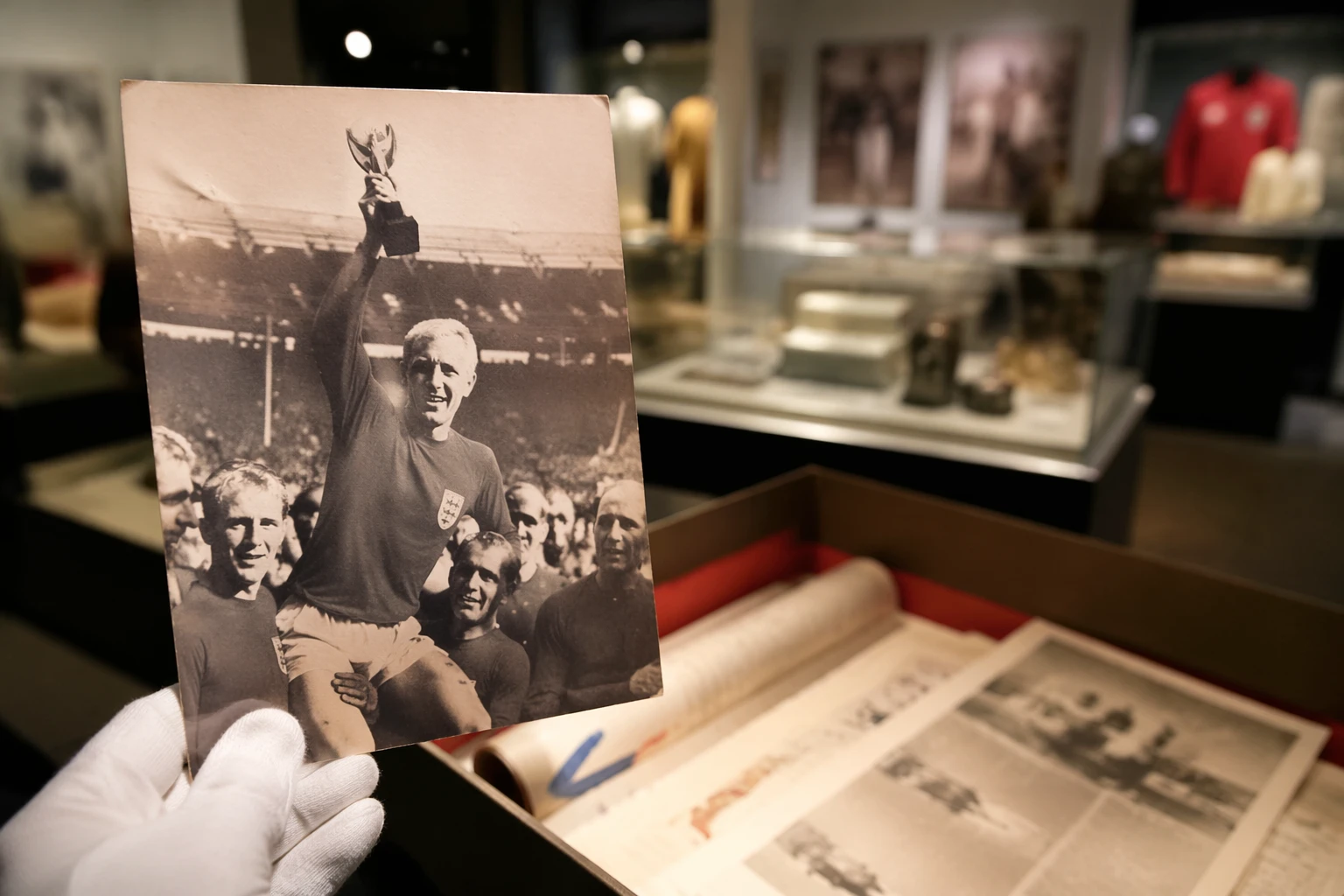
England’s victory in the 1966 World Cup final remains the country’s only men’s World Cup title, which gives every surviving object from that day a particular weight. A press kit from the final is more than paper and print, because it connects directly to the one tournament England still points to as its summit.
Wembley also gives the story a fixed setting. The final’s location, the reporter’s presence there, and the later appearance of the memorabilia in Sheffield create a simple but resonant chain: a national triumph, recorded by a local journalist, preserved by his family, and now shown in the city that shaped him.
How a family collection becomes a public story
Darlene Dickens’ ownership of the memorabilia is central to the story. The items did not remain hidden in a private archive; they moved from a family possession into an exhibition that lets visitors see how sporting history survives outside museum catalogues and trophy cases.
That shift is one reason the display reaches beyond committed football followers. People who may never seek out a World Cup history panel still recognize the human scale of the objects when they are tied to a father, a daughter, a city, and a single day at Wembley.
The collection also speaks to the role of the press in sport’s memory. Before television clips and digital archives became the default record, reporters like Harold Martin carried notes, documents, and press material that helped define how a tournament was understood at the time.
Why the story travels beyond sports audiences
This is one of those tournament stories that works because it is smaller than the tournament itself. A rare collection at Sheffield Town Hall, a Sheffield press reporter at Wembley, and England’s only men’s World Cup title are enough to make the memory legible to people who do not follow every match.
The appeal lies in the local connection. Sheffield is not being asked to remember football in the abstract; it is being asked to recognize one of its own, and to see how a family keeps the record of a national event alive through ordinary objects that happened to witness history.
It also fits the broader social life of a World Cup, where the strongest moments are often not confined to the pitch. Fan culture, family archives, and city venues give the tournament a second life after the final whistle, and this display shows how that life can begin with one reporter’s press kit and end with a whole room of visitors thinking again about 1966.
A memory that still carries civic weight
The Sheffield connection gives England’s lone World Cup title a new edge of intimacy. Rather than standing only as a line in sporting history, the 1966 final appears here as something traced through a reporter’s work, kept by his daughter, and displayed in a public building that belongs to the city.
That is why the memorabilia resonates so widely. It links Wembley to Sheffield, a family archive to a national triumph, and one of football’s most familiar dates to the quieter, more durable work of remembering it.
Sources
- [1]nytimes.com
- [2]bbc.co.uk