US News
Sheffield Press has recorded Iowa town life since 1880

The Sheffield Press has been part of Franklin County’s civic memory since its first issue appeared on March 4, 1880. That origin makes it more than a surviving masthead, because it began publishing when Sheffield was still a young railroad town defining its public life in print.
A newspaper that grew with the town
Sheffield’s own history gives the paper its setting. The city says the town was founded by C. C. Gilman in 1875 and incorporated on April 8, 1876, after being platted in 1874. The 2020 census counted 1,130 residents, and the city describes Sheffield as the second-largest town in Franklin County. In that setting, a weekly paper was not a luxury. It was the place where civic routine, business notices, and local names became a record that could outlast the people involved.
The Library of Congress lists the Sheffield Press as a weekly newspaper with Vol. 1, no. 1 dated March 4, 1880, created and published in Sheffield, Iowa by Press Print. Co. The catalog dates it as 1880-current, which means the paper is not only part of the town’s past but also part of its present. That continuity matters in a community where the first decades after incorporation shaped the institutions that followed.
The archive behind the claim of longevity
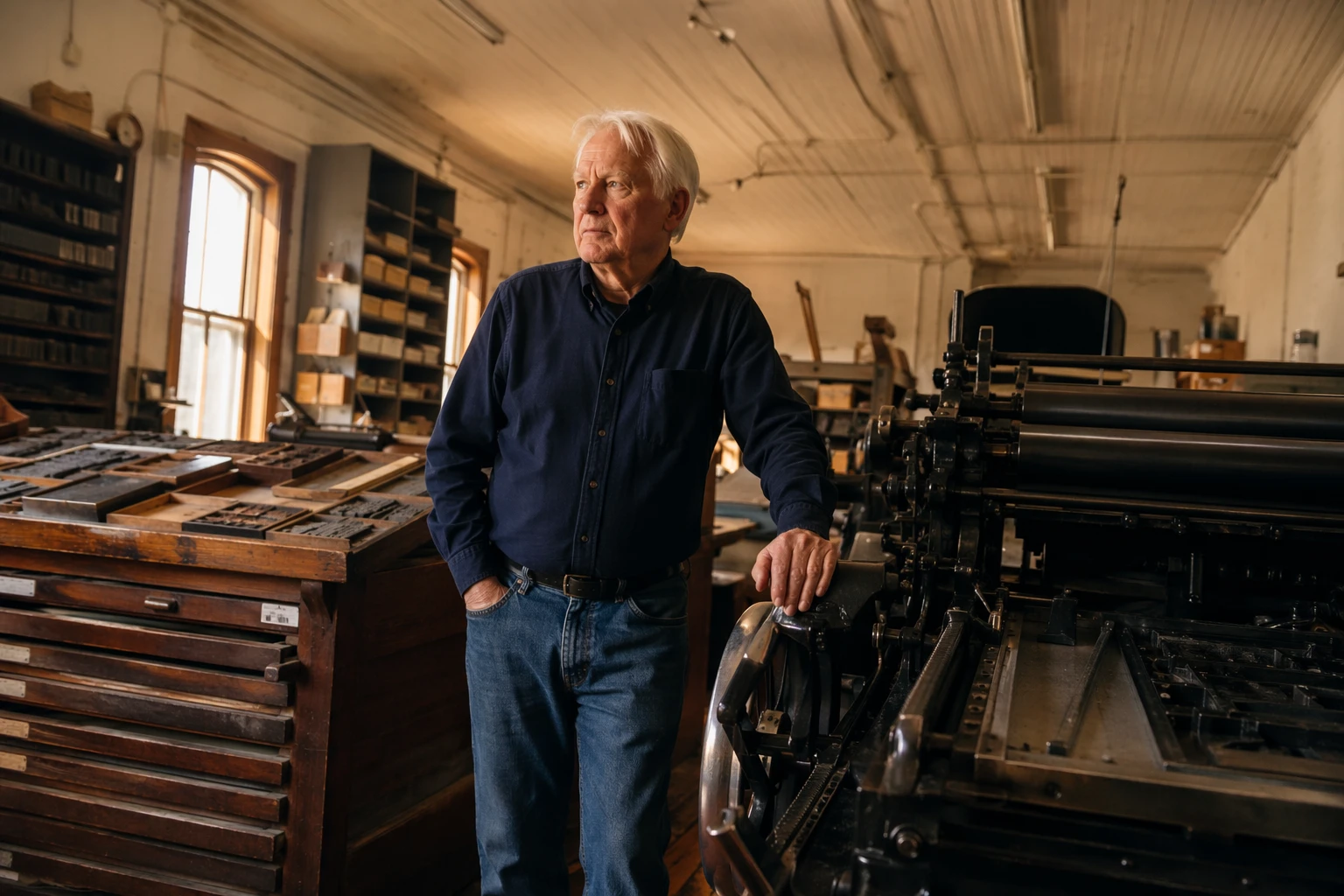
The paper’s own framing of its history draws on a much wider newspaper landscape than one title alone. The British Newspaper Archive’s Sheffield results surface 65,127 issues, a reminder that the city’s press history is layered rather than linear. Its title list reaches back to the Sheffield Public Advertiser in the 1760s, 1780s, and 1790s, then moves through later titles such as the Sheffield Independent from 1819 to 1938, the Sheffield Free Press from 1851 to 1857, and the Sheffield Daily Telegraph across multiple runs including 1855 to 1932.
That longer record is useful because it places the Sheffield Press inside a tradition of repeated reinvention. A local newspaper can claim continuity without pretending to be the only title in the archive. In Sheffield’s case, the documentary record shows something richer: a civic culture where multiple papers have carried local life across different eras, formats, and readerships. The modern Press can stand in that lineage while still being a distinct newsroom of its own.
Why a royal wedding belongs in a county paper’s history
The Sheffield Press also reaches beyond Franklin County when it uses the royal wedding of Lady Diana Spencer and Charles, Prince of Wales, to frame its place in print history. That wedding took place at St. Paul’s Cathedral in London on July 29, 1981, and about 750 million people watched it worldwide. For a local weekly, that kind of event shows how newspapers connected small-town readers to a larger public world.

A paper like the Sheffield Press did that work by translation. National and international moments entered local life through the rhythm of weekly publication, then sat alongside school news, business updates, and county events. The Diana wedding is useful here not because it changes Sheffield’s history, but because it reveals the scale of the public moments a local paper could capture and preserve for readers who might otherwise know them only as distant spectacle.
Taverns, inns, and the civic spaces newspapers also preserved
The town’s memory is not carried by print alone. Sheffield City Council treats taverns and inns as long-standing social centers, and earlier in their history they also served as coaching inns and transport hubs. That matters because public houses were often where a community exchanged news before it reached the press, then saw that same news fixed in the newspaper the next day or week.
The result is a civic record that is broader than headlines. The town’s newspaper history sits alongside the history of gathering places, travel routes, and the everyday social spaces that made a small community legible to itself. In that sense, the Sheffield Press recorded not only official milestones, but the texture of local life that forms around them.
What the digital newsroom changes
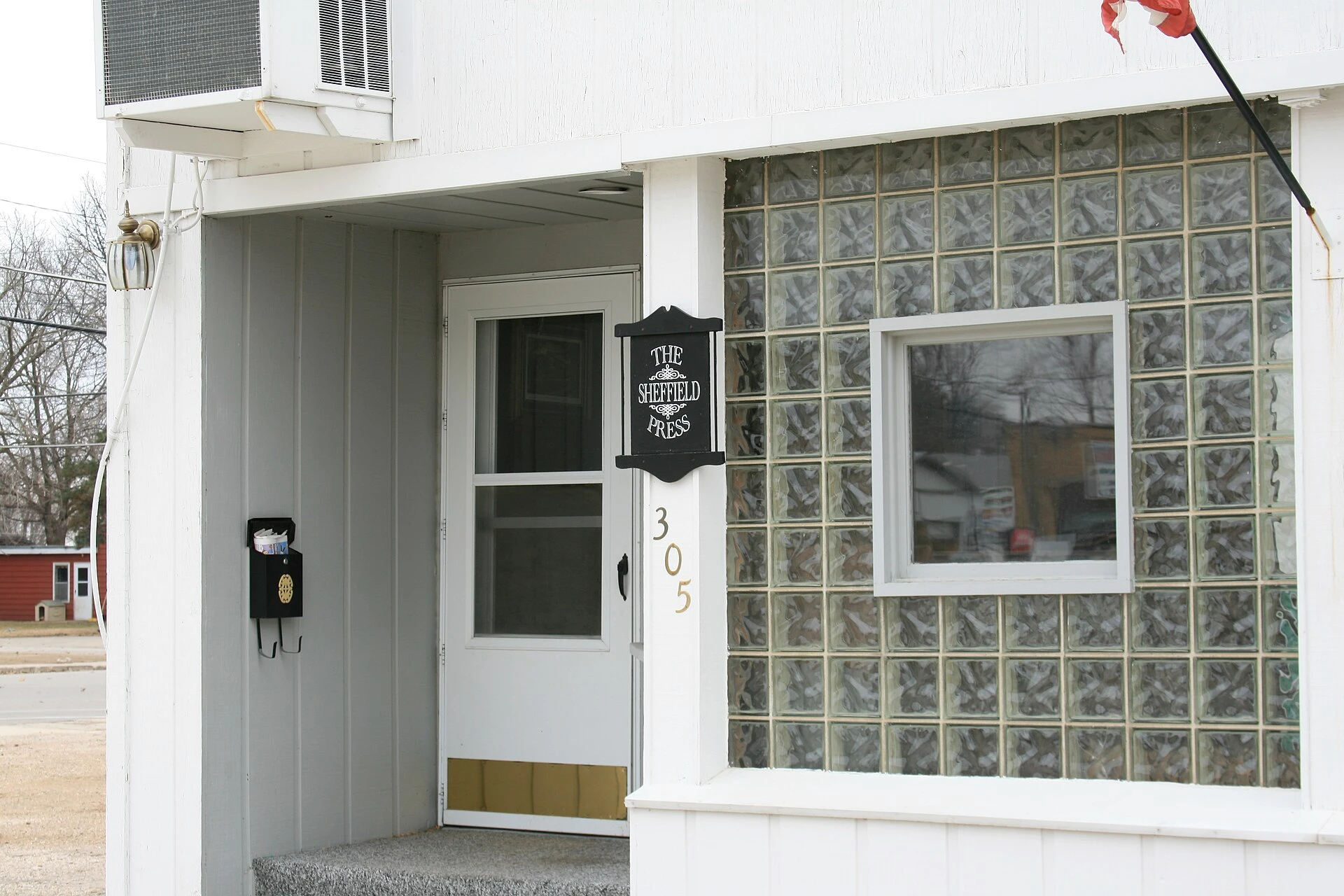
On June 30, 2026, the Sheffield Press launched a digital newsroom with a pitch for balanced, fact-checked news and analysis. That move gives the paper a new form without severing its older claim to local continuity. Its own coverage presents the launch as part of a deeper story, not a break from it.
The timing is significant because the Library of Congress still lists the title as current, while the paper itself now adds digital publication to its print-era identity. That combination gives readers a clear picture of what the Sheffield Press is today: a newsroom anchored in an 1880 weekly, shaped by a town founded in the railroad era, and now carrying that record into a digital format that can extend its public role.
Sources
- [1]nytimes.com
- [2]loc.gov
- [3]sheffieldiowa.com
- [4]thesheffieldpress.com