World
Sheffield press history spans more than 200 years
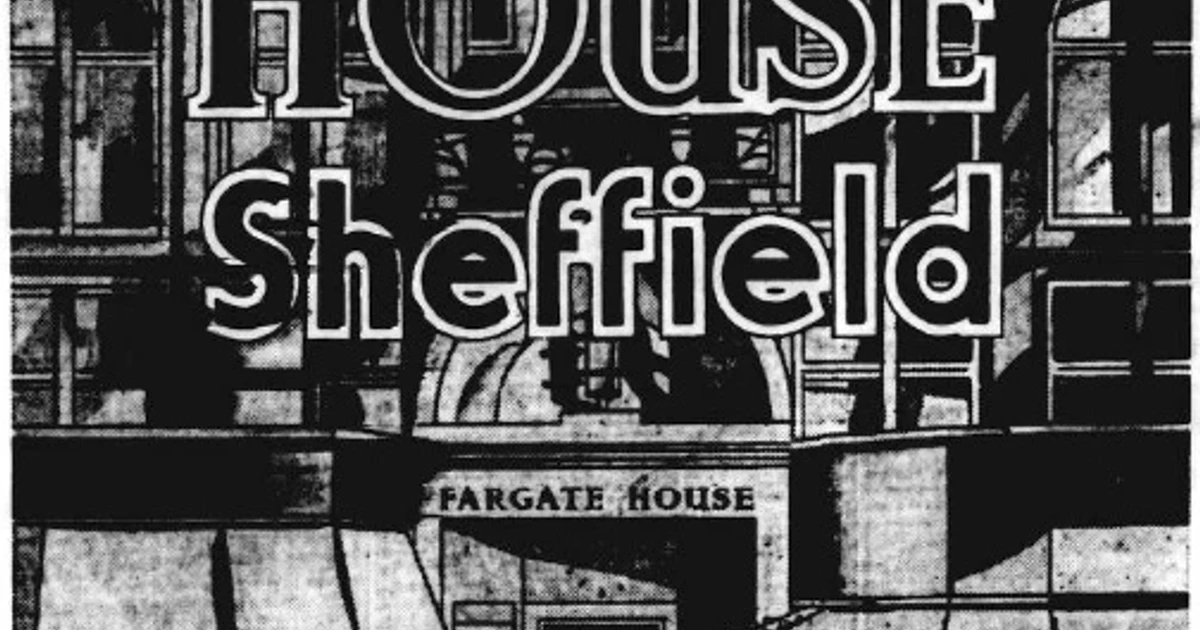
The Sheffield press history is bigger than a single masthead and harder to pin down than a neat civic slogan. The British Newspaper Archive’s Sheffield results surface 65,127 issues, and its title list traces local newspaper coverage from the Sheffield Public Advertiser in the 1760s, 1780s and 1790s to twentieth-century papers that carried the city’s news into 1950 and beyond.
What the archive makes visible
The British Newspaper Archive describes itself as a vast trove of historical newspapers, with online access to local and regional titles from across Britain and Ireland. It says more pages are added every week, which matters because press history is not fixed in one bound volume or one library shelf. The archive’s span reaches more than 200 years, so Sheffield’s newspaper record sits inside a much larger national story of civic reporting, advertising, politics, births, deaths and community notice.
That scale also changes how you read a claim like “The Sheffield Press.” A phrase that sounds singular can dissolve into a set of surviving titles, gaps, date ranges and archive counts. In practical terms, the record for Sheffield is not one uninterrupted newspaper but a layered paper trail that has to be assembled issue by issue.
The Sheffield titles that survive in the record
The archive’s Sheffield title list shows how broad that trail is. Sheffield Free Press appears with coverage from 1851 to 1857, while Sheffield Independent runs from 1819 to 1938, giving the city one of its longest continuous newspaper presences. Sheffield Daily Telegraph is listed across 1855 to 1932, then again in 1939, 1950, and 1980 to 1985, a reminder that newspaper histories often survive in fragments rather than straight lines.
Several other titles fill in the civic conversation around those runs. Sheffield Evening Telegraph appears in the archive from 1887 to 1891, 1893 to 1910, 1912 to 1920, and 1939. Sheffield Weekly Telegraph is listed from 1884 to 1891, 1893 to 1920, and 1950. Sheffield Iris appears from 1835 to 1843, and Sheffield Daily News is present in 1856, 1858 and 1859. Sheffield Public Advertiser shows up in archive results from the 1760s, the 1780s and the 1790s, pushing the city’s press history back well over two centuries.
Read together, those titles show a city with a dense newspaper culture rather than a single dominant publication. They also show how local press history can be uneven, with some titles carrying long runs and others surfacing only in specific years. That unevenness is not a flaw in the story; it is the story, because it reflects how newspapers opened, merged, reappeared and vanished while the city kept changing around them.
Why the count matters
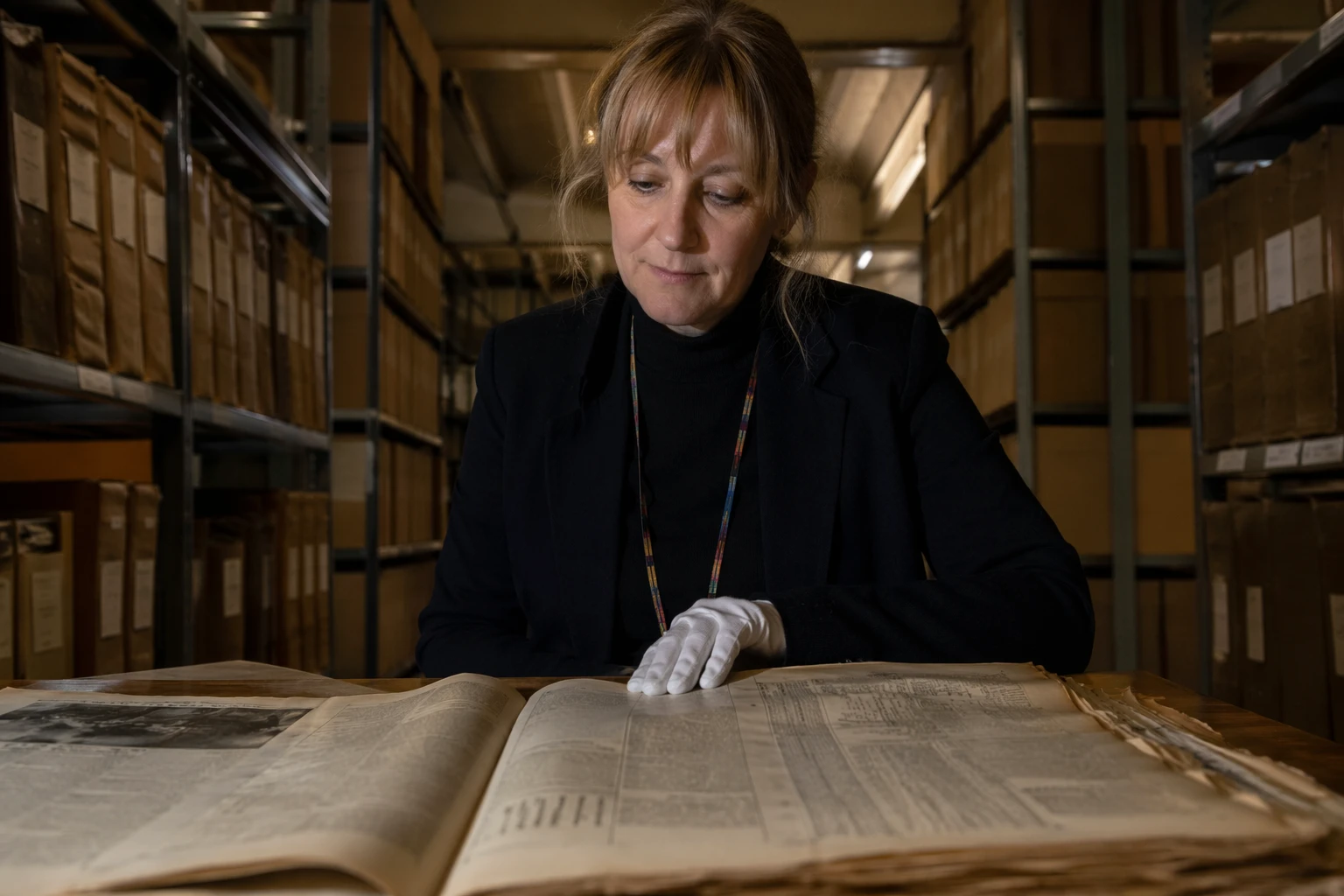
The Sheffield location search result, with 65,127 issues, is more than a headline number. It tells you that the city’s newspaper history is large enough to support detailed checking, whether the question is about a family notice, a factory dispute, a council decision or the life of a vanished title. For historians, archivists and local readers, that volume is the difference between a vague memory and a documentable record.
It also shows why archive navigation matters as a form of accountability. If a claim cannot be matched to a title, date range or issue, it stays thin. If it can be placed inside a searchable run, it becomes testable. That is especially important when the name being used is unclear or generic, because the archive forces the question back onto evidence: which paper, which year, which surviving issue.
How to verify an obscure Sheffield press claim
A careful check starts with the title list, then moves to the place-specific issue count, and only then to individual pages. In Sheffield’s case, the archive’s own structure gives you the first set of anchors: named titles, date ranges and the local count of 65,127 issues. Those are the concrete points that separate a real newspaper history from a loose reference to “the press.”
From there, the record becomes a map of the city’s public life. Sheffield Free Press, Sheffield Independent, Sheffield Daily Telegraph, Sheffield Evening Telegraph, Sheffield Weekly Telegraph, Sheffield Iris, Sheffield Daily News and Sheffield Public Advertiser do not just mark publication dates. They mark changing eras of local reporting, when newspapers were the daily infrastructure of business, politics and neighborhood memory.
The result is a press history that is both old and still being extended. With more pages added every week, the archive keeps widening the evidentiary base for Sheffield’s newspaper past, and that makes the safest reading the most precise one: the city’s press history spans more than 200 years, and the proof sits in the surviving titles themselves.