US News
Sheffield Press serves Iowa town with railroad-era roots
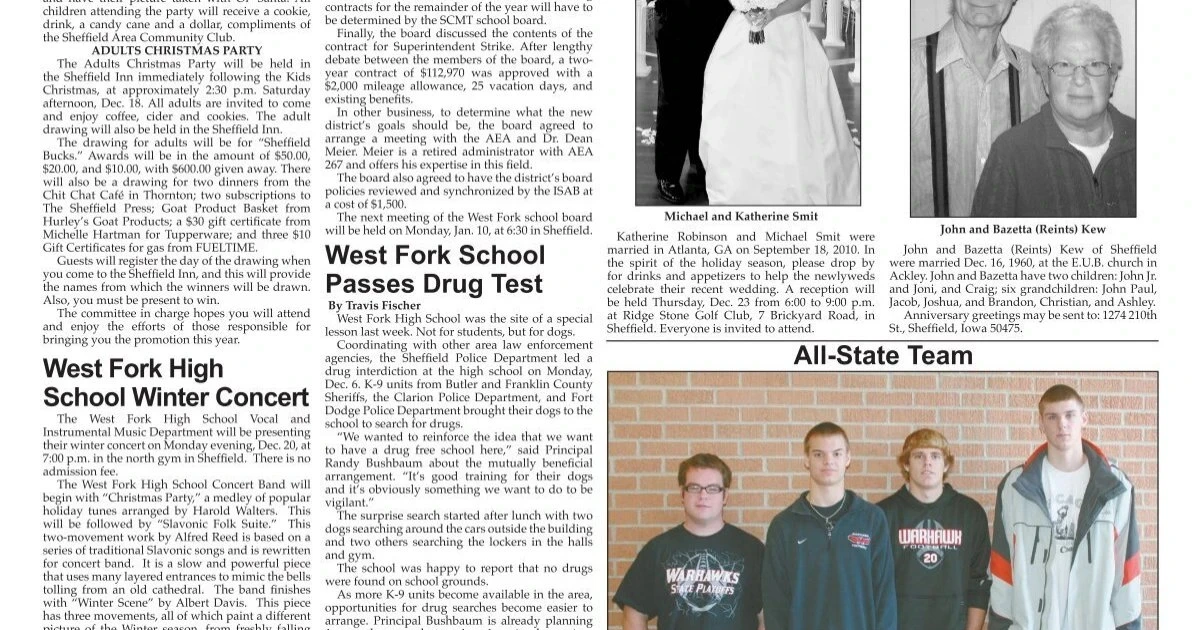
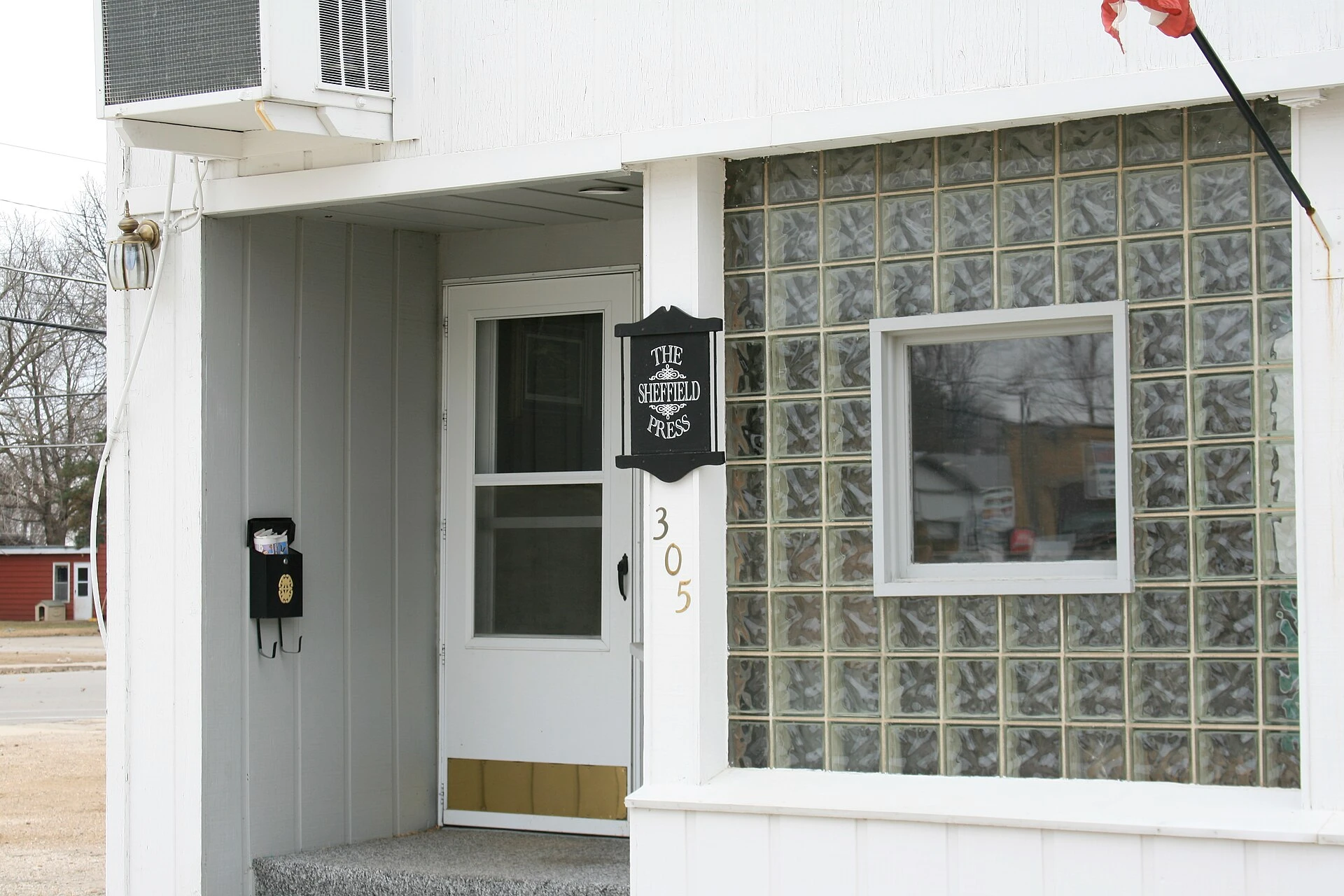
The Sheffield Press says it covers Sheffield, Iowa, and Franklin County, a narrow local beat that depends on a working phone line, a mailing address and a reporter who knows the town. Its social media profile lists PO Box 36 in Sheffield, 641-456-2585 ext. 12, and invites residents to send in news tips and stories.
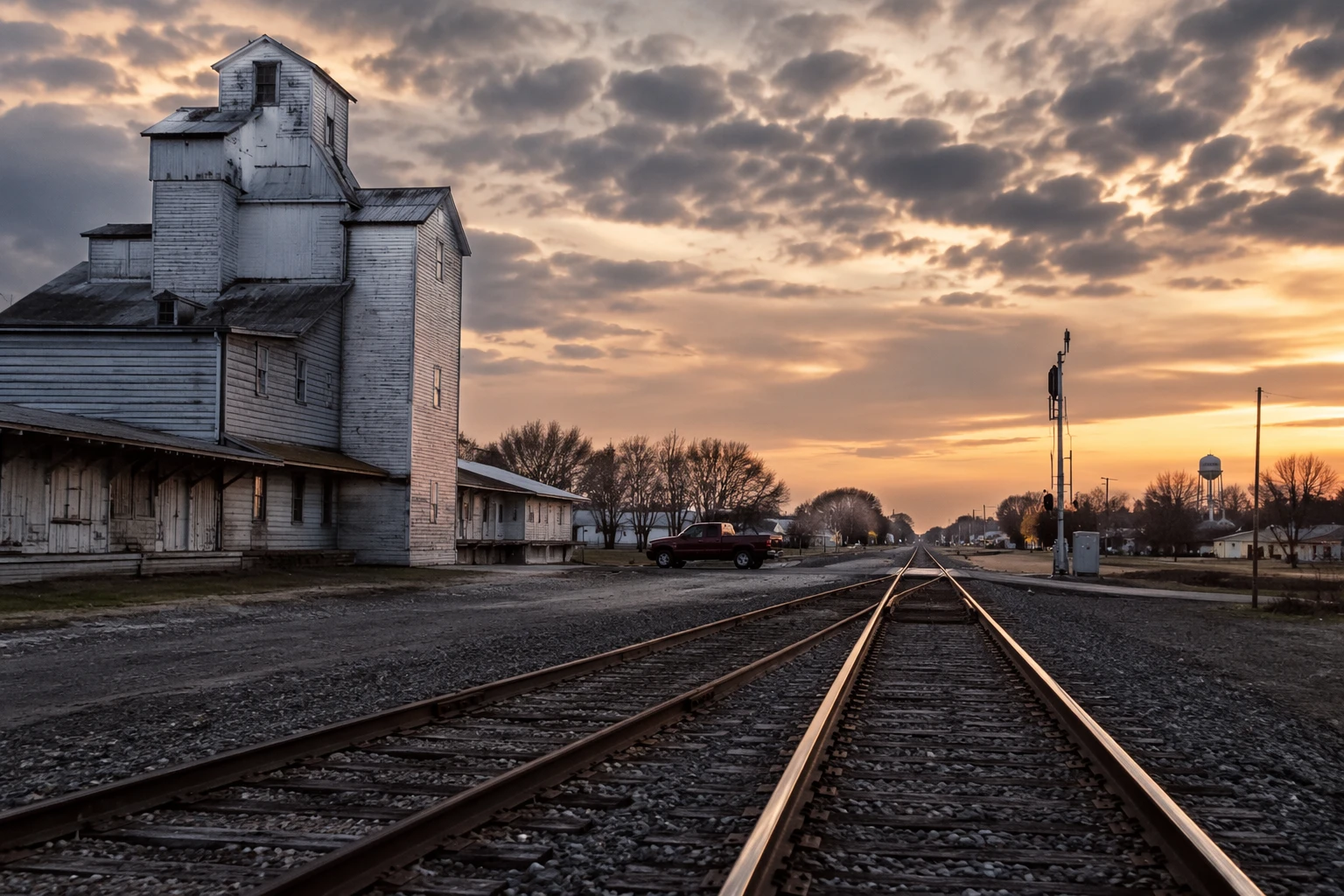
That hyperlocal reach matters in a place that began as a railroad town. Sheffield was founded by C. C. Gilman, owner of the Eldora Railroad and Coal Company, in 1875, then incorporated on April 8, 1876. The city’s history predates the paper’s known archival footprint, which NewspaperArchive dates to 1976 for publishers in Sheffield. In a town with roots in the rail era, the newspaper is part of the civic infrastructure that keeps school news, local government, obituaries, business changes and county developments from disappearing into a county-sized silence.
The larger Iowa newspaper tradition shows why that infrastructure still counts. Historical references on the state’s newspapers describe the spread of local papers with the phrase “the press followed the plow,” a shorthand for how reporting moved with settlement across the state. The State Historical Society of Iowa says its newspaper collections hold hundreds of Iowa titles from 1836 to the present, a reminder that local papers have long been the record-keepers for places too small to matter to national outlets until a controversy, disaster or election makes them visible.
For readers outside Sheffield, the paper’s value is not in scale but in proximity. A county paper can put names, dates and addresses on the record when a zoning hearing, school board decision or road issue would otherwise be reduced to a generic regional brief. In communities like Sheffield, where the town was organized around the railroad and incorporated nearly 150 years ago, that kind of reporting is often the only steady public ledger residents have.
The Sheffield Press’s archived presence since at least 1976 places it within a shrinking but still essential class of local institutions: the paper that knows the difference between a town name and a town. In Iowa, where hundreds of newspaper titles still sit in state collections, those surviving hyperlocal desks remain the most direct check on civic life in places the national press can only occasionally find.
Sources
- [1]nytimes.com
- [2]newspaperarchive.com
- [3]facebook.com
- [4]einpresswire.com
- [5]x.com
- [6]history.iowa.gov
- [7]ouriowaheritage.com
- [8]guides.lib.uni.edu