Politics
Sheffield’s socialist legacy fuels debate over capitalism-friendly left politics
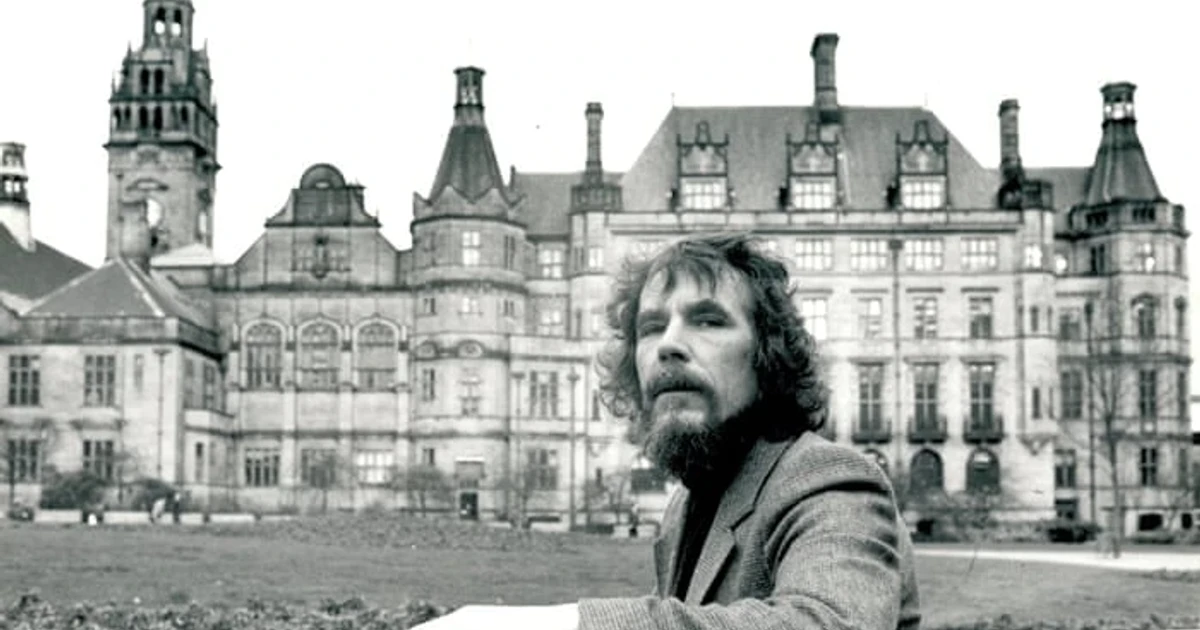
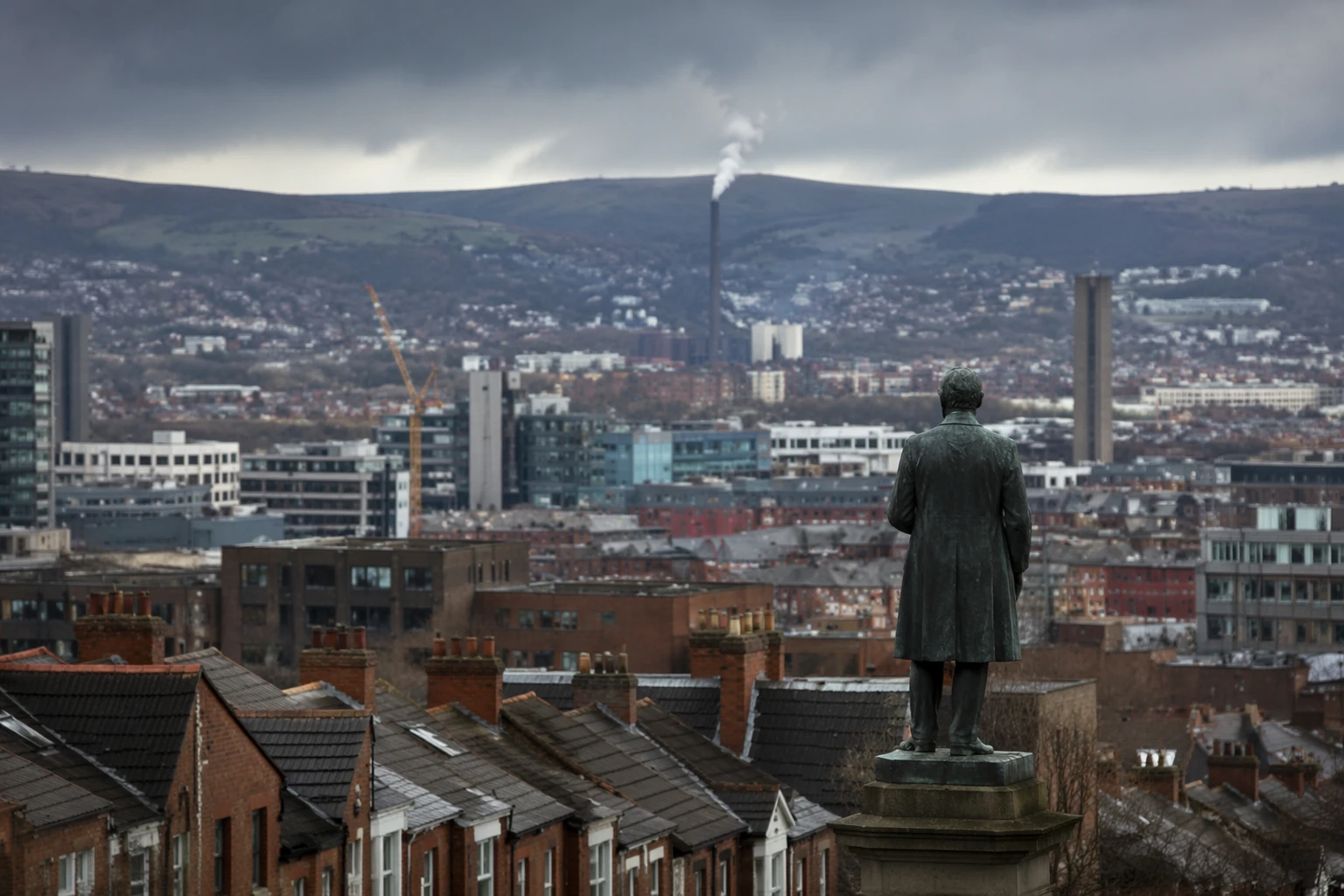
Sheffield’s left-wing past still shapes how the city is used to test the political limits of democratic socialism. When David Blunkett took control of Sheffield Council in 1980, the city became associated with the phrase “Socialist Republic of South Yorkshire,” a label coined by Conservative MP Irvine Patnick that captured how loudly municipal politics had shifted to the left. Four decades later, Sheffield remains one of the clearest places to ask whether the left can govern in practical ways without breaking with capitalism altogether.
Sheffield as a laboratory for local socialism
Blunkett led Sheffield Council for seven years, and the city’s politics in that era are now described by historians as a form of “local socialism.” That was never just a slogan. It was an effort to build a broader left-wing alternative to Thatcherism through city government, using the tools available at local level rather than waiting for a national breakthrough.
The historical record shows a city hall trying to turn principle into administration. Sheffield’s left politics engaged with trade unions, women’s groups, peace campaigners, environmentalists, anti-apartheid activists, anti-racist campaigners, and lesbian and gay politics. A University of Birmingham thesis on the period describes how those movements were embraced, supported, restricted or ignored by the local authority, which is a reminder that even a radical council had to decide which parts of the movement to back and which demands it could not absorb into ordinary governance.
The politics behind the label
The “Socialist Republic of South Yorkshire” phrase has endured because it distilled both excitement and alarm. For supporters, it signaled a city willing to use public power aggressively in the interests of working people and communities left out of mainstream politics. For critics, it suggested a local government that had moved too far, too fast, and treated municipal office as an ideological platform.
Sheffield Archives records note that Blunkett became leader in 1980 and held the post for seven years, during which the region was widely known by that nickname. In 1984, Blunkett described Sheffield’s initiatives as socialist “beacons,” language that matters because it shows the ambition was never purely defensive or local. He wanted Sheffield to model a different way of governing and to spread that example across the country.
That ambition is why historians still return to Sheffield when they discuss the relationship between local government and new social movements. The city’s experience sits at the intersection of left-wing renewal and local socialism, showing how municipal politics can become a site of experimentation when national politics feels closed off.

What that experiment can and cannot tell the modern left
Sheffield’s example is attractive to democratic socialists because it suggests the left can build coalitions broad enough to govern without demanding the abolition of markets as a first step. It also exposes the harder part of the project: a city council has to balance ideals with budgets, legal limits, and competing political constituencies. That tension is what makes Sheffield a stress test rather than a myth.
The key lesson is not that socialism either succeeded or failed in the abstract. It is that the city’s left politics had to operate through institutions, relationships, and compromises. Trade unions, peace activists, anti-racist campaigners, and LGBTQ politics were all part of the same municipal ecosystem, but they were not all treated the same way by the council. That unevenness is precisely what makes the episode useful for anyone asking where anti-capitalist politics becomes workable local policy and where it runs into economic reality.
Why the debate is resurfacing now

The national conversation has shifted enough to make Sheffield’s history feel newly relevant. A Gallup poll released on September 8, 2025 found that 54% of Americans viewed capitalism positively, down from 60% in 2021, while 39% viewed socialism positively. Among Democrats, the change is sharper: only 42% viewed capitalism positively, and 66% viewed socialism positively.
Those numbers do not prove that democratic socialism is ready to replace capitalism, but they do show that the old political boundaries are less stable than they once were. The fact that less than half of Democrats now view capitalism positively helps explain why a city like Sheffield matters again. Its 1980s record gives the modern left something concrete to measure against: not a pure theory of opposition, but a case study in how far a socialist municipal project can go when it has to answer to voters, institutions, and the realities of running a city.
Sheffield’s legacy endures because it was never only about rhetoric. It was about whether left-wing politics could become a governing practice, and that question is back at the center of debate.