Business
Shell sees LNG demand rising 65% by 2050 as Asia leads
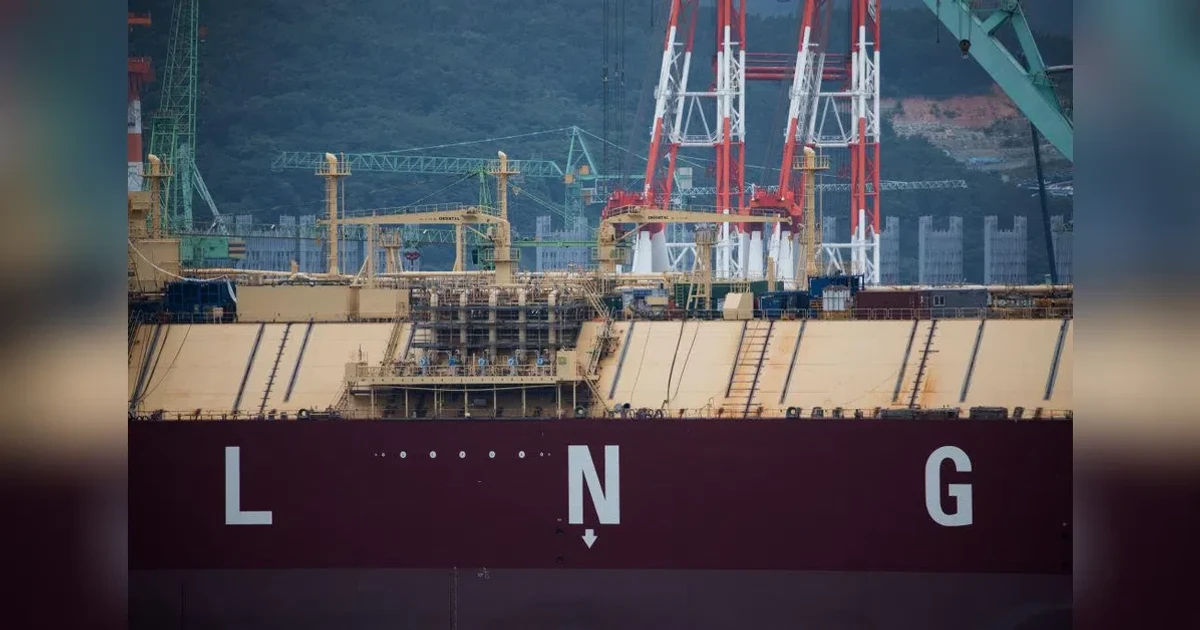
Shell is betting that liquefied natural gas will stay central to the energy mix for decades, even as wind and solar keep expanding. Its latest outlook says global LNG demand will rise to nearly 700 million tonnes a year by 2050, about 65% above 2025 levels, a forecast that puts Asia at the center of the next phase of gas demand.
The company’s LNG Outlook 2026 shows how far the market has already moved. Global LNG trade reached around 422 million tonnes in 2025, up roughly 21 million tonnes from 2024, even as new liquefaction projects in North America and weaker Asian imports partly offset reduced supply from the Middle East. Shell also sees demand reaching between 650 million and 710 million tonnes by 2040, a range that would leave the market 54% to 68% larger than in 2025.
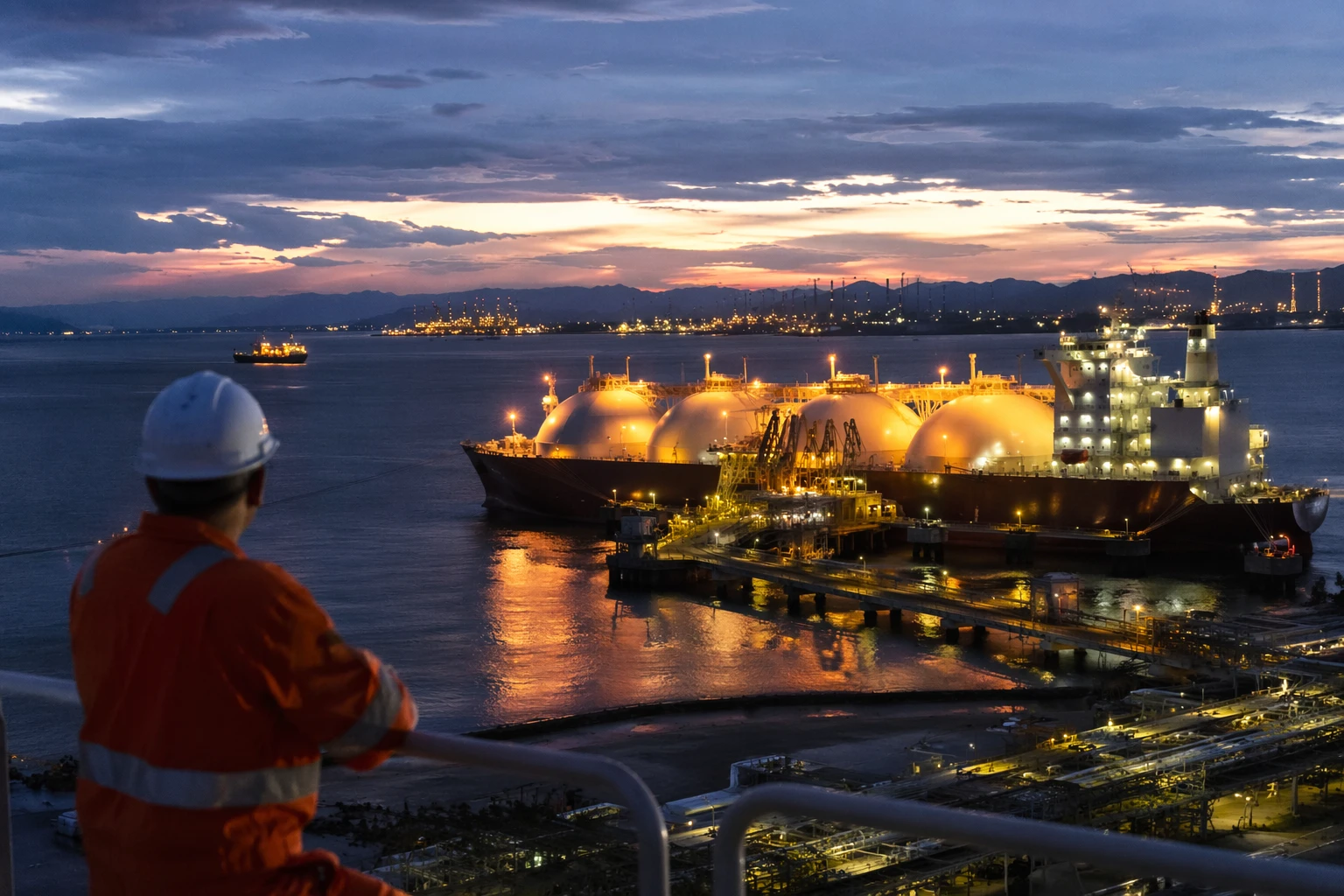
Asia is the key reason Shell thinks the long-term trend still points upward. The company says many countries in the region are looking for lower-emission alternatives to coal while electricity demand keeps rising from data centres and wider digital infrastructure. Yet the near-term picture is softer: Asian LNG imports in the first half of 2026 fell nearly 4% from a year earlier to 127.70 million tonnes, according to Kpler data cited by Shell and Reuters. That gap between short-term weakness and long-term growth underscores how volatile LNG can be year to year even when structural demand keeps expanding.
Price swings have added another layer to the story. Shell said Asian LNG spot prices rose above $20 per million British thermal units at the peak of the Middle East crisis, but stayed well below 2022 levels after Russia’s invasion of Ukraine. In Shell’s telling, that reflects a market that has become more resilient, not one that is losing strategic importance. The company’s outlook frames LNG as a source of “flexible and reliable energy security,” a line that speaks as much to governments balancing affordability and supply as to any emissions target.
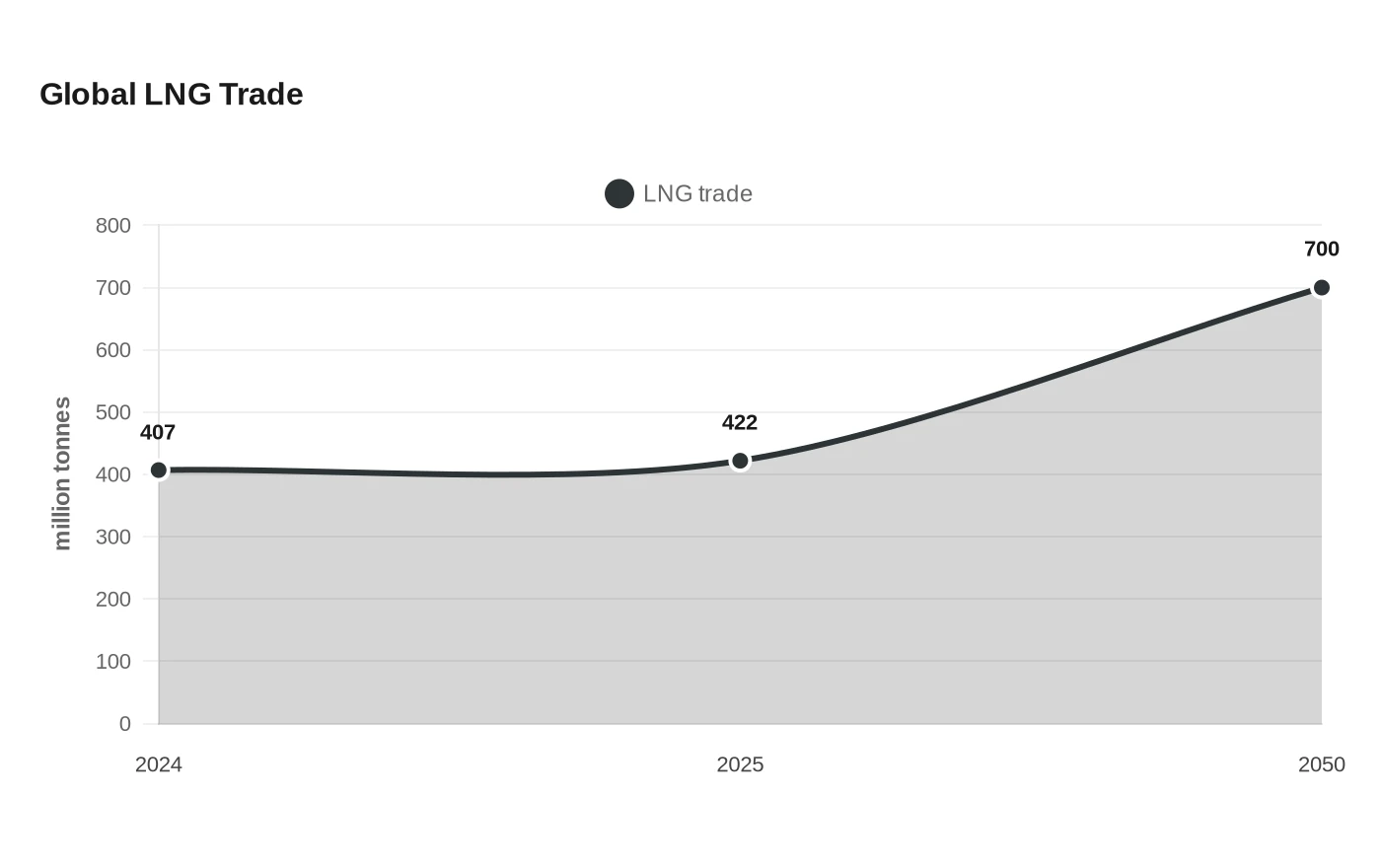
The numbers also raise a harder question about the energy transition narrative. Shell’s LNG portfolio materials say it supplied around 16% of global LNG in 2025 and served customers in around 30 countries, so its own commercial interests are tied to a larger gas market. At the same time, Shell’s 2025 outlook already warned that 2024 LNG trade rose only to 407 million tonnes, with just 2 million tonnes of new supply, the smallest annual increase in 10 years. That combination of tight supply, fast-growing power demand and new infrastructure needs means ports, pipelines, regasification terminals and shipping capacity could remain in demand far longer than many decarbonization plans assume.