Politics
Sherrill resists Trump demand for New Jersey voter data after registration error
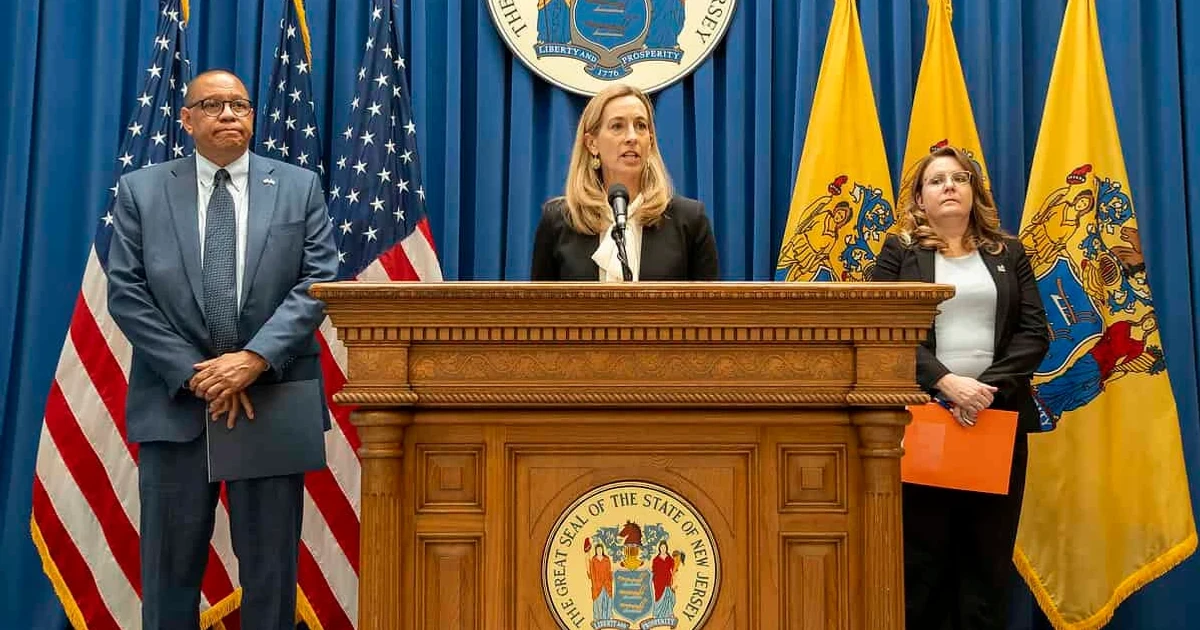
Mikie Sherrill refused to turn over the names, addresses and voting records of about 6,600 noncitizens that the Justice Department demanded after New Jersey uncovered a registration error tied to the state Motor Vehicle Commission. Sherrill said the software mistake, which affected registrations between 2023 and 2024, had put ineligible people on the voter rolls, and that fewer than 400 of them actually cast ballots.
The state’s disclosure sharpened a basic question of election credibility: how many improper registrations were administrative errors, and how many crossed into actual voting. Sherrill said the names were being removed from the rolls, but the federal government pressed for the identities and records of the affected registrants within five business days, arguing it needed the files to check whether more noncitizens were registered and to weigh possible enforcement action. One account said Justice Department officials warned noncitizens could face criminal prosecution.
Sherrill’s refusal pushed the dispute into a broader fight over voter data and state authority. The Justice Department’s demand, which New Jersey officials and voting-rights advocates viewed as sweeping, raised the risk that lawful residents or people caught in routine clerical mistakes could be swept into a federal probe alongside anyone who had actually broken the law. The New Jersey Institute for Social Justice moved to intervene in the federal case, arguing that the demand threatened voters of color and others.
The fallout quickly spread beyond Trenton. Republicans in New Jersey and in Congress pointed to the registration error as evidence for tighter voting rules, and GOP lawmakers used the case in the final push for the SAVE Act, a federal proposal that would require proof of citizenship for voter registration. The Brennan Center for Justice says the Justice Department has demanded voter files from at least 27 states, putting New Jersey inside a wider campaign to collect election records.

The federal case also became part of a civil-rights fight. The New Jersey Globe said the Justice Department’s move escalated the matter into a federal civil rights investigation. Later, New Jersey moved to cull improper registrations and send some cases to counties for review, a sign that the state cleanup process had to catch mistakes after they had already reached the rolls.
Sources
- [1]nytimes.com
- [2]reuters.com
- [3]cbsnews.com
- [4]politico.com
- [5]abcnews.com
- [6]newjerseyglobe.com
- [7]njisj.org
- [8]brennancenter.org
- [9]votebeat.org
- [10]newjerseymonitor.com
- [11]apnews.com