World
Shield AI drone helps Ukraine target Russian oil rig platform
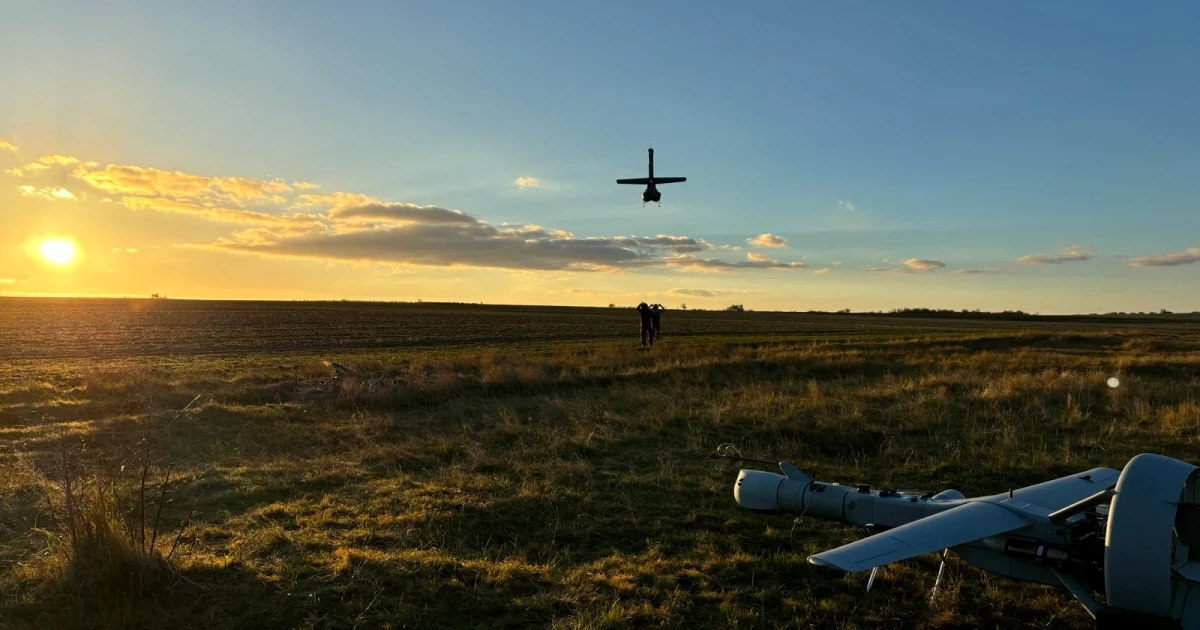
Shield AI’s V-BAT drone helped Ukrainian operators spot a Russian platform on an oil rig in early March, a strike that Ukraine’s navy says destroyed a key asset Moscow had used for attacks into neighboring regions. The engagement cost Russia more than $1.5 million in military equipment and showed how a U.S.-made system can shape cross-border strikes without any U.S. troops on the ground.
Shield AI opened a Kyiv office and began training with Ukraine’s Unmanned Systems Forces on Jan. 15, 2025. By April 17, the company said its Kyiv-based team had flown more than 130 V-BAT sorties in Ukraine, working in harsh electronic-warfare conditions and using the aircraft for both training and operational missions. The company said the drone had proved useful in GPS-denied and communications-denied environments, including against Russian surface-to-air missile systems while jammed.
The growing role of the aircraft has tracked a wider shift in the U.S.-Ukraine defense relationship. In fall 2022, Jake Sullivan met with top U.S. defense-tech firms to explore how to supply drones to Ukraine and support Ukraine’s own drone industry, an acknowledgment that unmanned systems would be central to the war and to future conflicts. By January 2025, Shield AI president Brandon Tseng was describing the arrangement as a way to help Ukraine launch long-range, jam-resistant strikes, and said demand in the region exceeded 120 V-BATs.
The company’s work has since moved beyond surveillance. In September 2025, James Lythgoe said Shield AI had donated four aircraft to a unit within Ukraine’s Unmanned Systems Forces and was pairing V-BAT with a Ukrainian strike platform so targeting data could move faster through its Hivemind autonomy software. Lythgoe said the goal was to own the full kill chain, and that the integrated system was expected to become operational before the end of 2025.
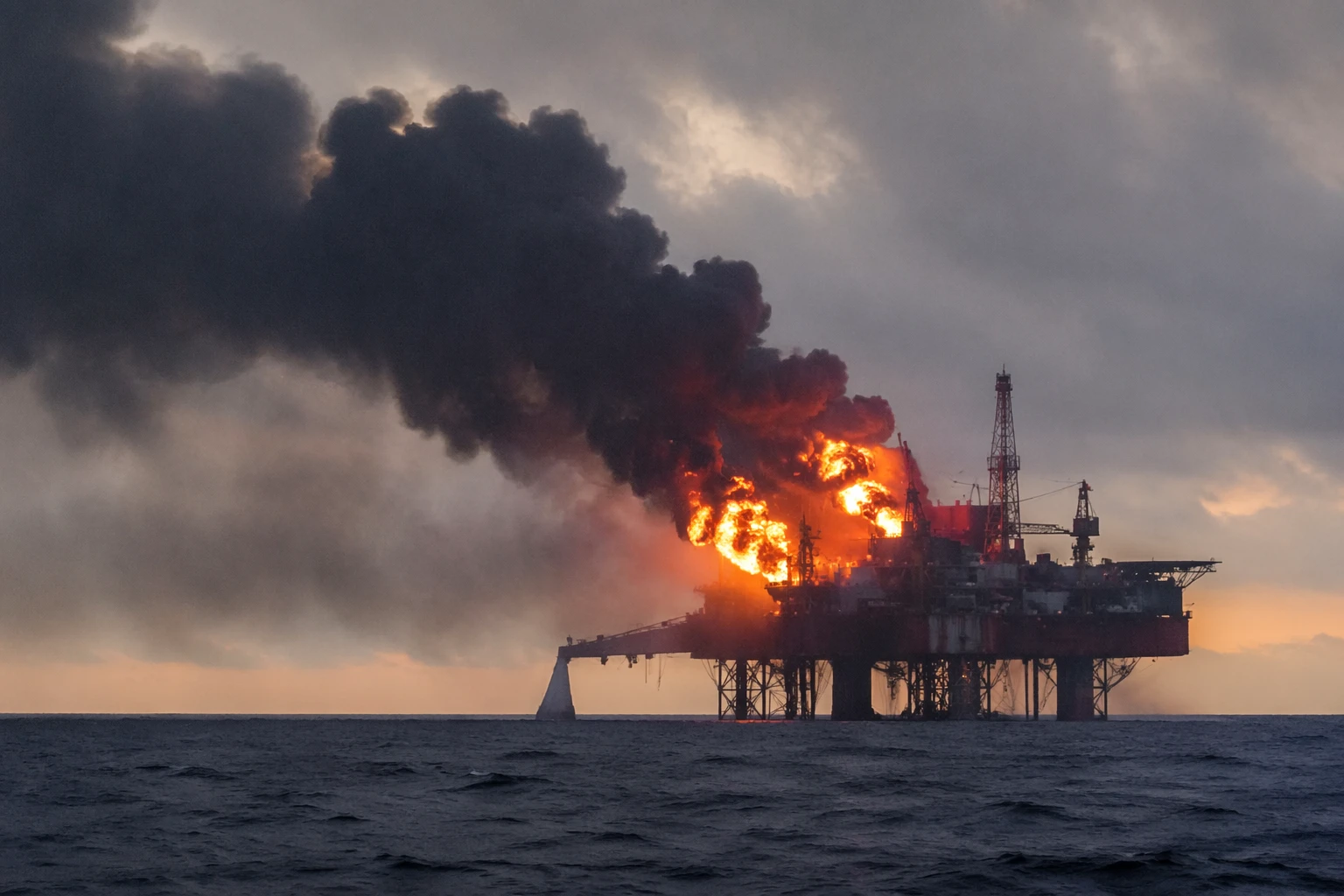
The battlefield results have been visible across the Black Sea and beyond. In June 2026, Ukraine nearly doubled its strikes more than 30 miles past Russia’s front lines. On June 25, Volodymyr Zelenskyy said he had approved a 40-day Security Service of Ukraine operation aimed at forcing Russia to end the war. Ukrainian officials have framed the expanding drone campaign as a way to isolate occupied Crimea and hit Russia’s fuel and logistics networks.
That pressure campaign intensified in early July, when Ukrainian drones struck a dozen tankers from Russia’s shadow fleet over two days and then hit nine more vessels in the Sea of Azov, each roughly 7,000 deadweight tons. The tankers were said to be carrying fuel to Crimea and were under sanctions. Together, the attacks show how American technology, Ukrainian autonomy, and long-range strike doctrine have fused into a single campaign that now reaches deep into Russian-held and Russian territory.
Sources
- [1]cbsnews.com
- [2]shield.ai
- [3]defenseone.com
- [4]janes.com
- [5]usnews.com