World
Shiite mourners across Middle East mark Ashoura amid conflict wounds

Shiite mourners gathered Friday in Iran, Iraq, Lebanon and beyond for Ashoura, filling streets with chest-beating, elegies and self-flagellation as a centuries-old rite collided with the region’s newest wounds. In Lebanon, the commemoration unfolded in neighborhoods scarred by damage and destruction, where mourners in Nabatiyeh beat their chests in procession and carried photographs of relatives lost in war.
Ashoura falls on the 10th day of Muharram and closes a 10-day mourning period for Imam Hussein, the grandson of the Prophet Muhammad, who was killed at Karbala in 680 CE after refusing to pledge allegiance to Caliph Yazid. For Shiites, the day is the holiest on the calendar and a public marker of grief, resistance and identity, especially when violence makes the symbolism feel immediate.
The political weight was sharpened by the death of Ayatollah Ali Khamenei, 86, Iran’s top political and religious leader since 1989, who was killed in a joint U.S.-Israeli airstrike on his compound in February. State media set funeral ceremonies for July 4 in Tehran, followed by Qom on July 7 and burial in Mashhad on July 9, extending the shadow of the conflict into the religious calendar.
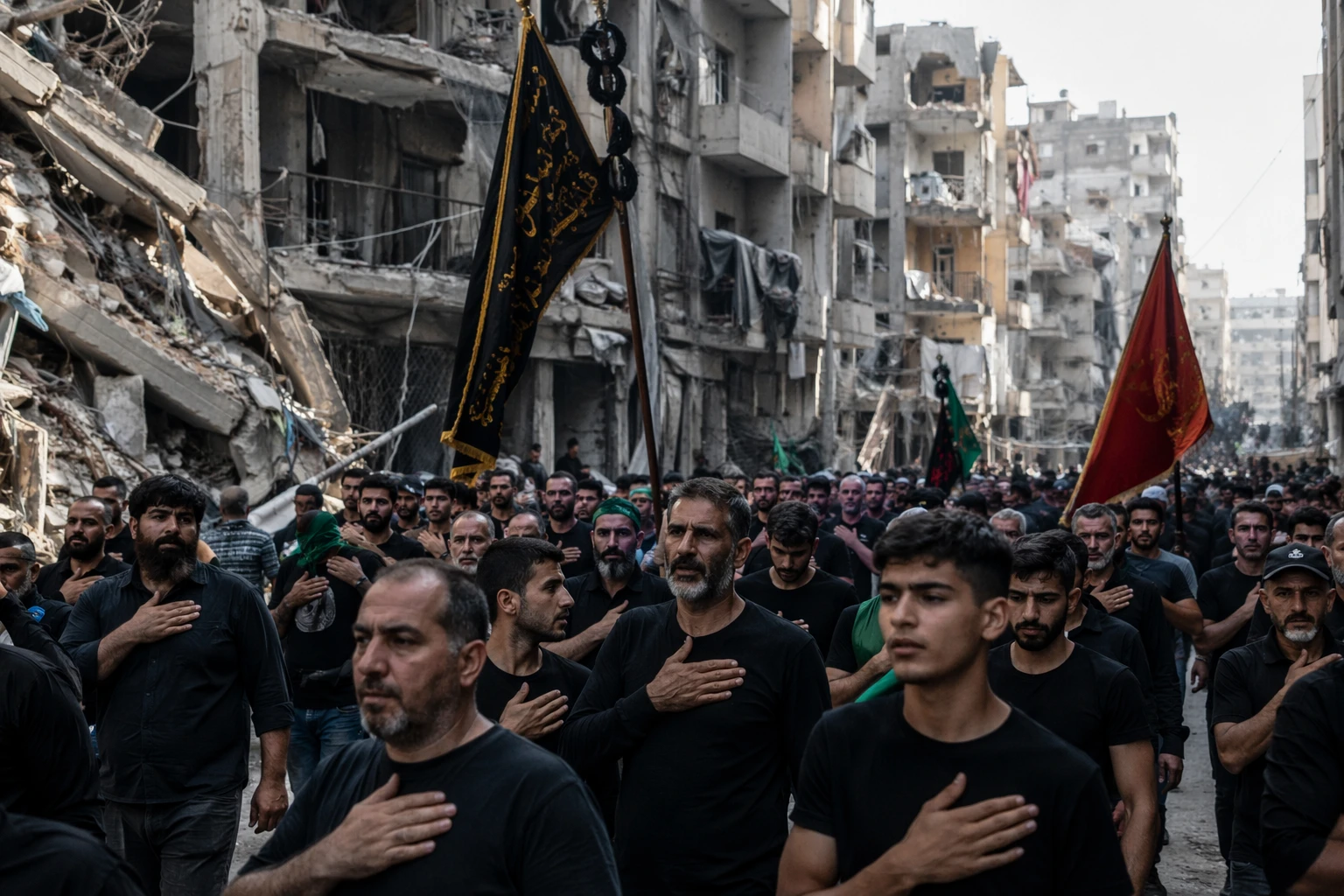
In Iraq, Ashoura remains most intense in Karbala, where Hussein is buried and where millions of Shiites visit the shrine each year. In Baghdad, some mourners slashed their heads with razors as part of the annual display of sorrow. The ritual also carried a pointed message for many participants: Hussein’s death has long stood as a rebuke to tyranny, and that reading resonated anew after the war between Iran and Israel and the United States.
Lebanon’s observances bore the clearest marks of the fighting with Israel. More than one million displaced Lebanese people were still trying to return to villages in the south, while sermons were held among rubble and ruins in Shiite areas. In Beirut’s southern suburbs, mourners gathered at a shrine to Hezbollah’s former leader Hassan Nasrallah, killed in Israeli strikes in 2024, and women held up photographs of sons, brothers and Hezbollah figures killed in the war.
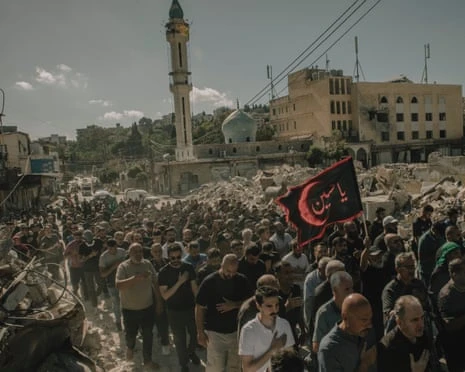
In Tyre, families of people killed fighting with Hezbollah or serving as paramedics wept during a sermon on the third day of Muharram. Clerics drew a direct line from those losses to Karbala, comparing the wartime sacrifices of modern fighters and medics to Hussein and his companions, a reminder that Ashoura now registers not only as mourning, but as a live measure of anger, solidarity and state messaging across the Middle East.
Sources
- [1]usnews.com
- [2]wjbf.com
- [3]ksat.com
- [4]aljazeera.com
- [5]apnews.com