Health
Shingles Risk Is Rising—Here’s What You Need to Know
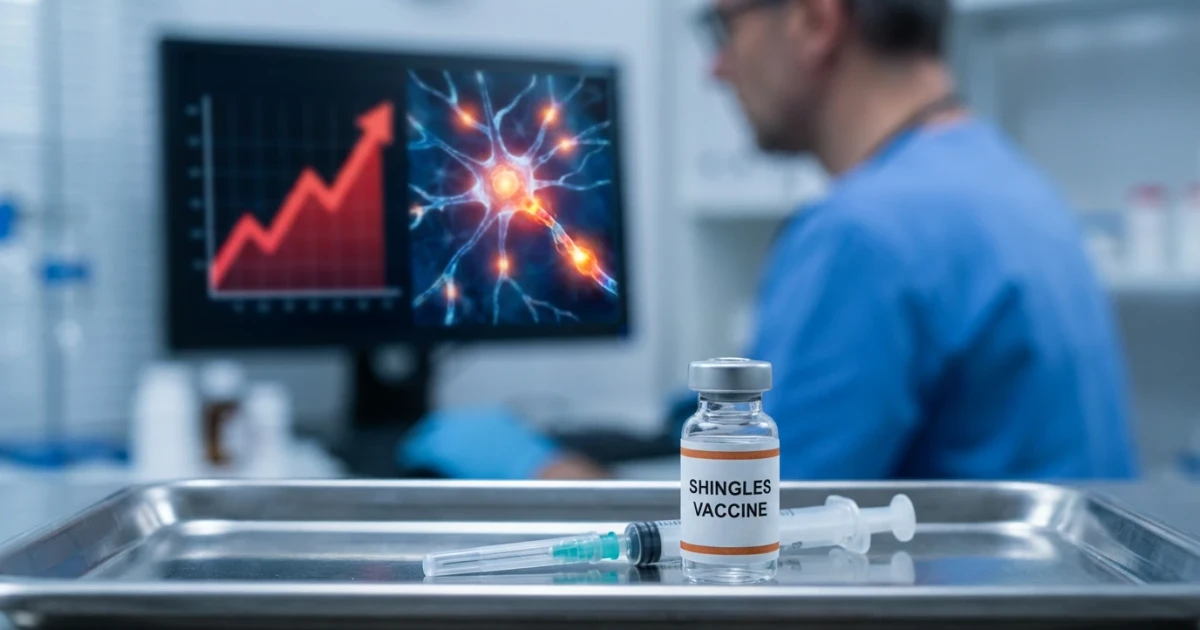
Shingles, a painful and sometimes debilitating disease, is making headlines as cases rise and younger adults are increasingly affected. While many think of shingles as a concern only for the elderly, recent analysis and public health data suggest that this risk is broader—and that prevention is more important than ever.
Understanding Shingles and Its Impact
Shingles, also known as herpes zoster, is caused by the reactivation of the varicella-zoster virus—the same virus responsible for chickenpox. After an individual recovers from chickenpox, the virus remains dormant in the body and can reactivate years later, causing shingles. Symptoms include a painful, blistering rash, which can sometimes lead to complications such as postherpetic neuralgia, a chronic nerve pain that may persist long after the rash fades.
According to CDC surveillance data, about 1 in 3 Americans will develop shingles in their lifetime. The risk increases with age, but it is not exclusive to older adults. Recent reporting by WIRED highlights that cases among people in their 30s and 40s are not uncommon, challenging the misconception that only seniors are vulnerable.
What’s Driving Increased Concern?
- The incidence of shingles has been gradually rising over the past few decades in the United States, with public health experts pointing to an aging population, weakened immunity due to stress or illness, and possibly lower natural boosting of immunity due to widespread chickenpox vaccination in children.
- WIRED and NPR both emphasize that the strongest protective factor against an outbreak is immunity—either from prior exposure or vaccination.
- Shingles can strike at any age after a person has had chickenpox, and the effects can be severe, including vision loss if the virus affects the eye, and long-lasting nerve pain.
The Role of the Shingles Vaccine
Vaccination is the most effective way to prevent shingles and its complications. The CDC recommends the Shingrix vaccine for adults 50 and older, and for some immunocompromised adults age 19 and up. Shingrix is more than 90% effective at preventing shingles and postherpetic neuralgia.
- Despite its effectiveness, shingles vaccination rates remain moderate, with just over 35% of eligible U.S. adults having received at least one dose as of the latest CDC data.
- Many adults remain unaware of their risk, especially those under 50 or those with compromised immune systems who may benefit from earlier vaccination.
Symptoms, Complications, and Prevention
Shingles typically begins with pain, itching, or tingling on one side of the body or face, followed by a rash. The pain from shingles can be severe, and about 10-18% of those who get shingles will experience postherpetic neuralgia.
- Other possible complications include vision loss, pneumonia, hearing problems, and in rare cases, death.
- The CDC vaccination schedule lists Shingrix as a recommended vaccine for adults, with specific guidance for those with weakened immune systems.
What Should You Do?
Experts stress that anyone who has had chickenpox is at risk for shingles, even if they are healthy and younger than 50. While the vaccine isn’t currently recommended for everyone under 50, people with certain health conditions should consult their doctor about their risk and eligibility for earlier vaccination.
WIRED’s reporting underscores the importance of awareness: Many people don’t realize shingles can strike in midlife, or that the pain and complications can be life-altering. Getting vaccinated as soon as you’re eligible remains the best protection.
Looking Ahead
With the burden of shingles expected to rise as the population ages, public health officials are calling for broader awareness, earlier conversations about vaccination, and greater uptake among those at risk. As more adults recognize their susceptibility and the powerful protection offered by vaccination, experts are hopeful that the tide will turn on this often-overlooked disease.