Health
Shingles vaccine linked to lower dementia risk in older adults
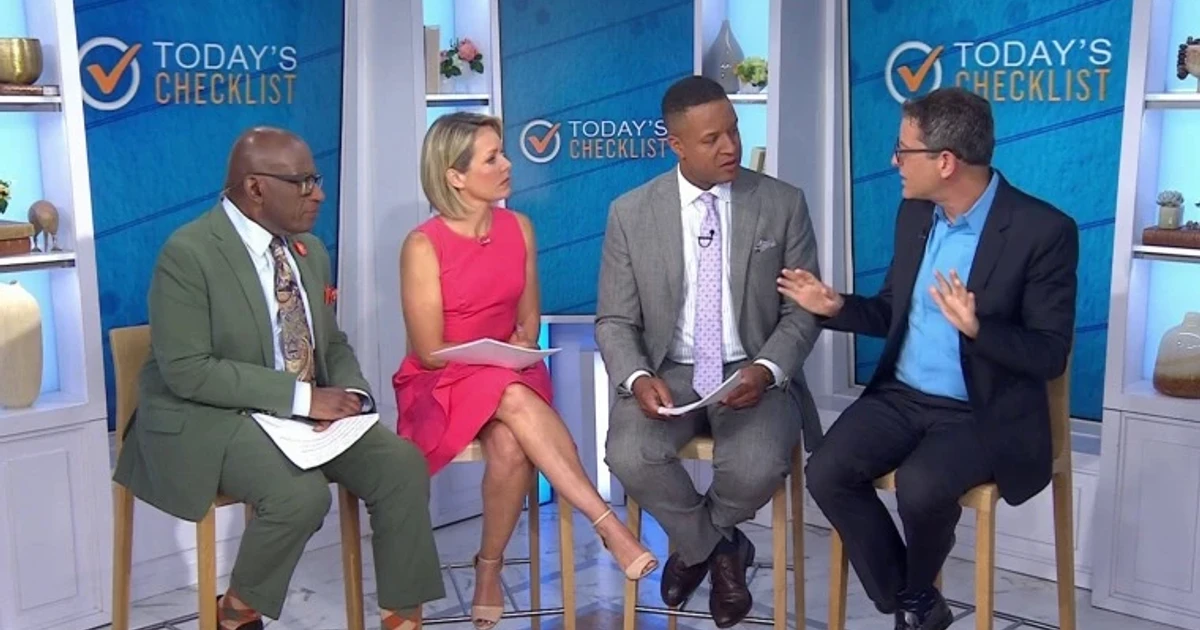
A Stanford-led analysis of older adults in Wales found that people who received the shingles vaccine were about 20% less likely to develop dementia over the next seven years, a result that has intensified interest in whether preventing shingles may also help protect the brain.
The Wales rollout offered researchers a rare natural experiment. Eligibility for vaccination was set by exact date of birth, which made vaccinated and unvaccinated older adults more comparable than in a typical observational study. That design matters because dementia research is especially vulnerable to confounding, with differences in health status, medical care, and preventive behavior often muddying the picture.
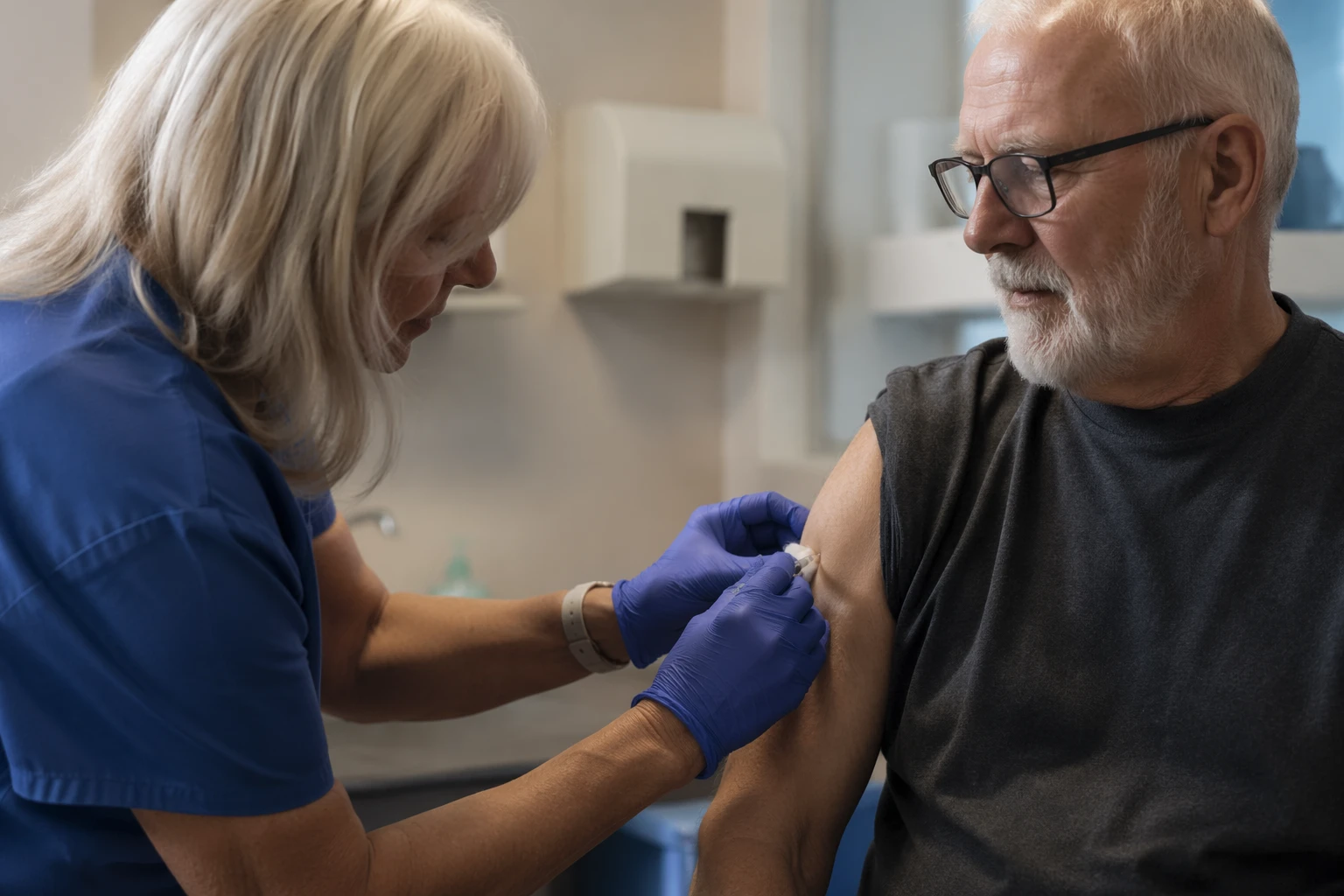
Researchers are now trying to explain why the association keeps appearing. Shingles comes from reactivation of the varicella-zoster virus, and scientists have been examining whether herpesvirus infections, and the inflammation they trigger, could contribute to dementia. A 2024 Nature Medicine study found that the recombinant shingles vaccine was associated with lower dementia risk than influenza and tetanus-diphtheria-pertussis vaccines. A 2025 Nature study found that AS01-adjuvanted shingles vaccination was linked to lower dementia risk, while the mechanism remained unclear. Another study in Nature Communications reported a 51% reduction in dementia risk among adults 65 and older who received two doses of recombinant zoster vaccine.
The vaccine at the center of the discussion is Shingrix, the recombinant, two-dose shingles shot made by GlaxoSmithKline. The Centers for Disease Control and Prevention recommends it for adults 50 and older and for immunocompromised adults 19 and older. In adults 50 and older with healthy immune systems, the CDC says Shingrix is more than 90% effective at preventing shingles and postherpetic neuralgia, which gives it an established public-health role even before any dementia benefit is considered.
For clinicians, families and policymakers, the question is now how to separate a promising signal from a practice-changing finding. The repeated associations are strong enough to justify serious attention, especially because the vaccine is already in routine use for millions of eligible older adults. But medical guidance would need more than correlation: it would need replication across populations, clearer biological mechanisms, and ideally randomized evidence showing that the vaccine itself lowers dementia risk rather than simply marking people who differ in other ways. NIH has announced a 2026 workshop focused on the evidence and the possible biological mechanisms, underscoring how much scientific and policy attention the question has drawn.
Sources
- [1]nbcnews.com
- [2]med.stanford.edu
- [3]news.stanford.edu
- [4]nature.com
- [5]cdc.gov
- [6]mregs.nih.gov