Technology
Shinkei's Poseidon robot brings humane fish killing to commercial fleets
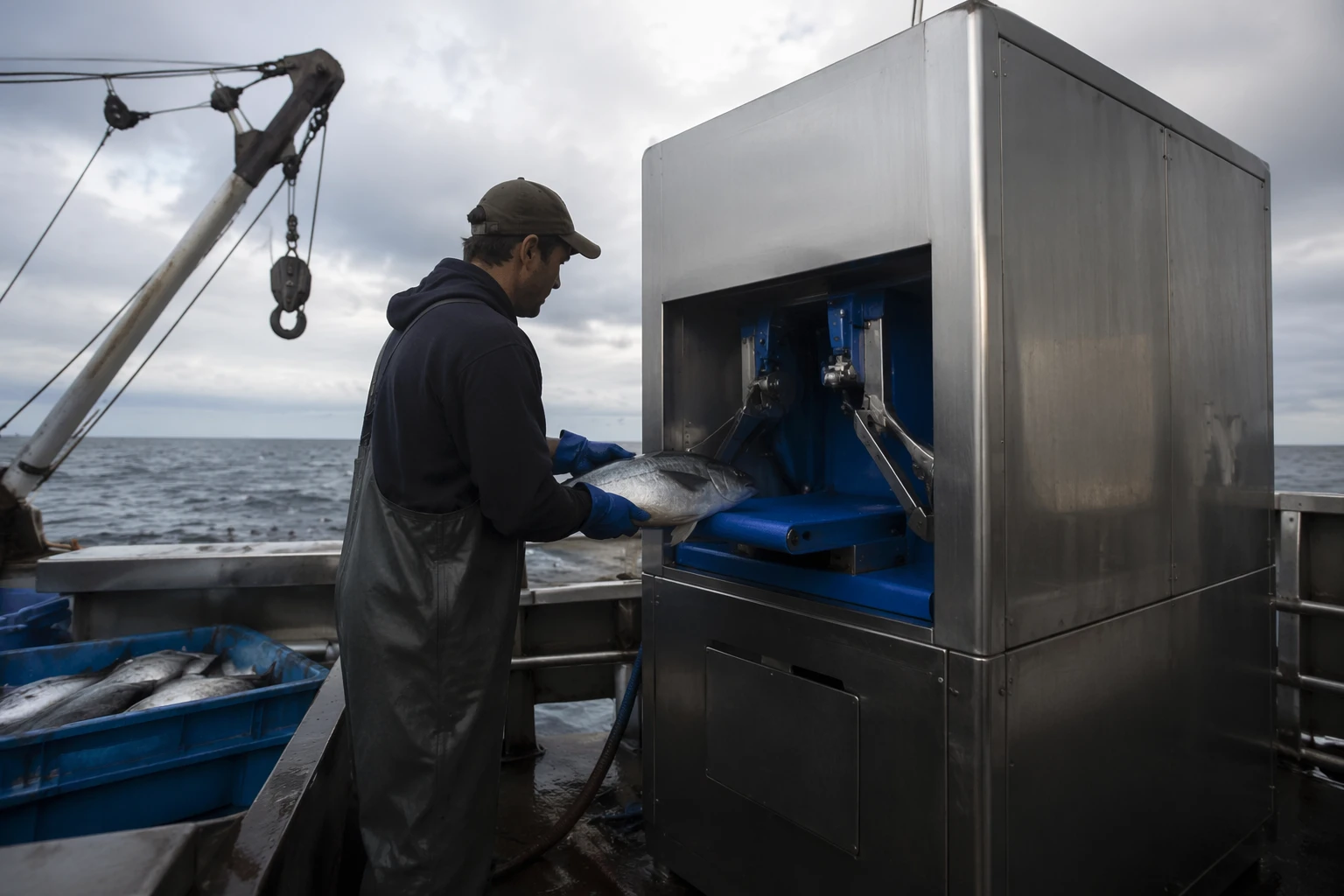
Poseidon rides aboard commercial fishing boats as a refrigerator-sized test of whether humane seafood processing can move from a high-end promise to a national standard. Shinkei says the robot scans each fish with computer vision, identifies the species, locates the brain, and makes precise cuts fast enough to end suffering before the catch spends minutes, or even roughly an hour, suffocating on deck.
The company is trying to industrialize ike jime, a centuries-old Japanese method that pierces the brain and cuts the gills to preserve quality at the moment of catch. Shinkei says its version is backed by real science and data: the fish lose consciousness right away, stress and acidity in the meat are reduced, bacterial growth slows, and shelf life can improve by as much as three times. That matters not just to diners, but to the economics of a seafood system where waste, spoilage, and low margins can punish everyone from crews to buyers.
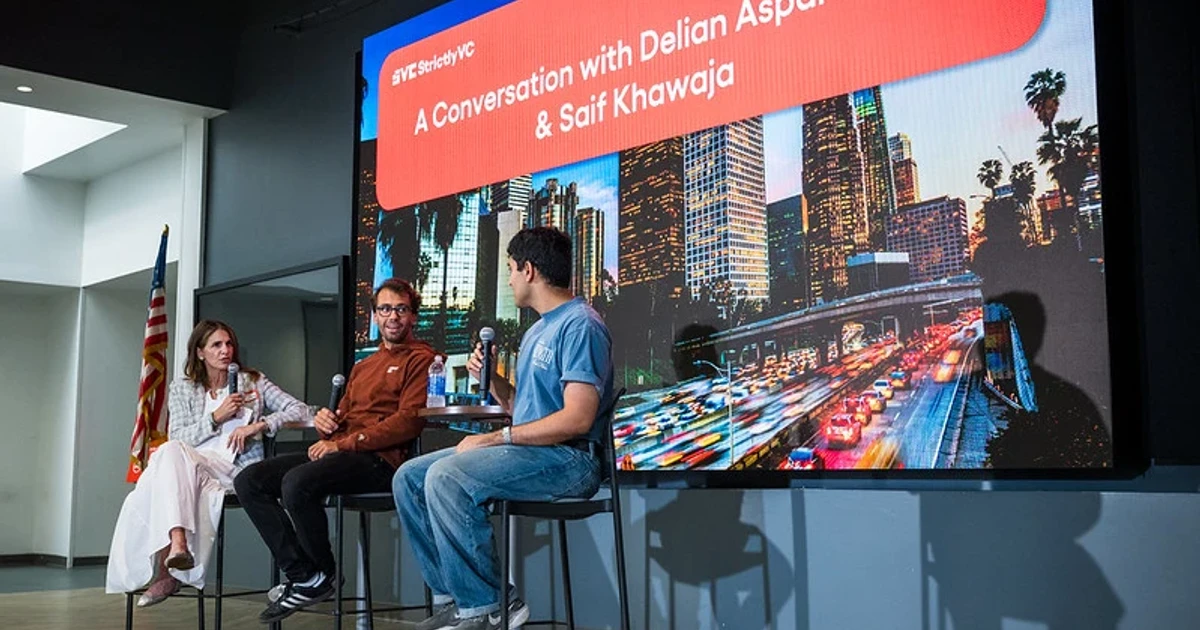
Shinkei was founded in April 2021 by Saif Khawaja and Reed Ginsberg in Los Angeles and El Segundo, California. Khawaja, who grew up fishing with family in the Middle East, has said a college essay about fish suffering helped shape the company’s mission. The business now stretches far beyond hardware: it gives Poseidon technology to fishing vessels free of charge, buys catch back from fishermen at a premium, and sells seafood through its consumer brand Seremoni, which launched in 2024. Shinkei also says Seremoni Grade helps move Poseidon-processed fish through the cold chain with lower quality-control costs, tighter segmentation, and dynamic pricing.
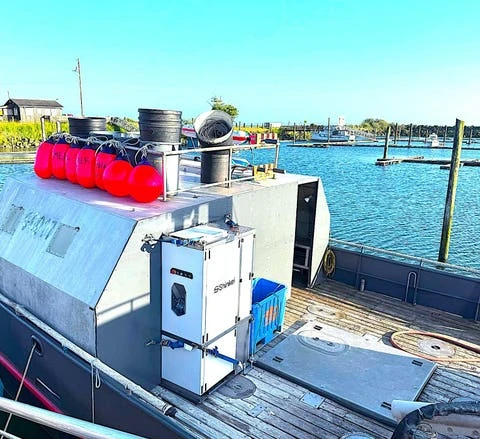
The scale has grown quickly. In June 2025, Shinkei raised a $22 million Series A led by Founders Fund and Interlagos, bringing total funding to $30 million. Yamato Holdings invested through KURONEKO Innovation Fund II. By November 2025, one profile said eight Poseidons were in use on commercial fishing boats off America’s coasts, while Shinkei said its fleet was processing thousands of fish daily across six U.S. regions: the Pacific Northwest, California, the Atlantic, the Gulf Coast, Alaska, and New England.
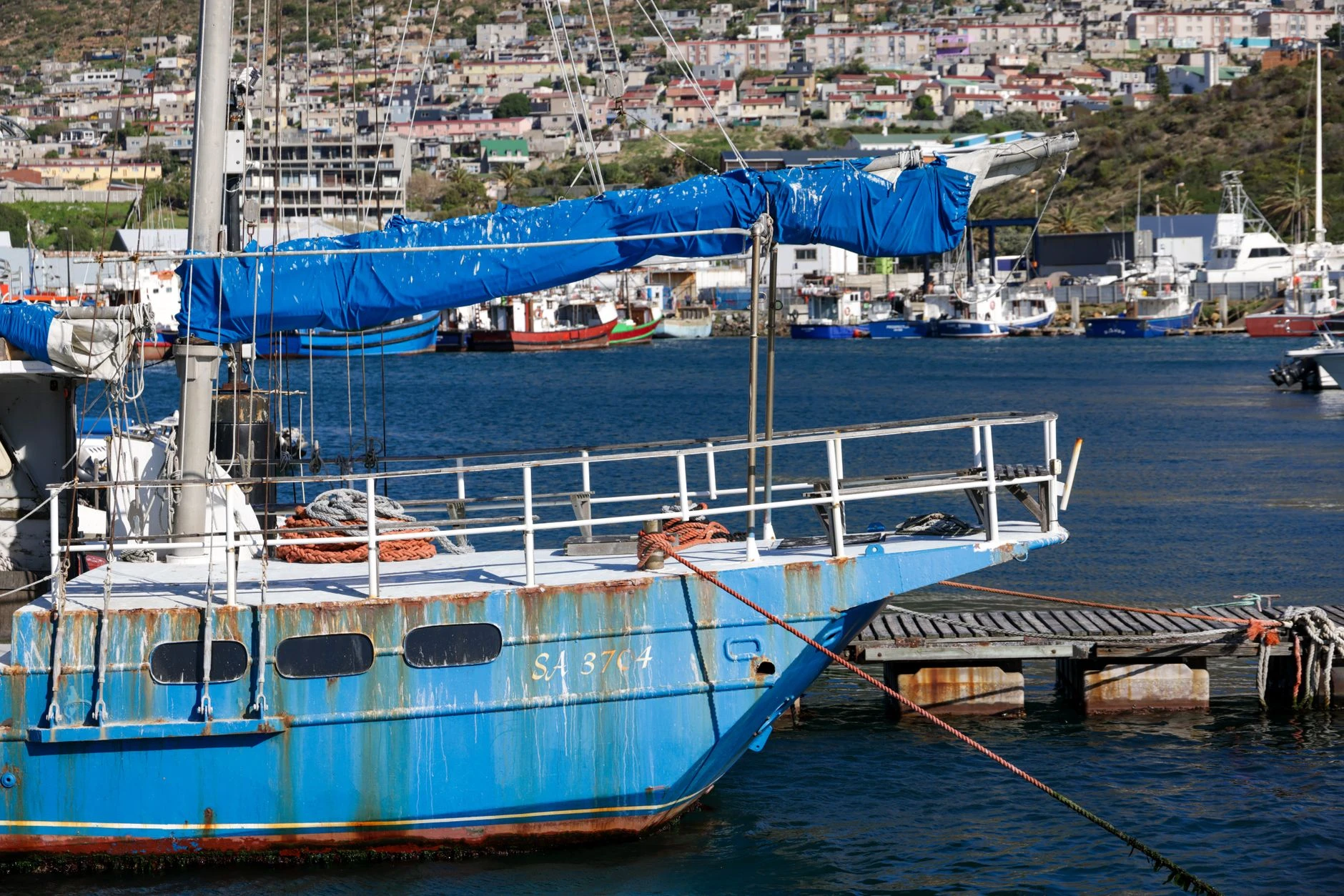
Shinkei says its system is deployed across ships in the Atlantic and Pacific Oceans, with distribution in cities including San Francisco, Los Angeles, Chicago, Las Vegas, Miami, Austin, Minneapolis, Denver, Boston, and New York. Reported customers include Sushi Zo in Los Angeles. The larger question is whether that footprint marks the beginning of a broader seafood shift, or whether humane processing will remain a premium promise for only the best-positioned buyers.
Sources
- [1]techcrunch.com
- [2]agfundernews.com
- [3]yamato-hd.co.jp
- [4]shinkei.systems
- [5]inc.com
- [6]labusinessjournal.com