World
Ship traffic through Bab el-Mandeb hits weekly high, easing trade fears
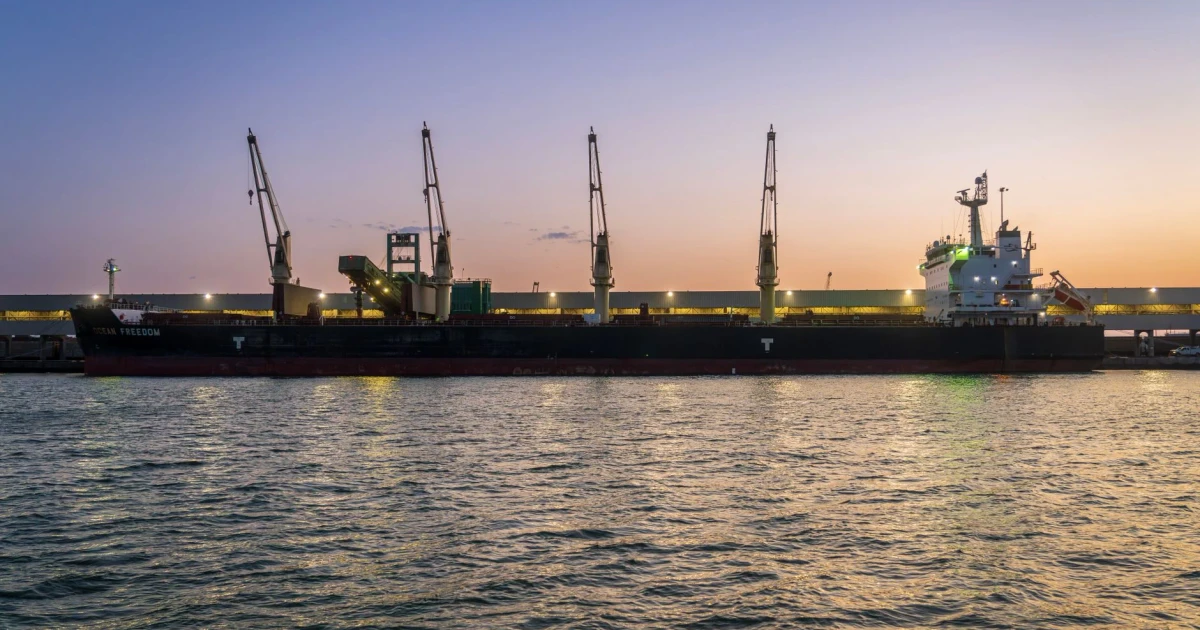
Thirty-seven commodity ships passed through Bab el-Mandeb on Tuesday, the highest total since July 19, as traffic through the Red Sea chokepoint moved up from a sharp slump. Kpler ship-tracking data showed 20 vessels entered the strait and 17 exited it, a small but closely watched pickup for a passage that links the Red Sea with the Gulf of Aden and onward to Europe, Asia and the Middle East.
The increase followed a volatile few days. Twenty-eight vessels crossed Bab el-Mandeb on Monday, a four-day high, after traffic fell on July 26 when Yemeni Houthis attacked Saudi oil installations along the Red Sea coast. Reuters also reported on July 27 that Red Sea shipping had slowed after a Houthi attack on Saudi Arabia, underscoring how quickly routing decisions can change when security risks rise.
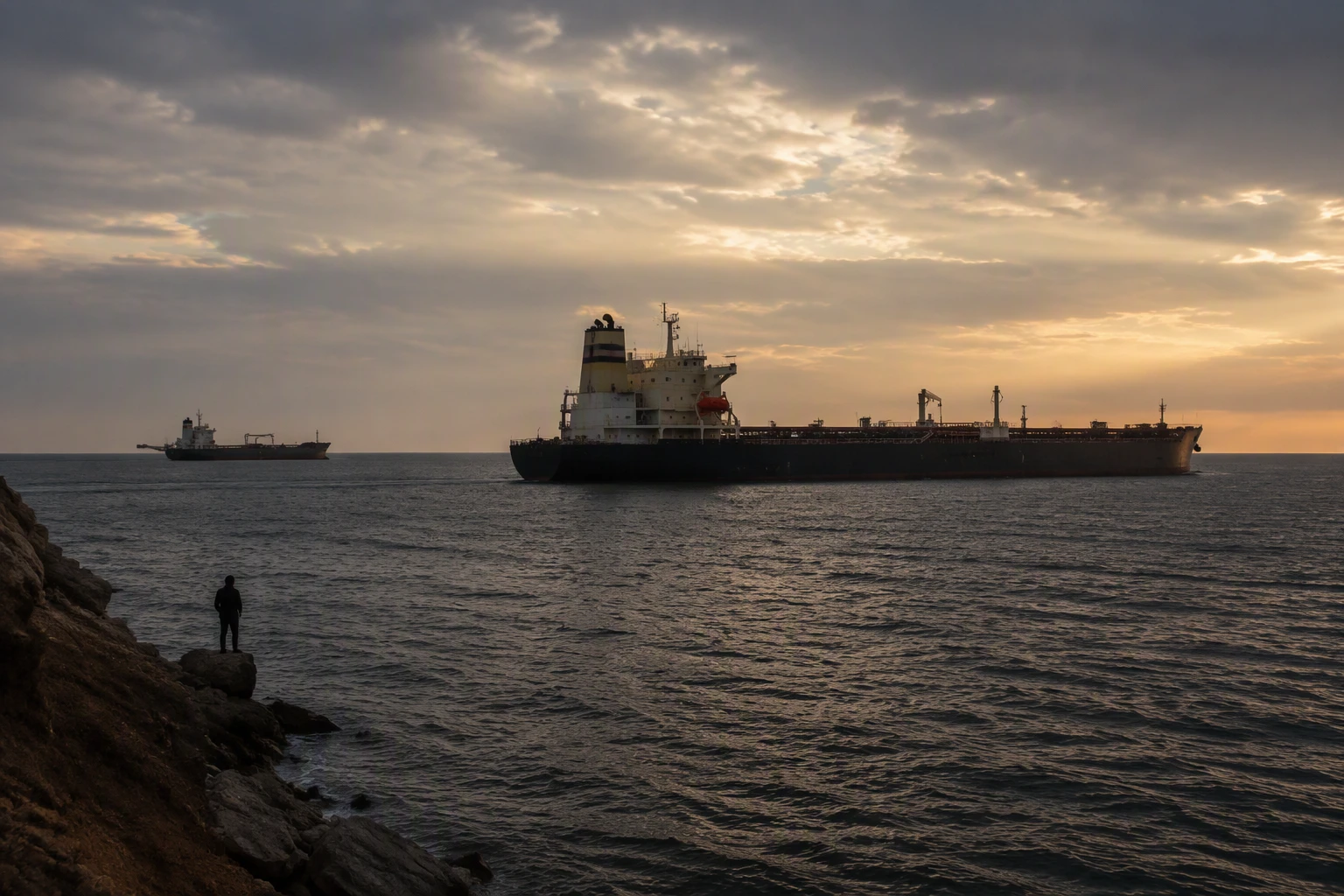
Bab el-Mandeb remains one of the world’s critical oil transit chokepoints, according to the U.S. Energy Information Administration. The U.S. Maritime Administration said in its 2025-012 advisory that the Houthis attacked and sank the bulk carriers Magic Seas and Eternity C in July 2025, a precedent that still hangs over shippers weighing whether to sail through the corridor or divert around Africa. The International Transport Forum and the OECD described the Red Sea crisis in a 2024 background paper as a critical flashpoint that disrupted global shipping and maritime transport.
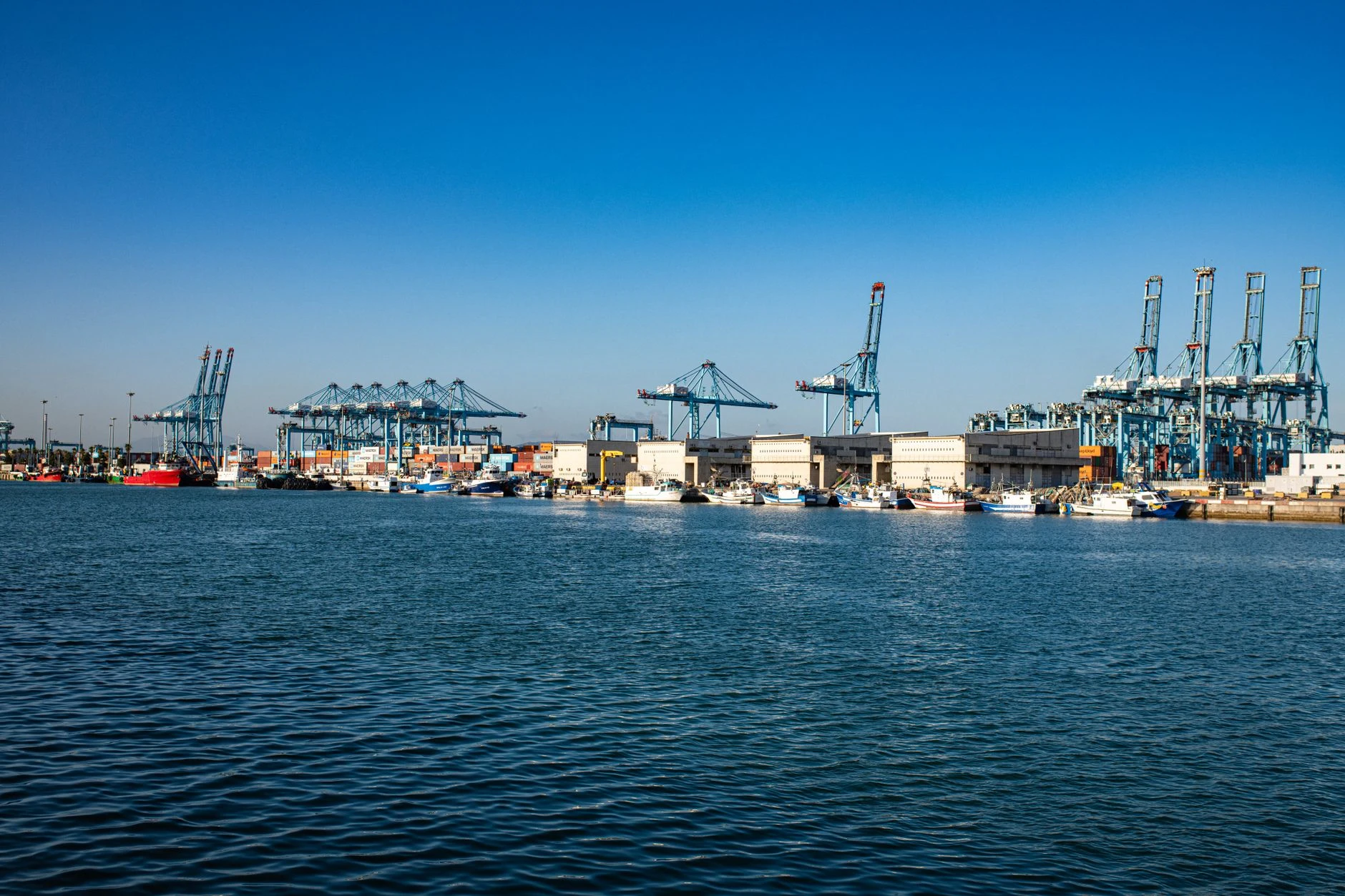
The costs of that disruption have been severe. The World Bank said vessel traffic through the Suez Canal and Bab el-Mandeb Strait had fallen by three-fourths by the end of 2024 compared with pre-crisis levels, while navigation volumes around the Cape of Good Hope surged by more than 50 percent as ships detoured. That rerouting adds days or weeks to voyages, raises fuel use and pushes up freight and insurance costs, with knock-on effects for oil prices, port volumes and imported goods.
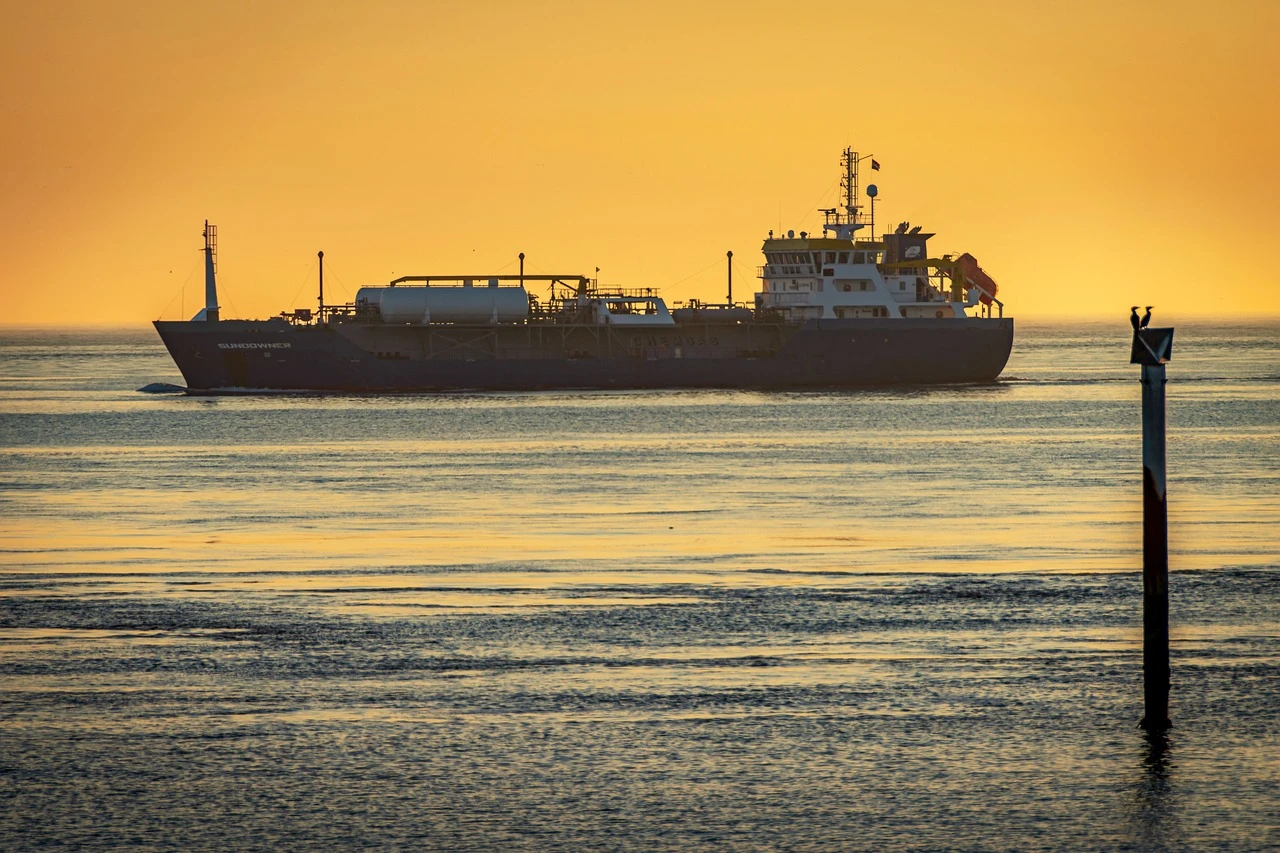
The latest increase in transits suggested some carriers were testing whether conditions had improved enough to move vessels more normally, even as the route stayed exposed to fresh shocks. On July 29, Yemen’s Houthis were also said to be considering fees for ships sailing through the Red Sea, a reminder that the price of passage could rise even if traffic holds up. For shipping lines, insurers and energy markets, the count of ships through Bab el-Mandeb remained a real-time measure of confidence, and of how fragile that confidence still was.
Sources
- [1]reuters.com
- [2]eia.gov
- [3]maritime.dot.gov
- [4]itf-oecd.org
- [5]documents1.worldbank.org