Business
Shipping companies stay cautious as Strait of Hormuz traffic collapses
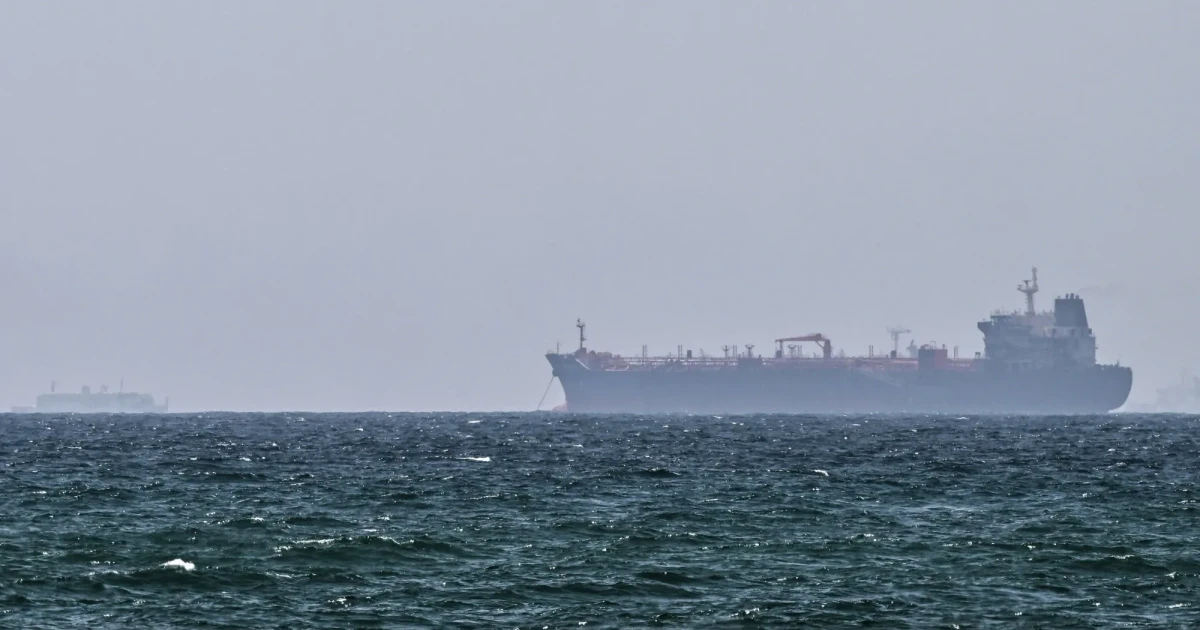
Caution in the Strait of Hormuz is already carrying a price tag for U.S. consumers. Even before any formal shutdown, higher war-risk insurance, delayed sailings and rerouting have pushed freight and fuel costs higher, showing how uncertainty alone can tighten global oil markets.
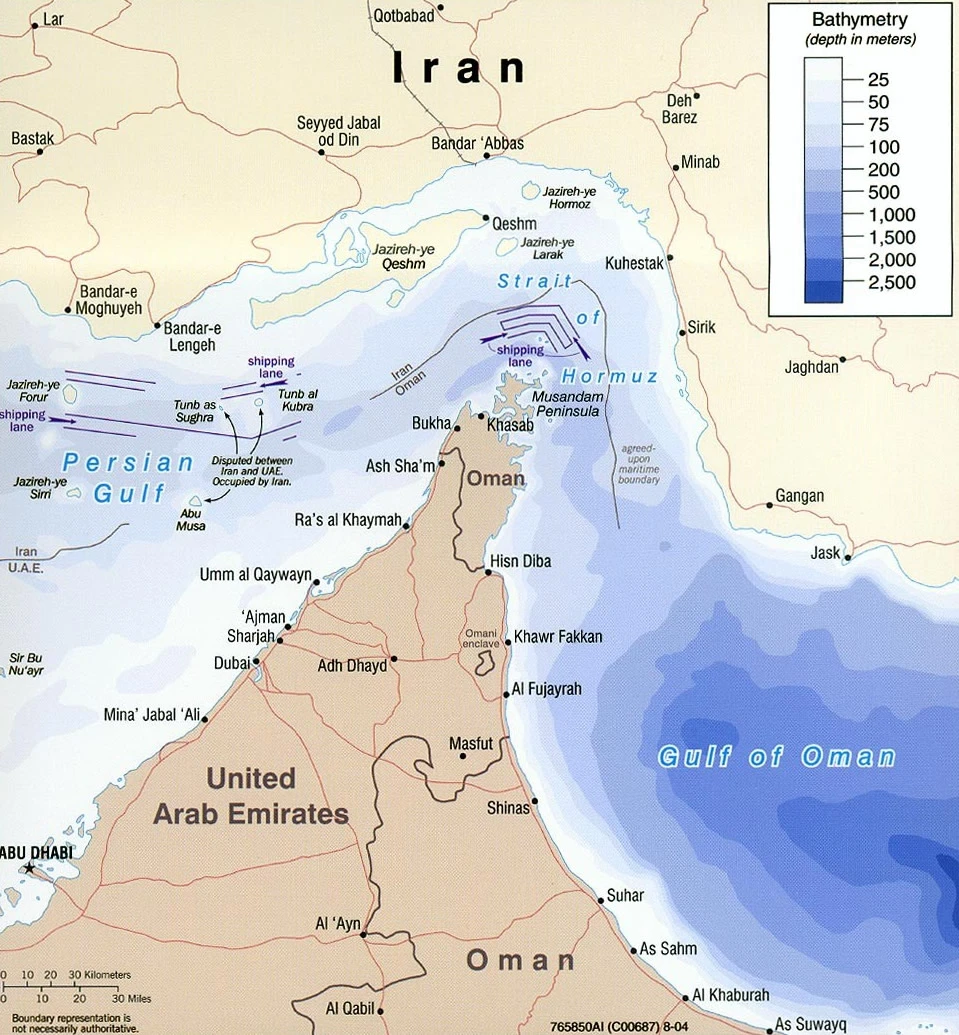
The chokepoint remains one of the world’s most important energy arteries. The U.S. Energy Information Administration said oil flow through the strait averaged about 20 million barrels per day in 2024, roughly 20% of global petroleum liquids consumption, while the International Energy Agency said it handled an average of 20 million barrels per day of crude oil and oil products in 2025. At its narrowest point, the waterway is only about 29 nautical miles wide, with two-mile-wide inbound and outbound lanes and a buffer zone, leaving very little room for ships to maneuver if traffic falters.
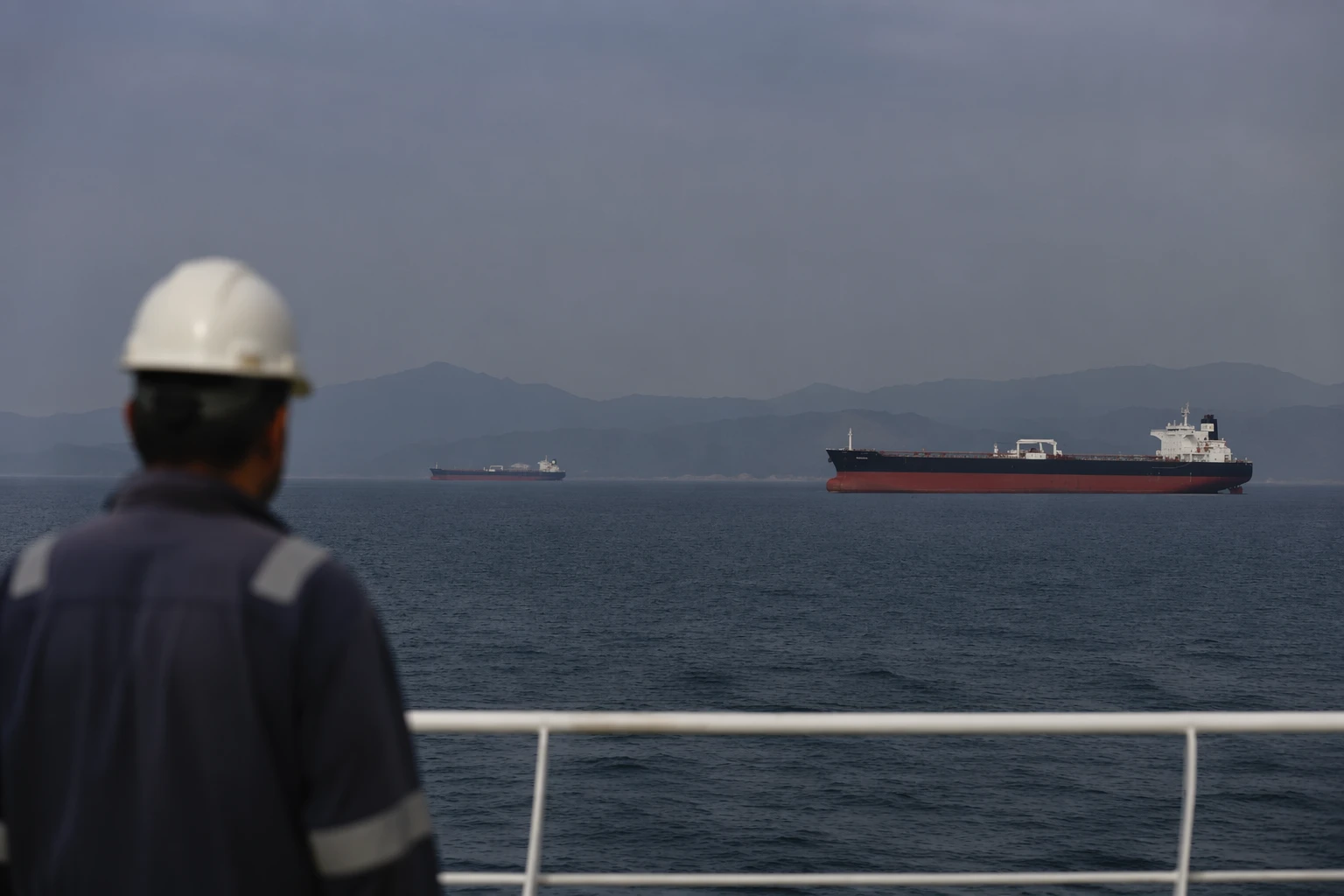
That fragility was visible in the shipping data. Lloyd’s List said traceable vessel transits through the Strait of Hormuz were down 81% on Sunday, March 1, 2026, from Sunday, February 22. It also reported that about 200 compliant crude and product tankers were stranded in the Gulf in early March, while 60 compliant VLCCs were inside the Gulf, nearly 8% of non-sanctioned VLCCs. In late February, major trading houses suspended oil shipments after Iranian naval radio hails warned that the strait was closed, and vessels were seen making U-turns in the Gulf of Oman.
The insurance market has not been the binding constraint. On March 23, 2026, the Lloyd’s Market Association said marine war insurance cover was still available for vessels wishing to transit the Strait of Hormuz and stressed that reduced traffic reflected safety concerns, not a lack of insurance. But the wider market impact was already showing up elsewhere: Lloyd’s List reported bunker fuel costs had risen by almost 70% during the crisis, and the SCFI global composite index had doubled from its pre-war level to its highest point since September 2024.
The pattern fits a long history of disruption. The Strait of Hormuz has been hit before, from the 2019 seizure of the UK-flagged Stena Impero and tanker attacks near the waterway to the Tanker War of the 1980s during the Iran-Iraq conflict. That history is helping keep shipowners, insurers and traders cautious now, because a partial reopening means little if the next closure risk is still hanging over every voyage.
Sources
- [1]nytimes.com
- [2]eia.gov
- [3]iea.org
- [4]lmalloyds.com
- [5]lloydslist.com
- [6]huffpost.com
- [7]history.com