World
Shipping firms face mines and delays as Hormuz reopens cautiously
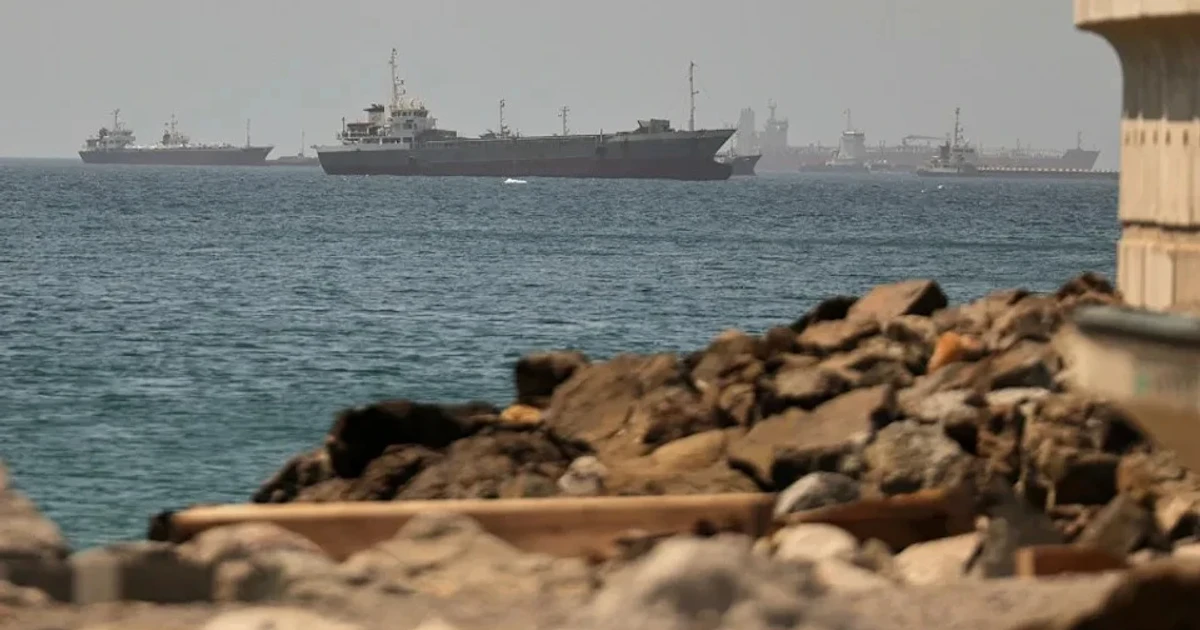
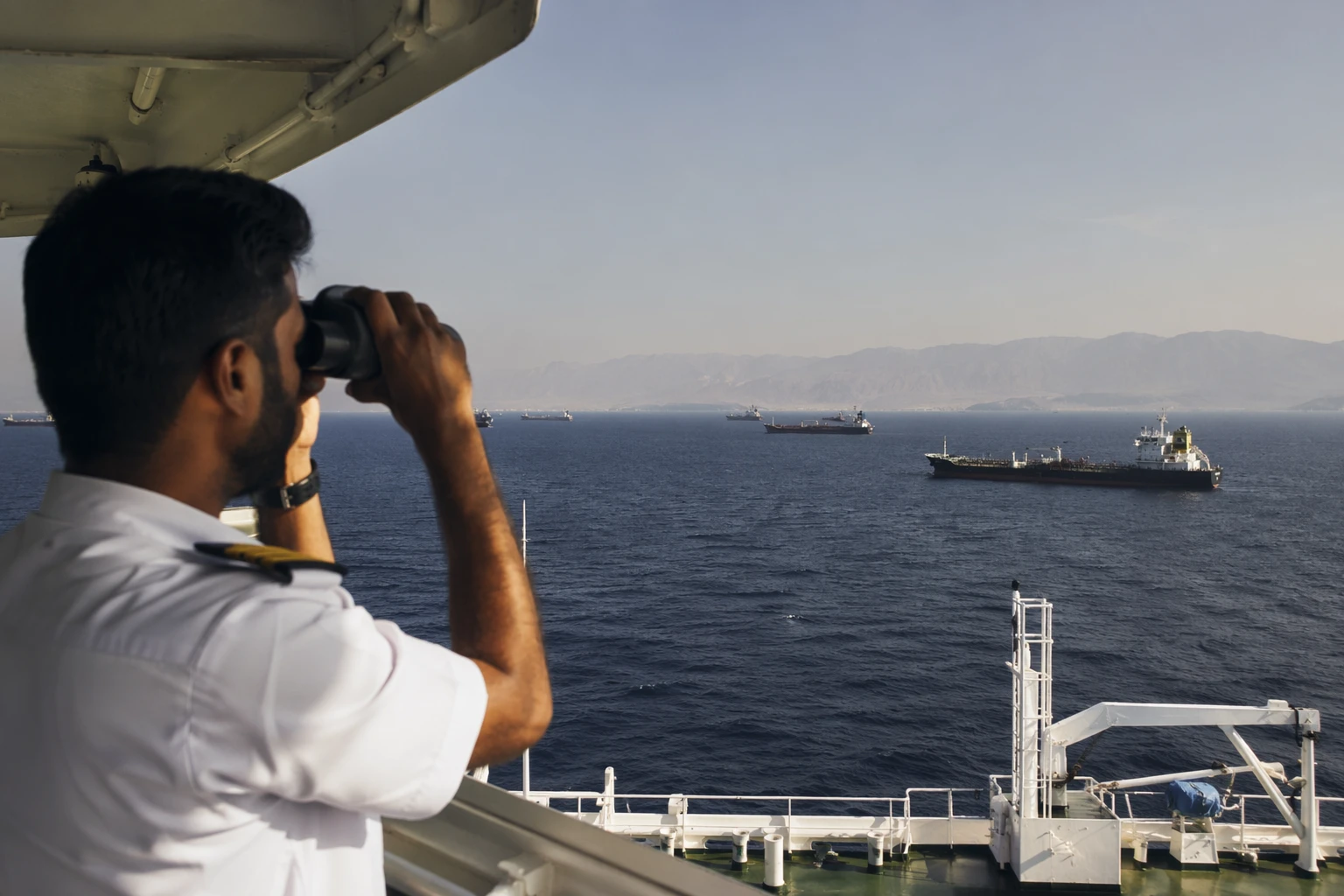
Shipping through the Strait of Hormuz has begun to resume, but only under a cloud of mines, insurance caution and ad hoc coordination that is still keeping the corridor far below normal traffic levels. Roughly 500 ships and about 20,000 seafarers were reported stranded in Gulf waters during the closure, and operators are moving only after they can weigh the risks vessel by vessel.
Lloyd’s List Intelligence said dozens of ships have already started leaving the Persian Gulf in recent weeks, quietly coordinating with the U.S. Navy as they go. Even so, there is still no central traffic command for the transit, and shipping decisions remain with individual owners and masters, a sign that the reopening is functional but far from settled.
The biggest obstacle is the sea itself. Maritime security sources said mine-clearing around Hormuz could take 40 to 50 days, with conventional minesweepers and underwater drones needed before insurers, shipowners and oil companies are willing to treat the route as safe. A supertanker and its crude cargo are worth about $300 million, a price tag that helps explain why the industry is moving slowly rather than racing back into one of the world’s most exposed waterways.
The stakes extend well beyond the Gulf. The strait normally handles about 20% of the world’s daily oil and liquefied natural gas supply, which means even a partial reopening can jolt freight rates, delivery schedules and energy markets from Europe to Asia. The traffic separation scheme that guides ships through the waterway has been jointly operated by Muscat and Tehran since 1968, but industry groups say restoring that framework in practice now depends on mines being cleared and routing discipline being re-established.
INTERTANKO urged the U.S. and Iranian administrations to make the strait free of mines and keep shipowners in a cautious mode. As Tim Wilkins put it, “We urge the US and Iranian administrations to collaborate in ensuring the Strait of Hormuz is free from the threat of mines...” Philip Belcher said ships should continue with ship-specific risk assessments. The International Maritime Organization said it was working to evacuate stranded seafarers and needed safety and security guarantees before a full reopening could proceed.
The diplomatic backdrop remains unsettled. Reuters reported that Marco Rubio told senators on June 2 that Iran had mined large segments of Hormuz, and Germany’s navy later cited mine locations in four places around the strait, though it said those locations could not be verified by Germany. For now, the route is reopening only in pieces, and the bottleneck is shifting from war risk to the slower, costlier business of making commerce believe the water is safe again.
Sources
- [1]nytimes.com
- [2]cnbc.com
- [3]intertanko.com
- [4]internazionale.it
- [5]aljazeera.com
- [6]agbi.com
- [7]reuters.com