Business
Shipping through Strait of Hormuz falls as U.S., Iran clash
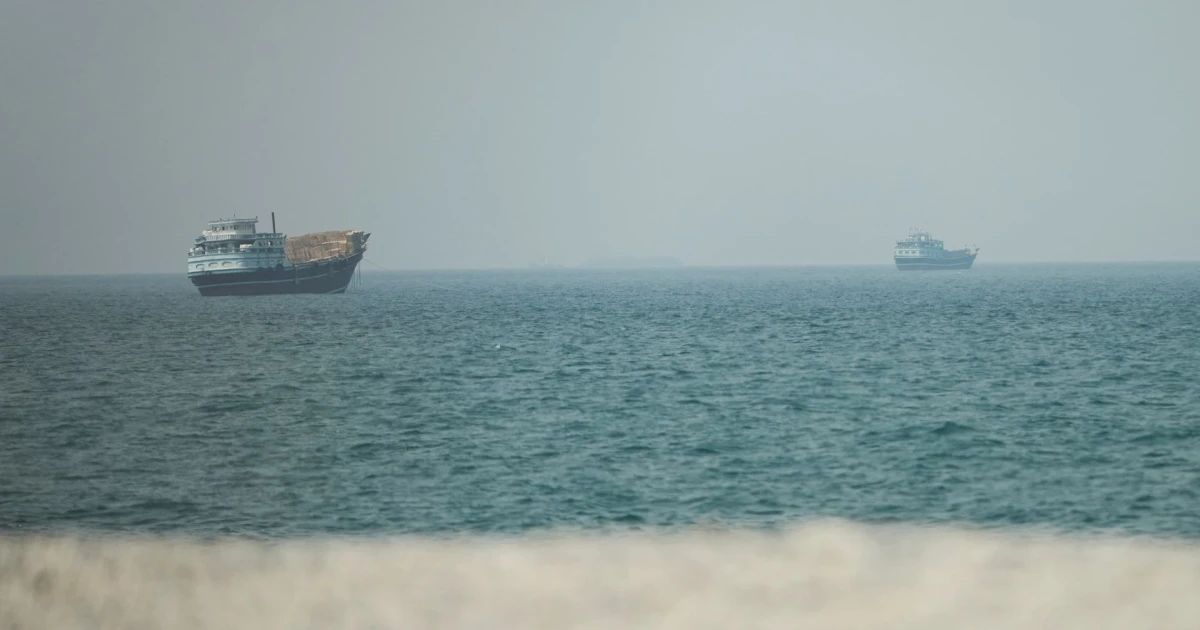
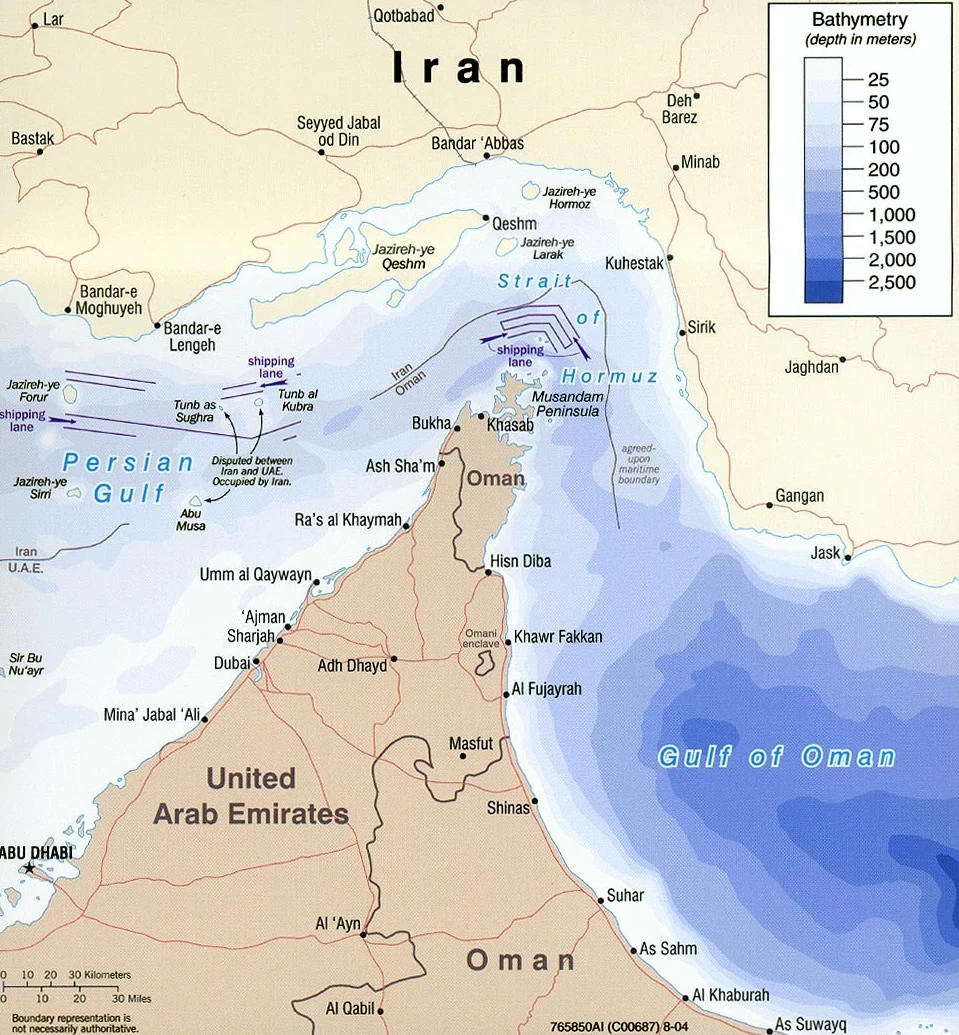
Vessel transits through the Strait of Hormuz fell to multi-week lows on July 12 and July 13 as renewed U.S.-Iran strikes and attacks on ships in the Middle East rattled one of the world’s most important energy chokepoints. Oil climbed 2% to a one-month high on July 14 as the fighting intensified, underscoring how quickly a shipping slowdown in the Gulf can ripple into fuel prices far beyond the region.
The first pressure point would be tanker insurance and freight rates. An industry analyst said that at this stage “nobody is willing to move” through the strait, a warning that points to self-deterrence as much as direct damage. That matters because about one-fifth of world oil consumption passes through Hormuz, and Qatar relies on the route for liquefied natural gas exports. If carriers keep pulling back, the shock would travel from the Gulf to U.S. gasoline stations, home-heating costs, and freight bills long before any formal closure of the waterway.
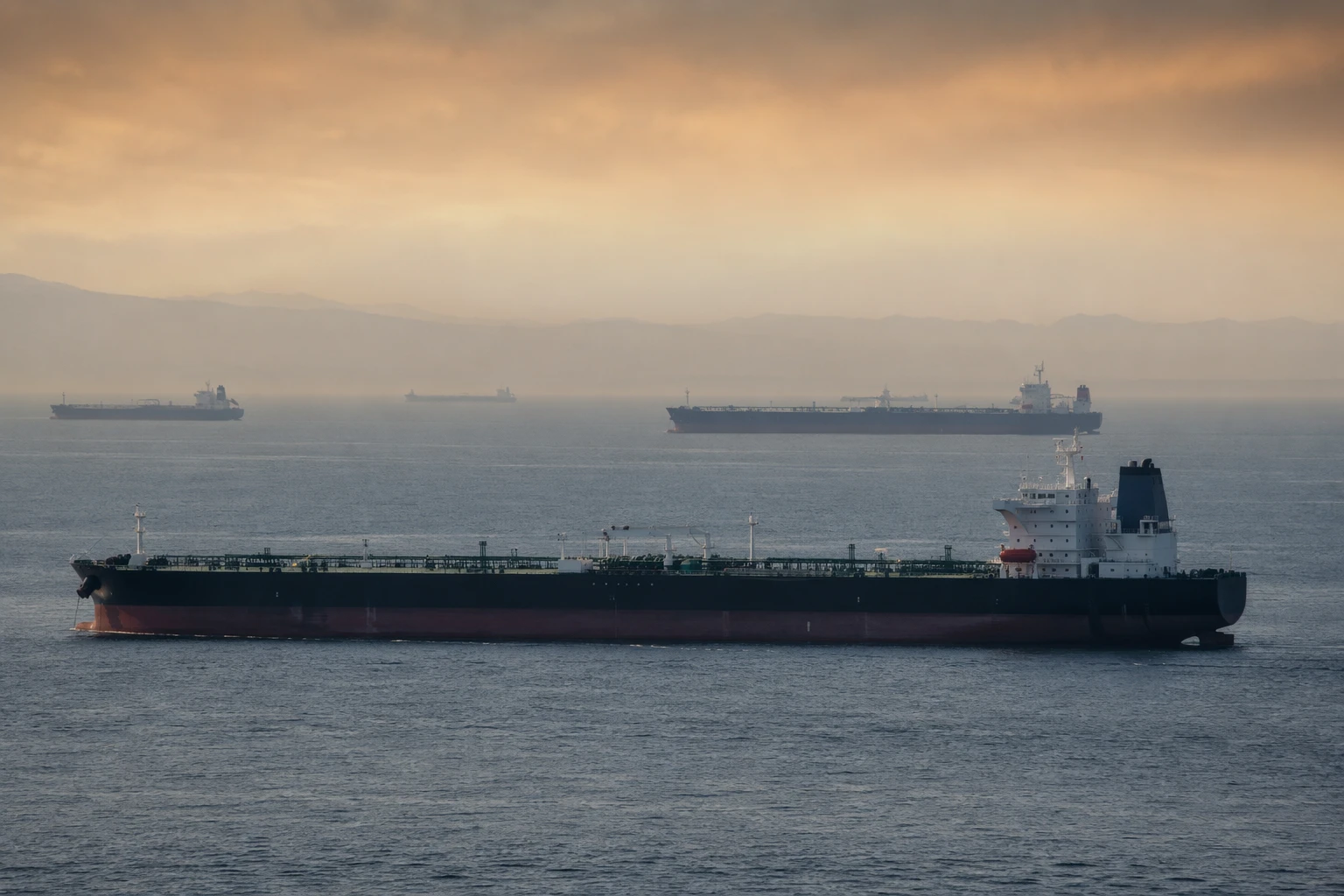
Washington has already demanded that Iran commit to stopping attacks in the strait, while Iran said Hormuz is a “red line” and vowed to resist until the end. The International Crisis Group said in a May 29 explainer that over three months of war, Iran and the United States have used the strait to demonstrate resolve while inflicting economic pain. That is the current danger for markets: not just a headline risk, but a sustained threat to the flow of crude and LNG that keep global supply chains moving.
The latest disruption echoes the 1980s Tanker War during the Iran-Iraq conflict, when attacks on more than 400 commercial vessels disrupted trade and pulled the United States deeper into the security of the Gulf. Shipping sources say the present standoff is more severe because modern missiles and drones make tankers and other vessels easier to hit than they were four decades ago. For the current flare-up to become a true economic shock, traffic would have to stay depressed long enough for insurers, shipowners, and buyers to conclude that crossing Hormuz is no longer worth the risk.
Sources
- [1]cbsnews.com
- [2]reuters.com
- [3]crisisgroup.org
- [4]facebook.com
- [5]eia.gov