World
Ships keep moving through Strait of Hormuz after attack, Iran warns
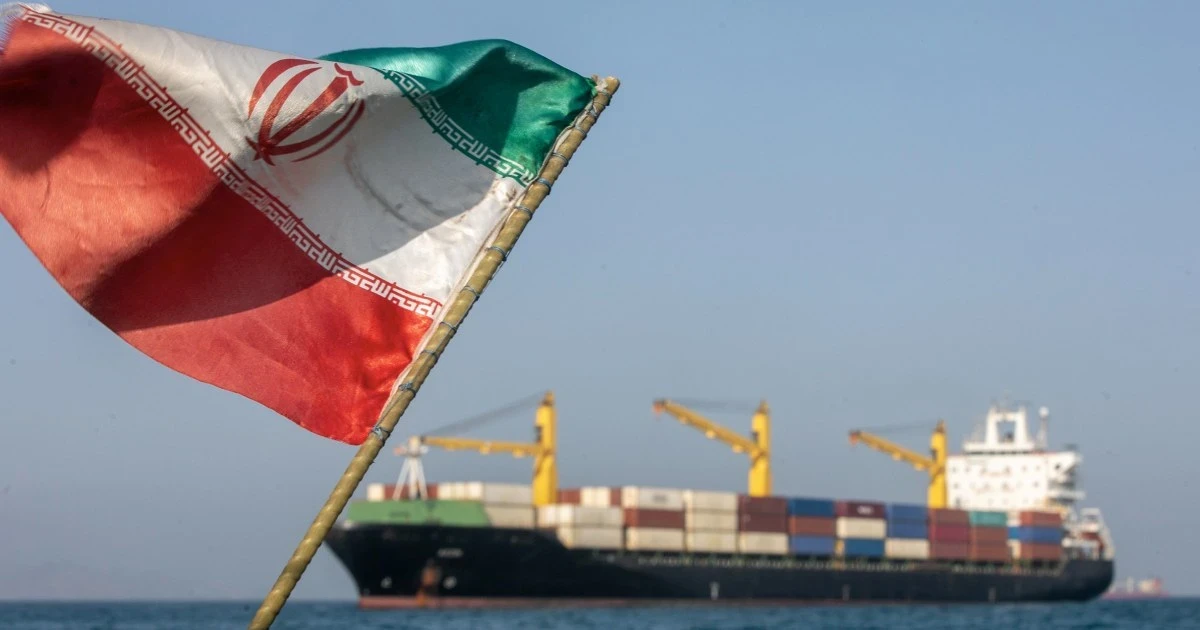
A trickle of ships kept moving through the Strait of Hormuz on Friday after an attack on the Singapore-flagged Ever Lovely a day earlier, underscoring how a limited strike can still unsettle one of the world’s most sensitive shipping lanes. Evergreen Marine said the container ship was hit near Oman on Thursday, sustained damage to bridge windows, had no casualties, and later cleared the strait safely.
Traffic did not stop. At least 37 vessels transited the strait or were in the process of doing so after the attack, and 20 took a route far south of Iran along Oman, a pattern that points to the immediate effect of a single incident on routing decisions. The southern track runs through Omani waters, while Iran has insisted ships coordinate through its naval channels and follow routes approved by Tehran.
Iran’s newly created Persian Gulf Strait Authority said vessels outside its approved routes would not be guaranteed safe passage and that any consequences would be the responsibility of the vessel’s owner, operator and commander. That warning has raised the stakes for insurers and ship operators, who tend to charge more when a passage looks unpredictable and to shift cargoes toward longer, safer routes when a corridor appears exposed.
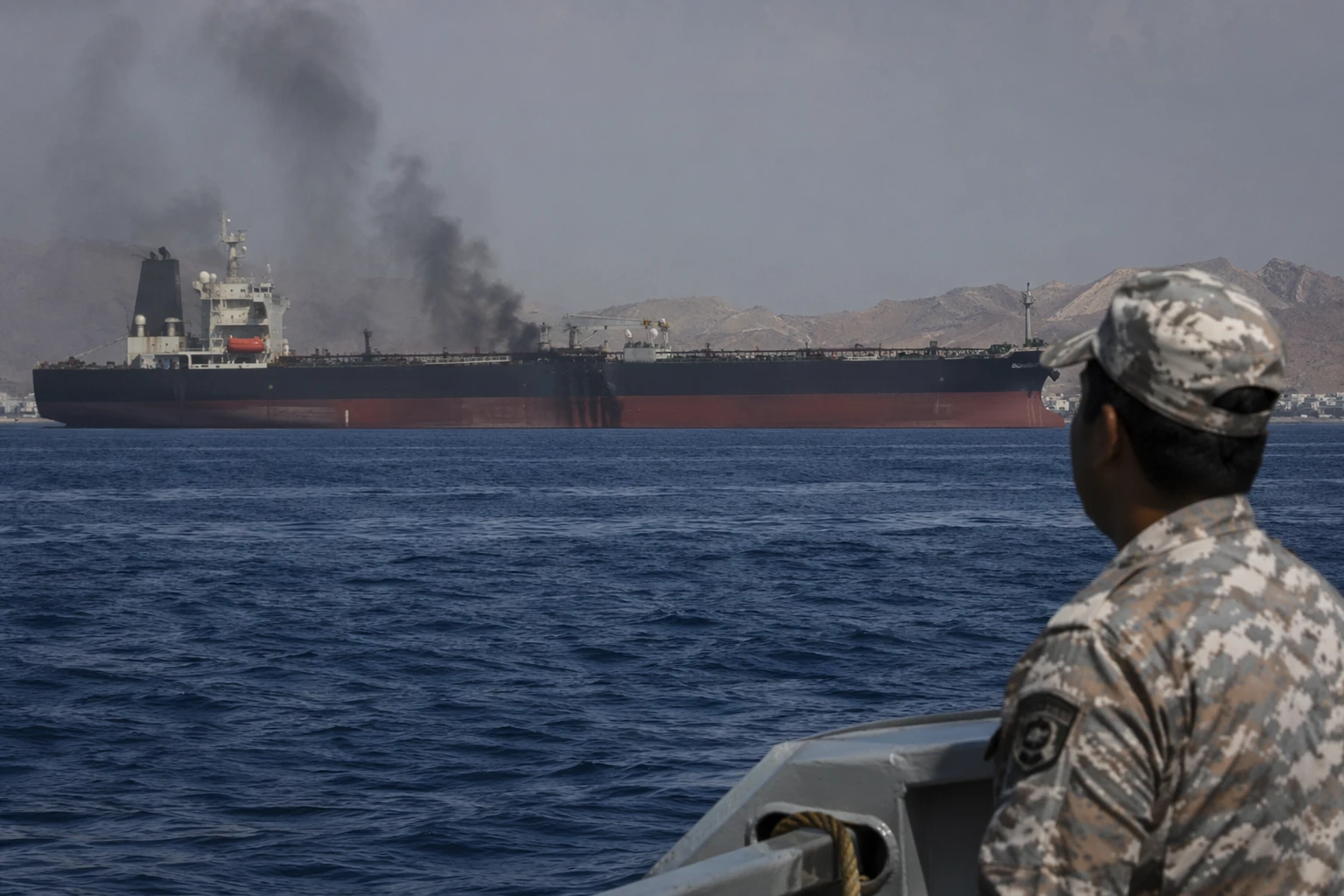
The attack also forced the International Maritime Organization to pause its escort and evacuation effort through the strait after the vessel was hit. The agency had launched the voluntary operation to help about 11,000 stranded seafarers and hundreds of ships out of the Gulf, but suspended it while it sought to reconfirm safety guarantees.
The Strait of Hormuz remains strategically vital because, before the conflict, it handled about one-fifth of the world’s daily oil and liquefied natural gas shipments. Even modest disruption in such a narrow channel can ripple into freight rates, insurance premiums and, eventually, oil and consumer prices far beyond the Gulf.
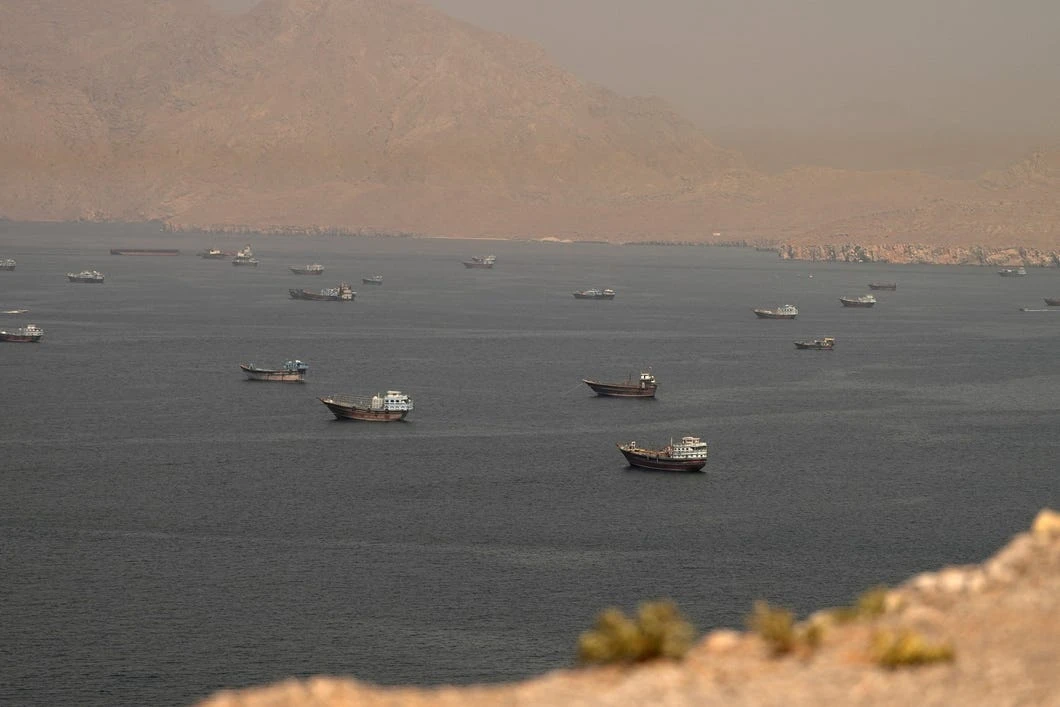
The latest tension follows a brief period of recovery. On June 22, oil and LNG tankers were again crossing the strait after Iran said it had reopened the waterway under a 60-day ceasefire with the United States, although traffic was still below prewar levels. Daily crossings had been around 125 before hostilities, and ship-tracking firms had been watching traffic split between Omani territorial waters and the northern Iranian-controlled route.
The attack came hours after the Iranian Islamic Revolutionary Guard Corps warned ships that they had to coordinate with its navy and travel through a designated route in Iranian waters. For now, vessels are still passing through, but Iran’s warnings show it is trying to assert leverage over the waterway without yet imposing a full shutdown.
Sources
- [1]nbcnews.com
- [2]usnews.com
- [3]time.com
- [4]politico.com
- [5]cnbc.com