Health
Short Meditation Sessions Offer Relief for Stress
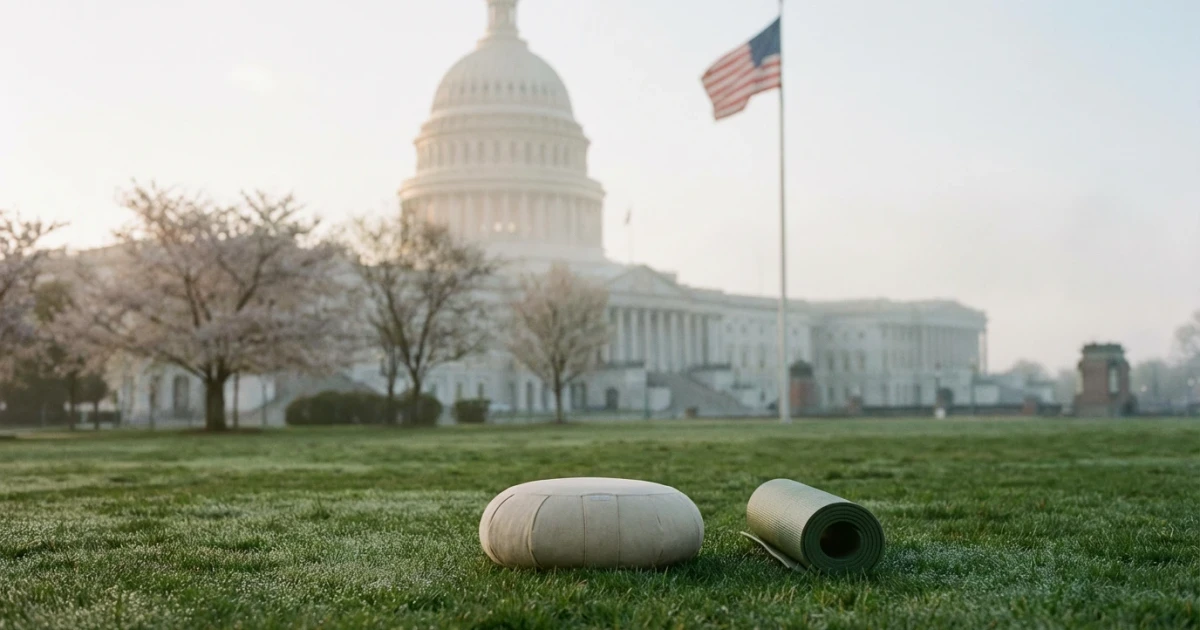
Feeling overwhelmed by daily demands? Evidence suggests that just a few minutes of meditation may provide meaningful stress relief, making the practice increasingly popular among Americans seeking calm in their busy lives.
The Growing Appeal of Meditation for Stress Relief
According to national data, the number of U.S. adults practicing meditation has risen sharply in recent years. The Washington Post reports that meditation is emerging as a go-to strategy for handling everyday stress, with experts highlighting the accessibility of brief sessions. In fact, a growing share of adults—across age, gender, and background—report having tried meditation at least once.
How Meditation Impacts Stress
Research reviewed by the National Center for Complementary and Integrative Health outlines several types of meditation, including mindfulness, mantra, and movement-based practices. These approaches share a common goal: helping individuals anchor their attention, reduce racing thoughts, and foster a sense of calm. A systematic review from the National Institutes of Health found that even short meditation sessions—sometimes lasting just a few minutes—can lower self-reported stress and anxiety levels.
- Studies show that brief daily meditation can lead to measurable reductions in stress hormone levels.
- Mindfulness-based interventions have been linked to improved emotional regulation, sleep, and focus.
- Ongoing clinical trials are exploring meditation’s effects on workplace burnout, chronic pain, and high blood pressure.
Why Just a Few Minutes Can Make a Difference
Although traditional meditation routines can last 20 minutes or more, The Washington Post notes that evidence increasingly supports the value of shorter practices. Even two to five minutes of focused breathing or guided relaxation can interrupt the body’s stress response. Experts explain that these micro-meditations can be incorporated into daily routines—whether during a lunch break, before a meeting, or at bedtime—to help reset the mind.
Accessibility and Practical Tips
One reason for meditation’s popularity is its accessibility. No special equipment is required, and free resources—such as smartphone apps, online videos, and community workshops—make it easy for beginners to start. According to the CDC, Americans from all walks of life have adopted meditation, with notable increases among adults under 40 and among those seeking holistic approaches to health.
Tips for Getting Started
- Begin with guided meditations available through reputable health organizations or meditation apps.
- Experiment with different techniques, such as mindful breathing, body scans, or visualization.
- Start small—just two to five minutes can be effective—and build as comfort grows.
Looking Ahead
As more research emerges and meditation becomes mainstream, Americans are likely to encounter the practice in a variety of settings—from schools and workplaces to healthcare clinics. While meditation is not a cure-all, evidence so far highlights its potential as a low-cost, low-risk tool for stress management. For those feeling the pressures of modern life, a short daily pause may offer a meaningful path to greater calm and resilience.