Politics
Shutdown Threats Shape Congressional Gridlock
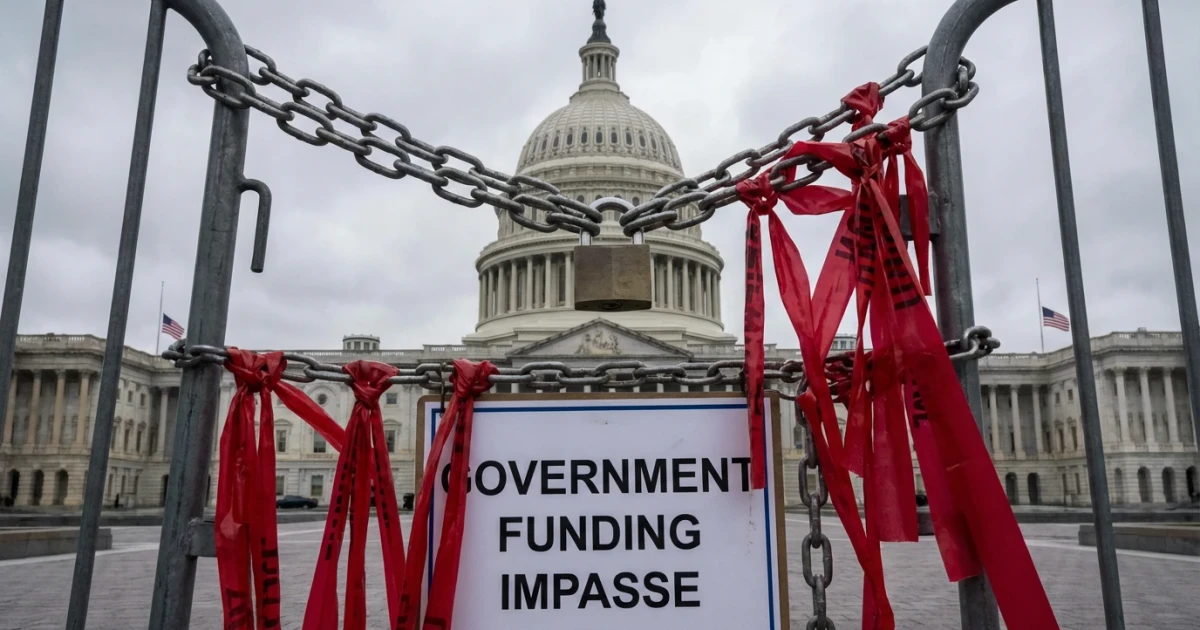
Congress is grappling with persistent gridlock as the threat of government shutdowns evolves from a rare crisis to a recurring political strategy, affecting not only federal operations but also the public’s perception of legislative effectiveness.
Shutdown Threats Now a Common Political Tactic
In recent years, the use of government shutdown threats has shifted from an emergency measure to a frequent bargaining chip in congressional negotiations. As noted by National Today, both parties now regularly employ the threat of a shutdown to gain leverage in debates over appropriations legislation or to push through contentious policy priorities. This tactic has led to increased uncertainty for federal agencies and the millions of Americans who depend on government services.
- Shutdowns have occurred with increasing frequency, with several near-misses and partial shutdowns over the last decade, according to Pew Research Center data.
- The Congressional Budget Office tracks the economic and operational impacts of each shutdown, including delayed pay for federal workers and contract disruptions. See their budget and economic data for detailed breakdowns.
Impact on Federal Operations and Public Services
When Congress fails to pass appropriations bills, large portions of the federal government are forced to halt or scale back operations. This affects everything from national parks to regulatory agencies. According to a U.S. Government Accountability Office analysis, shutdowns disrupt not only federal workers but also contractors, grantees, and beneficiaries of government programs.
- Essential services, such as air traffic control and military operations, typically continue, but many other functions are suspended.
- Each day of a shutdown adds financial and operational strain, with the CBO estimating billions in lost productivity and delayed obligations.
Political Strategy and Its Consequences
Shutdown threats are increasingly used as a negotiation tool during partisan standoffs. While some lawmakers see these threats as a way to extract concessions, others warn that the tactic undermines the stability of governance. Historical analysis from the Congressional Research Service reveals that shutdowns rarely produce significant legislative victories, but often erode public trust in government.
The Brookings Institution explains in its shutdown explainer that the repeated use of shutdown threats can damage America’s global reputation and economic outlook. Agencies are forced to plan for potential funding gaps, draining time and resources that could be used for their core missions.
Looking Forward: Calls for Reform
There is rising bipartisan support for reforms that would reduce the likelihood and impact of shutdowns. Proposals include automatic continuing resolutions or new rules limiting the use of shutdowns as a bargaining tactic. As shutdown threats become woven into the fabric of congressional negotiation, lawmakers and experts alike question whether the costs to governance and public trust outweigh the perceived strategic benefits.
While shutdowns remain a potent symbol of congressional dysfunction, the emerging consensus is that Americans deserve more reliable stewardship of federal operations and a return to regular order in the appropriations process.