Business
Silver prices tumble, but tight supply still supports the bull case
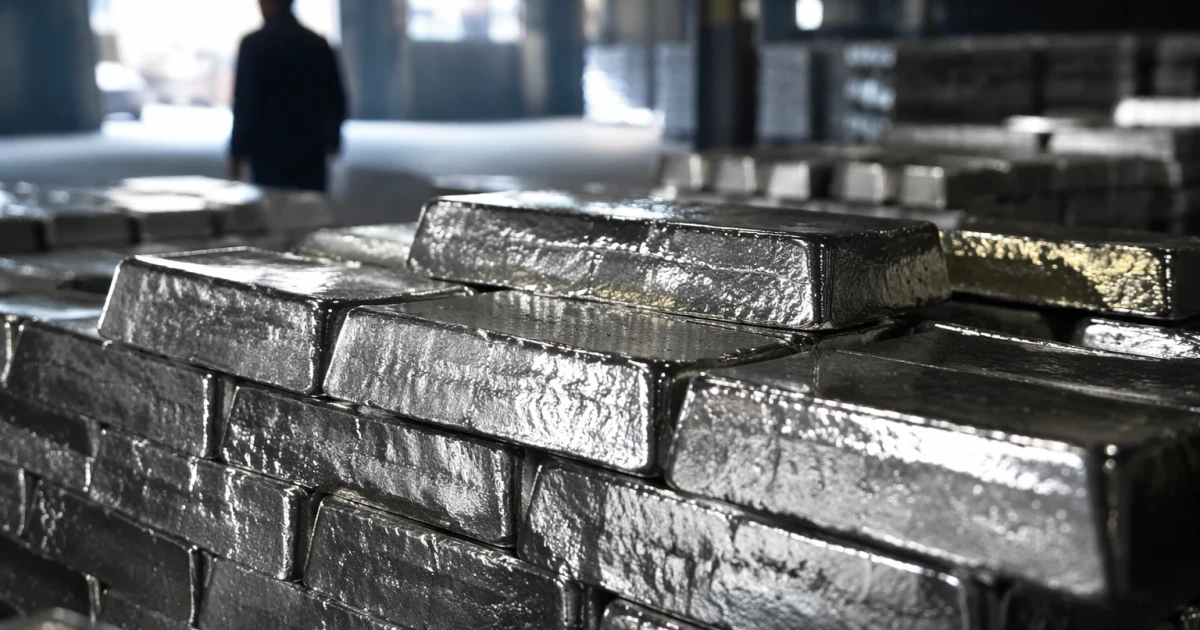
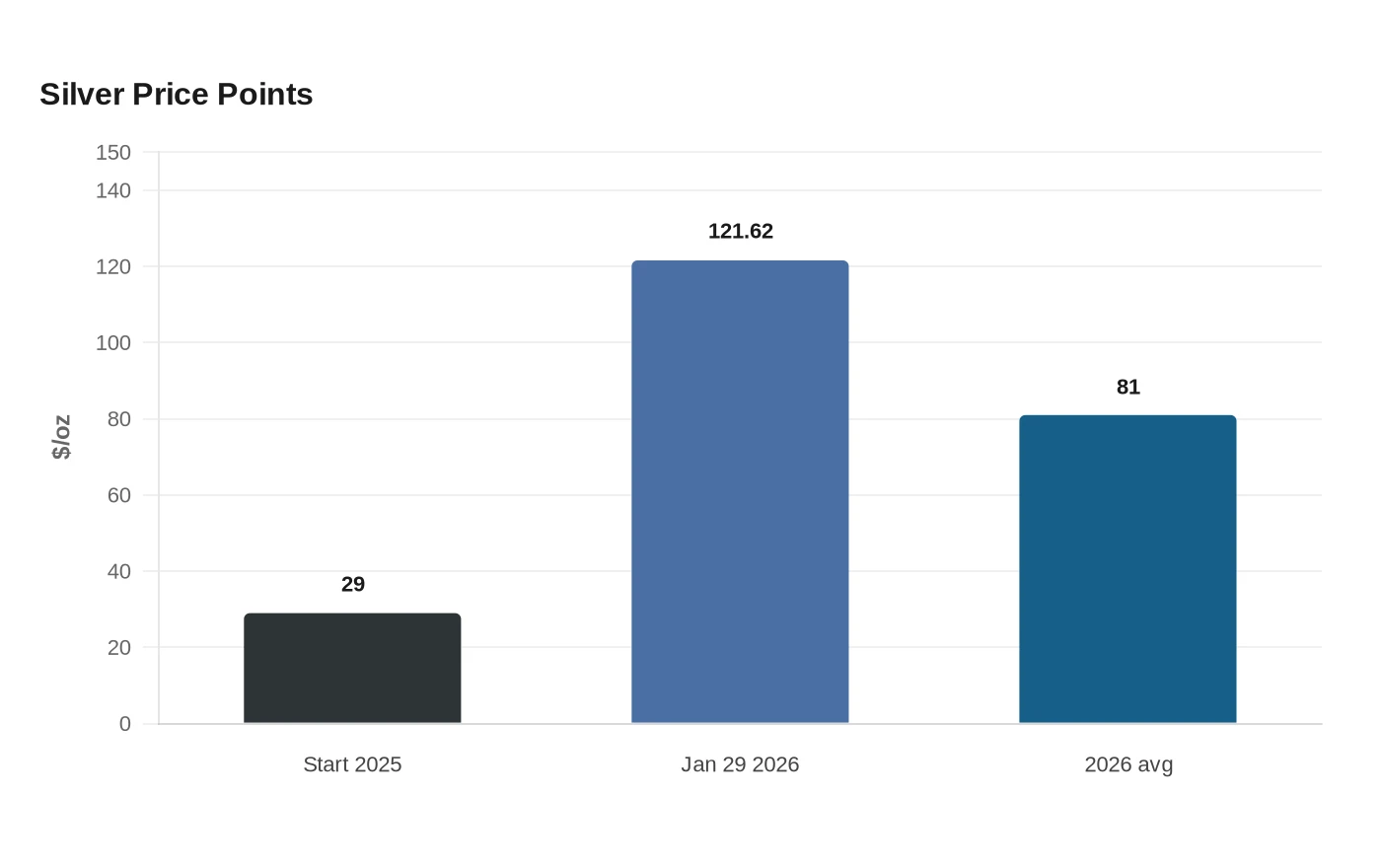
Silver hit about $121.62 an ounce on January 29, 2026, then fell roughly 49% from that high, forcing investors to decide whether the break was a warning sign or a reset. The drop changed the conversation from momentum to conviction.
From breakout to backlash
The first half of the silver story was almost euphoric. J.P. Morgan put the metal near $29 an ounce at the start of 2025 and at more than $70 by year-end, a near-130% gain that carried into the January spike. That move pushed silver through the old benchmark set by the 1980 Hunt Brothers squeeze, a level that had stood for about 45 years before being broken in the 2025-2026 surge.
That kind of run tends to attract two very different groups: believers in a real supply squeeze and traders chasing price acceleration. The second group usually leaves first when the chart turns, which helps explain why the pullback has been so violent. Once silver becomes a consensus momentum trade, even a modest break in liquidity can turn into a stampede.
Why the physical market still matters
The bull case has not disappeared because the metal became cheaper. The Silver Institute’s World Silver Survey 2025, released on April 16, 2025 in New York City, reported a 2024 market deficit of 148.9 million ounces and record industrial demand of 680.5 million ounces, up 4% from the prior year. Silver is not just a financial asset. It is a crucial input for solar panels, electric vehicles and electronics, which gives the metal a base of demand that gold does not have.
Solar power alone still consumes large volumes of silver, and EVs and electronics add another layer of demand from manufacturing growth and electrification. Even so, the picture is not one-way bullish: solar manufacturers have been reducing silver use per cell, a process known as thrifting, which can slow demand growth even when the underlying market remains tight.
It was the fifth consecutive annual market deficit in a market that has already spent years running short. That kind of persistent imbalance can keep prices firm even after a brutal correction.
Why volatility may stay elevated
If the metal’s long-term case looks intact, the trading case is still messy. Goldman Sachs analysts warned in January 2026 that extreme silver price volatility could persist because inventories in London remained unusually tight. By early July, thin London stockpiles and a squeeze in the physical market were still magnifying every swing in sentiment.
Silver is small enough, relative to gold and many major industrial markets, for supply disruptions to have an outsized effect. When inventories are tight, buyers are more sensitive to delivery risk, and paper prices can disconnect from the ease with which metal can actually be sourced. In that kind of environment, a headline about production, recycling, or shipping can move the market far more than a normal macro day.
J.P. Morgan still expects silver to average $81 an ounce in 2026, citing industrial demand and broader macro factors.
What the drop changed for investors
The drop changes the question from “can silver go higher?” to “what kind of investor can actually own it?” Silver has always behaved more like a volatile industrial-metal and monetary hybrid than a steady store of value. In the current setup, that identity is even more pronounced: the metal has a supply story, a macro story, and a speculative story, and they do not always point in the same direction.
The investors who may still have a case for owning silver are the ones who can separate those threads:
• Long-horizon allocators who want exposure to a market with a documented deficit and strong industrial demand.
• Commodity investors who can tolerate sharp swings and do not need the position to behave like a stable income asset.
• Diversifiers who want a metals allocation that can benefit from both safe-haven demand and electrification trends.
Silver is a poor fit for anyone who needs predictability, near-term cash, or a smooth ride. The metal’s history alone makes that clear: after the Hunt Brothers episode, it took about 45 years to break the old record, and the latest breakout has already shown how quickly gains can reverse when positioning gets crowded.
Sources
- [1]cbsnews.com
- [2]jpmorgan.com
- [3]silverinstitute.org
- [4]msn.com
- [5]investing.com
- [6]metalcharts.org
- [7]goldsilver.com