Health
Simple Ways to Support Your Body’s Natural Detox
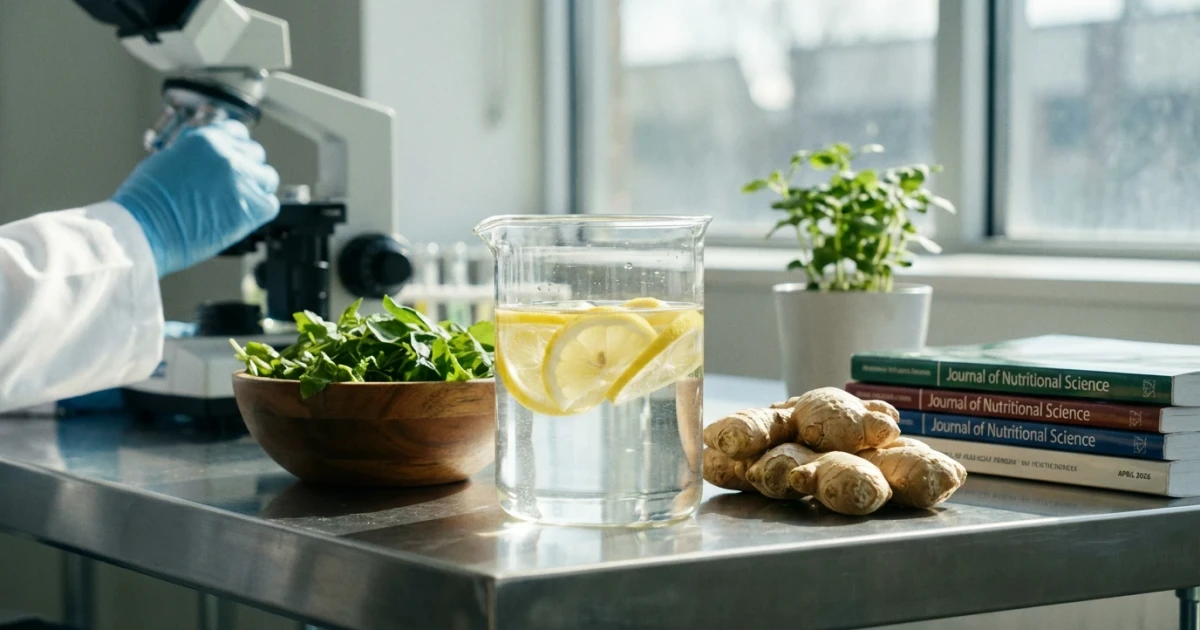
As the wellness industry markets a growing array of detox teas, juices, and cleanses, health experts and organizations are emphasizing a simpler truth: your body is already equipped with powerful natural detoxification systems that work around the clock—free of charge.
Understanding Natural Detoxification
The concept of detoxing the body—purging it of toxins for better health—has become a wellness trend. However, according to PBS and several health organizations, the human body naturally removes waste through organs like the liver, kidneys, lungs, and skin. These systems constantly process and eliminate substances the body doesn’t need.
For example, the liver plays a central role by filtering blood, breaking down chemicals, and excreting harmful compounds. The CDC notes the liver is especially important for metabolizing alcohol and medications, while the kidneys filter waste into urine, and the lungs expel carbon dioxide.
Do You Need Special Products to Detox?
Despite claims from the $50-billion detox industry, there’s little scientific evidence that commercial cleanses—like juice fasts, teas, or flushes—offer meaningful benefits over what your body already does. A review from the American Cancer Society and a critical analysis of detox diets in the scientific literature underline that no high-quality studies show these products remove toxins or lead to lasting health improvements. In some cases, detox products can cause dehydration, electrolyte imbalance, or even organ damage.
Evidence-Based Ways to Support Your Body’s Detox
According to PBS and research published by the National Institutes of Health, the best way to support your body’s natural cleansing is through healthy lifestyle choices:
- Stay hydrated: Water helps kidneys flush waste efficiently.
- Eat a balanced diet: High-fiber foods like fruits, vegetables, and whole grains support digestion and elimination. For more on nutrition patterns, explore this CDC nutrition data resource.
- Exercise regularly: Physical activity boosts circulation and sweating, helping the body eliminate waste through the skin.
- Limit alcohol and processed foods: Excessive alcohol puts strain on the liver, and highly processed foods can contain additives that make detoxification harder.
- Get enough sleep: Rest allows the body to repair and remove metabolic waste from the brain.
Why Quick-Fix Detoxes Can Be Risky
Although popular, restrictive detox diets or supplement-based cleanses can have unintended health consequences. The American Cancer Society cautions that these approaches may lead to nutritional deficiencies, dehydration, and digestive issues. The scientific review of detox diets found that many such programs lack regulation and scientific oversight, increasing the risk for vulnerable groups, including those with underlying health conditions.
Expert Consensus: Focus on Sustainable Habits
Across health sources, the consensus is clear: the best way to "detox" is not through quick fixes or expensive products, but by consistently practicing healthy habits that support your body’s natural processes. As highlighted by PBS, supporting your liver, kidneys, lungs, and skin with good nutrition, hydration, and sleep is both effective and safe.
Looking Ahead
As spring inspires many to focus on wellness, experts encourage skepticism toward detox marketing claims and recommend evidence-based lifestyle changes. For those seeking a reset, simple steps—like drinking more water, eating more vegetables, and getting enough rest—can make a real difference without the need for costly products or extreme diets.