Entertainment
Singapore police detain, question Massive Attack after concert
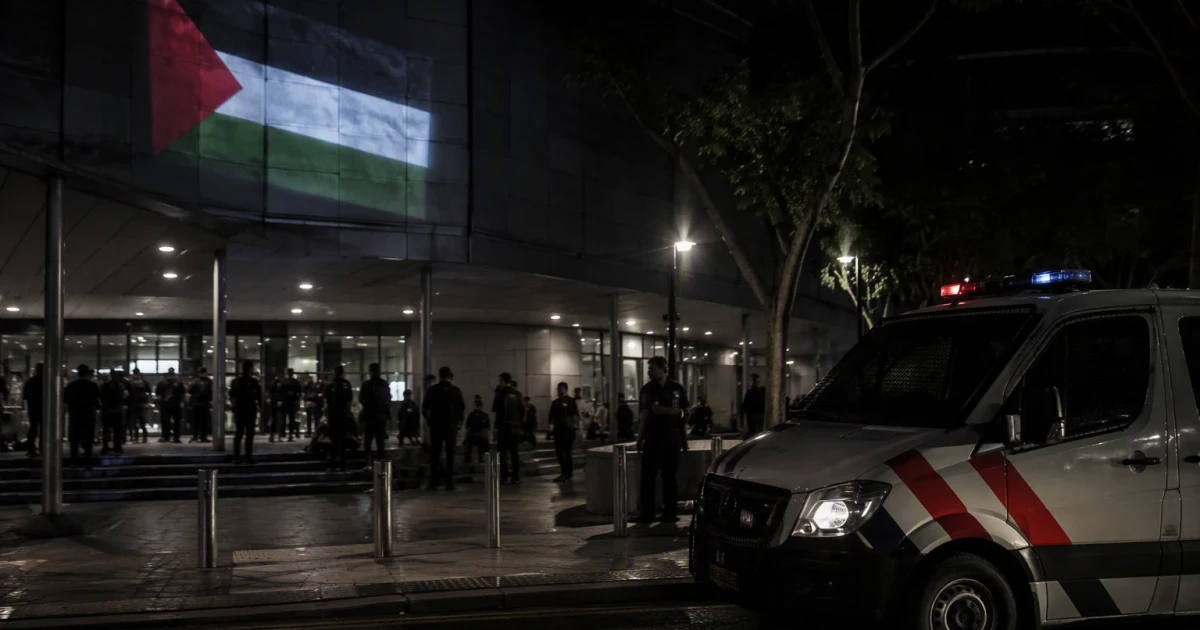
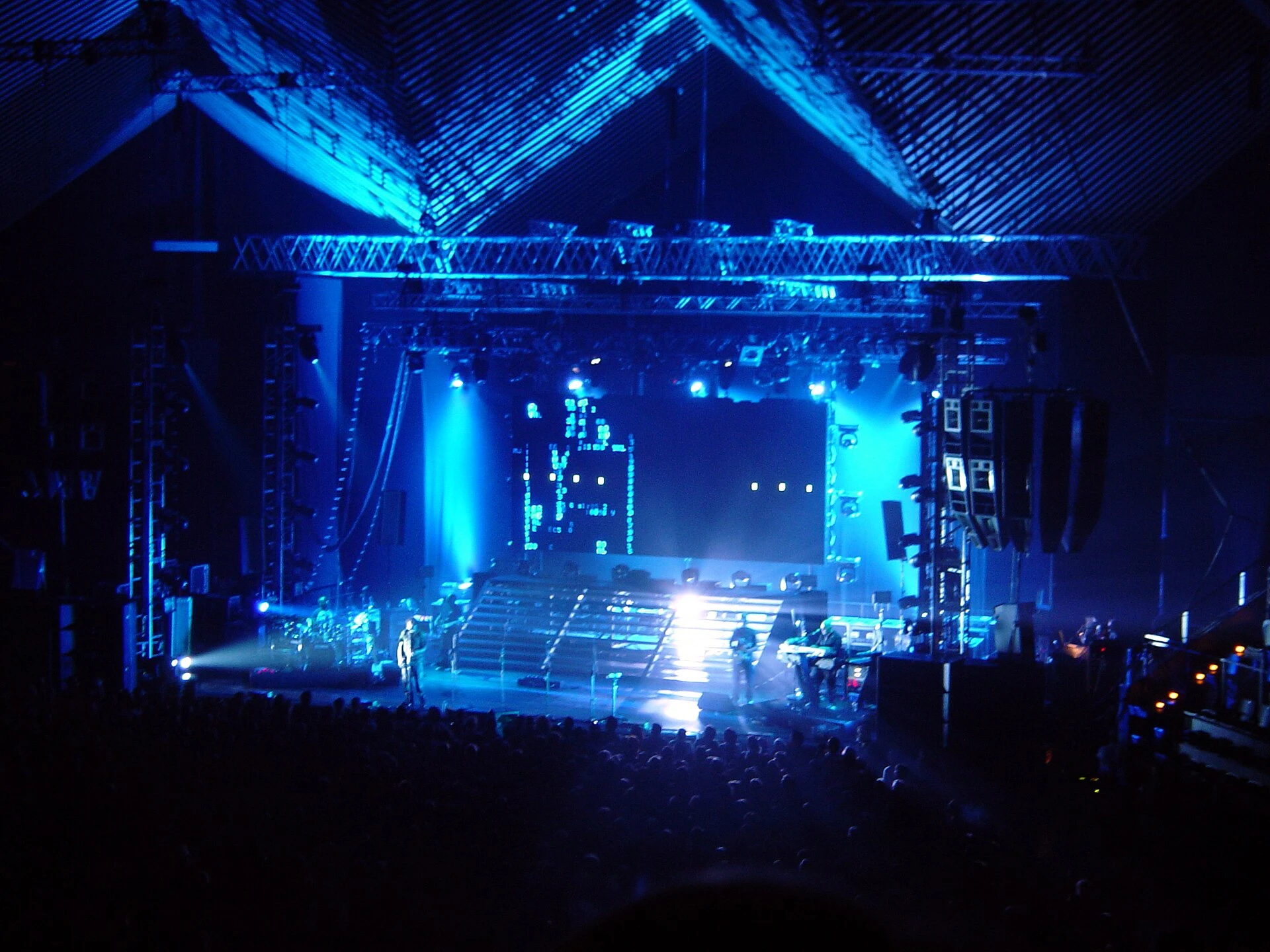
Singapore police detained and questioned Massive Attack after the British band ended a concert at the Star Theatre with a Palestinian flag display. The case put the city-state’s tightly controlled rules on public expression and live-event licensing into the spotlight, with authorities treating the episode as more than a routine concert gesture.
Police and media authorities had already opened an investigation into a possible breach of licence conditions after the July 29 show. Singapore police said the band’s actions were examined as support for a political cause and for displaying a foreign flag, a combination that can collide with the country’s strict approach to political symbolism at public gatherings.
Massive Attack said the entire touring party was detained, isolated and separately questioned after the show. The band also said some members had hotel rooms searched and passports temporarily confiscated. In a statement posted on Instagram, the group said it was “proud” of what it called an “impromptu expression” of support for Palestine.
Singapore police later said two members of Massive Attack had been issued stern warnings and barred from re-entering the country. No criminal charge was announced, leaving open whether the episode would stop at administrative enforcement tied to the concert licence or move further into legal territory.
The dispute landed because Singapore has long maintained a reputation for tight regulation of political expression, protests and controversial symbolism, especially in settings meant for public entertainment. Massive Attack’s own history of political activism, including its repeated engagement with Israeli-Palestinian issues, made the flag display more combustible in a jurisdiction where foreign performers are expected to stay well inside local rules.
For touring artists, promoters and venues, the episode underscored how quickly a stage act can become a licensing problem in Singapore. For the government, it fit a familiar public-order model that treats concerts, like demonstrations, as spaces where speech can be monitored and constrained.
Sources
- [1]reuters.com
- [2]aljazeera.com
- [3]haaretz.com
- [4]bangkokpost.com
- [5]theguardian.com
- [6]variety.com