Technology
Six-figure tech workers feel priced out by soaring AI salaries
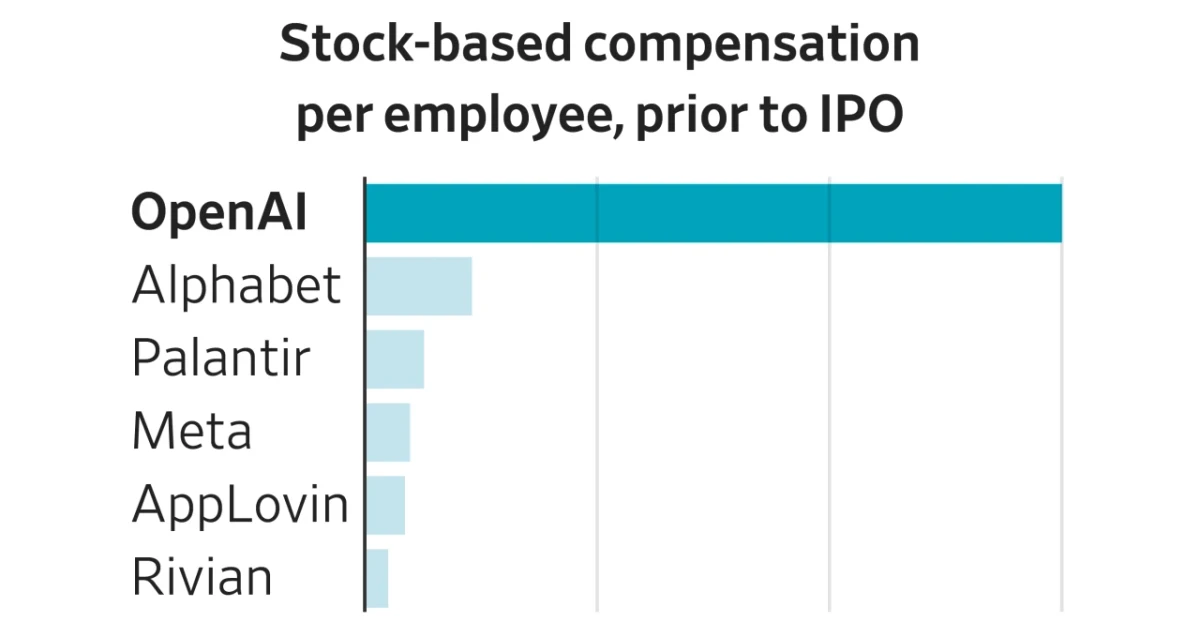
OpenAI confidentially filed for a U.S. IPO after Anthropic had filed a week earlier, and the moves are sharpening a divide inside San Francisco’s tech economy. Six-figure workers who once looked comfortably upper middle class are discovering that the new A.I. elite is resetting what counts as a livable salary in the city.
The gap is widening fastest at the top. Reuters said OpenAI was valued at more than $850 billion, while the San Francisco Chronicle reported that Anthropic filed after a $965 billion valuation. Reuters later reported that OpenAI may be weighing a 2027 listing, potentially after Anthropic. Those filings matter because they turn the Bay Area’s A.I. surge into a public-markets story, concentrating prestige, capital and pay in the same region that has long set the national tech standard.
The housing market in San Francisco is already forcing the issue. The San Francisco-Oakland-Hayward metro area had a median asking rent of $2,837 in January 2026, Realtor.com put San Francisco’s median rent at $4,295 a month in May 2026, and the Chronicle said the city’s median apartment rent surged 11% in June from a year earlier, the biggest increase in the country. Apartment List’s July 2026 report put the city’s median rent at $3,558. In a market like that, a compensation package that sounds elite elsewhere can still feel tight.

The pay scale inside tech helps explain the frustration. A tech industry report said senior software engineers without A.I. experience typically earned base salaries of $180,000 to $220,000, while senior A.I. research scientists could command total annual compensation of $3 million to $7 million, with some top engineers above $10 million a year. Another report put mid-level A.I. engineers at Big Tech in the $500,000 to $2 million range. Even San Francisco’s metro area salary level for the top 10% of earners was $240,000, below San Jose’s $274,000, according to Chronicle data.
The labor market is not broad-based enough to absorb the disparity. The Chronicle reported in April 2025 that San Francisco had been losing workers to other tech hubs, though that exodus eased as the A.I. boom took hold. It also found local tech job listings fell from around 6,000 in March 2022 to fewer than 2,000 by May 2026, a sign that the city’s hiring recovery remains uneven even as A.I. companies dominate the strongest pay packages. That leaves San Francisco as the clearest case study of a two-tier tech economy: one tier priced by ordinary software work, the other by A.I. capital that can now rival the city’s housing market itself.
Sources
- [1]nytimes.com
- [2]money.usnews.com
- [3]mercurynews.com
- [4]sfchronicle.com
- [5]techspot.com
- [6]apartmentlist.com
- [7]realtor.com