Politics
Six Republican Senators Oppose Funding for Trump’s White House Ballroom
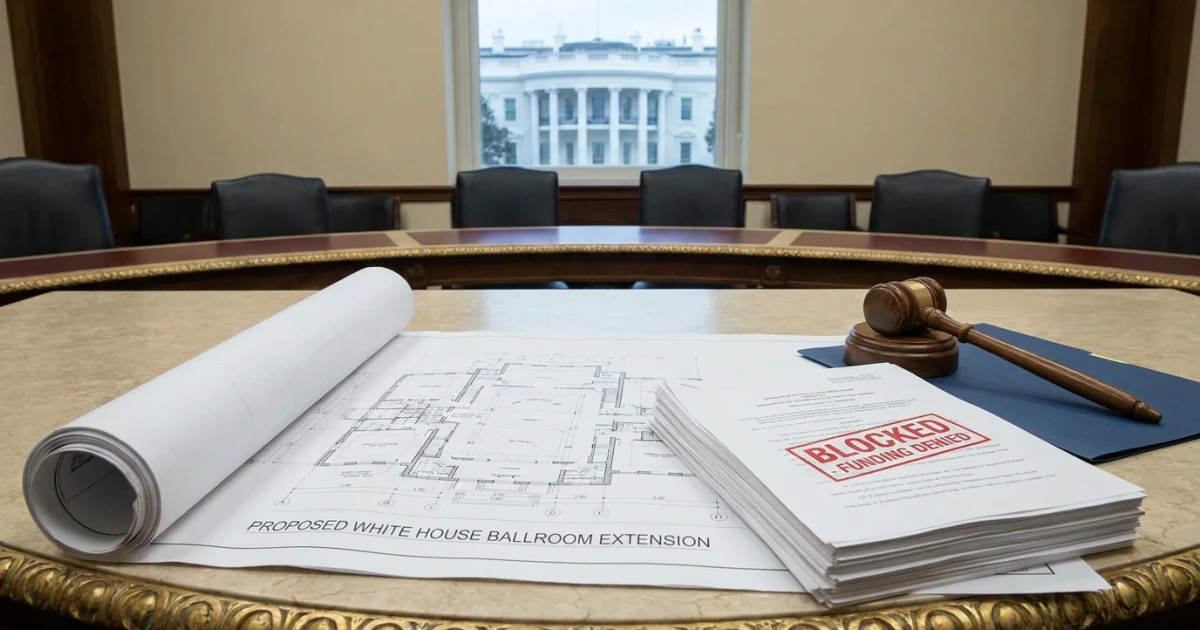
Six Republican senators broke ranks this week, voting against a proposal to fund a new White House ballroom long sought by former President Donald Trump. The Senate vote, which drew national attention, saw the bipartisan coalition effectively halting the controversial project at least for the current legislative session.
Background on the White House Ballroom Proposal
The idea to add a grand ballroom to the White House has circulated since Donald Trump’s presidency, with supporters claiming it would modernize the executive mansion’s capacity for hosting large events. Critics, however, have questioned the necessity and optics of such an expenditure. The ballroom proposal was included as a line item in the most recent Senate appropriations bill, prompting a spirited debate on Capitol Hill.
The Senate Vote and GOP Dissent
The motion to fund the ballroom came to a head during the latest round of appropriations votes. According to the official Senate roll call records, six Republican senators sided with Democrats in voting to block the ballroom project. This move marked a rare moment of GOP division on a high-profile White House measure, reflecting both fiscal concerns and the political complexities of supporting a Trump-era initiative.
- The six GOP senators joined a unified Democratic caucus
- The specific breakdown of the vote is available on the Senate website
- The ballroom proposal's cost and necessity were central to arguments against it
Arguments For and Against the Ballroom
Supporters of the ballroom, primarily among Trump’s allies, argue that the White House’s event facilities are outdated and insufficient for major state functions. They claim that a modern ballroom would enhance the executive mansion’s ability to host dignitaries and large-scale events, bringing it in line with other world capitals.
Opponents, including the six Republican dissenters, expressed concern about the timing and budgetary impact of the project. With federal spending under scrutiny, critics questioned whether such an investment was justified. Some senators also cited public perception, noting that the project could be seen as an unnecessary luxury, especially amid ongoing debates about government spending priorities.
Legislative Process and Next Steps
With the ballroom funding effectively blocked for now, the fate of the proposal remains uncertain. The project could theoretically be revived in future appropriations bills, but the bipartisan opposition signals an uphill battle. Readers interested in how such amendments and funding decisions are made can explore the Senate’s legislative process for more detail.
The full legislative history of the appropriations bill containing the ballroom proposal is available via the Congressional actions tracker.
Analysis and Outlook
This vote underscores a broader trend: even within the Republican Party, support for high-profile projects linked to the Trump administration is not universal. The willingness of six GOP senators to publicly oppose the ballroom funding reflects ongoing debates about fiscal responsibility and White House priorities in a divided government. With the ballroom plan now stalled, attention turns to future appropriations debates and whether the proposal will re-emerge in a different form.