Health
Six-year-old returns to Sheffield hospital, this time as a visitor
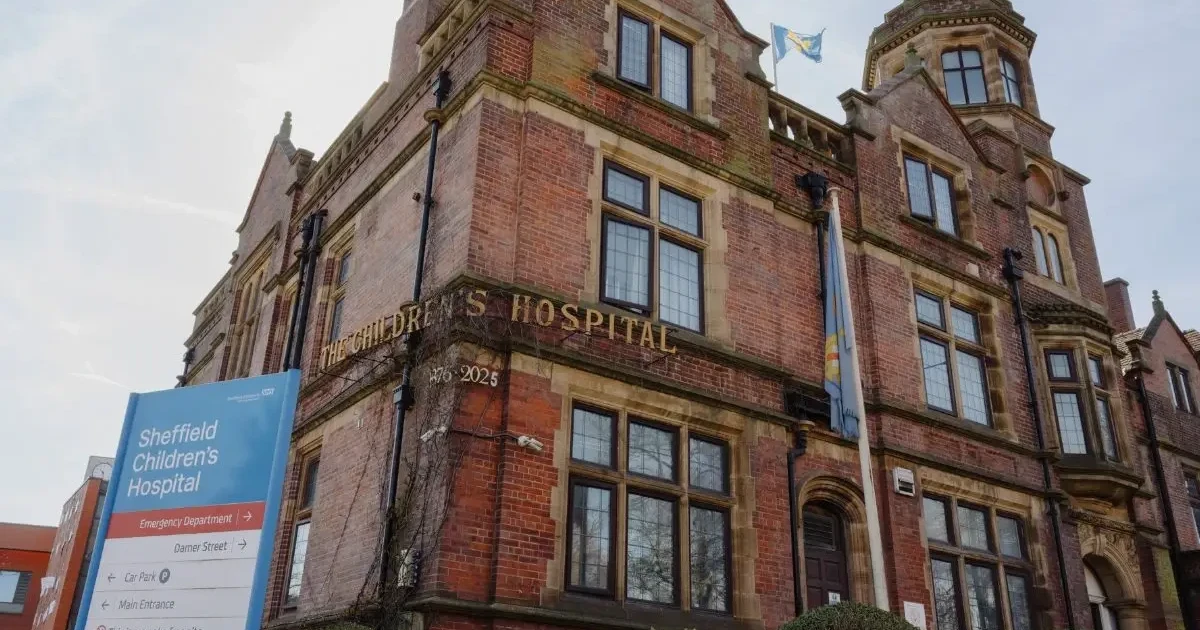
A six-year-old who once needed cancer care at Sheffield Children’s Hospital returned through the same doors as a visitor, a small moment that pointed to the longer work of survivorship after treatment ends. For staff, families and former patients, the visit reflected a system built not just to treat childhood cancer, but to follow children through recovery, school age and the difficult shift back to ordinary life.
Sheffield Children’s Hospital is the Principal Treatment Centre for children with cancer and leukaemia across South Yorkshire, Lincolnshire and North Derbyshire. Its Haematology & Oncology Department accepts new referrals up to age 16, and patients are usually transferred to adult services between 16 and 18. Ward 6 has 14 beds, six isolation cubicles and four day-case beds, while outpatient treatment is delivered from the PACT and Westfield Health Haematology and Oncology Centre, which opened in 2018 and operates Monday to Friday.
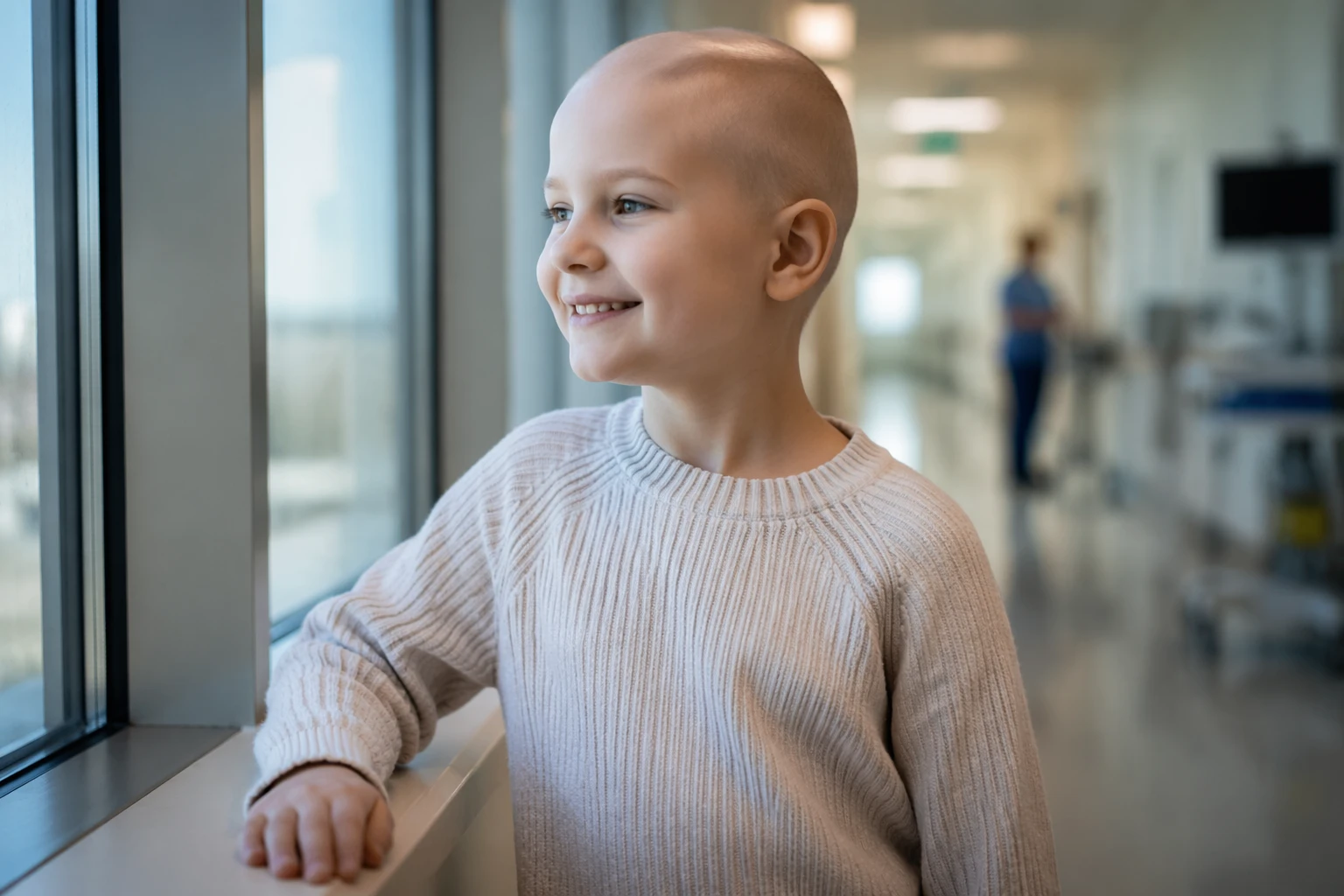
That wider network matters because childhood cancer care rarely ends at discharge. The hospital says the Young Lives vs Cancer social work team supports children and families from diagnosis through and after treatment, helping with the emotional and practical aftermath that can outlast the final round of chemotherapy. PACT, the Parents Association of Children with Tumours and Leukaemia, was founded in 1977 and provides accommodation, trips, equipment and other practical support for families staying close to care.
PACT says children’s cancer survival has more than doubled since the 1960s, but the hospital’s own shared-care guidance shows how unusual the disease still is in everyday general practice: a GP will see, on average, a child under 15 with cancer only once every 20 years. That rarity is one reason long-term follow-up carries such weight. Children may move from intensive treatment into years of monitoring, rebuilding strength, and learning how to live beyond a diagnosis that first upended family life.
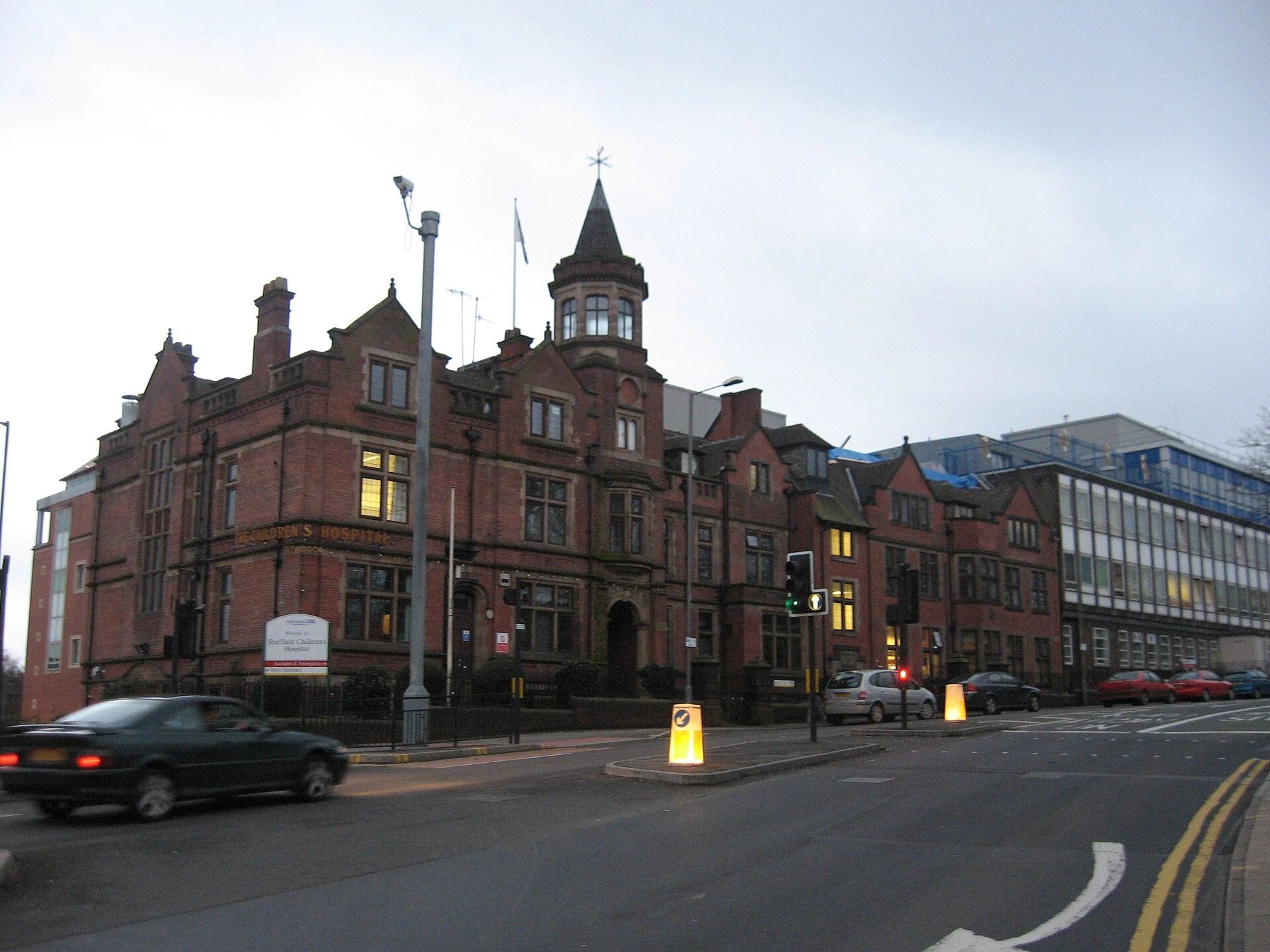
The speed with which symptoms can escalate was visible in the case of Heidi Howson, who was admitted to Sheffield Children’s Hospital on a Saturday, diagnosed by Monday with acute lymphoblastic leukaemia and started intensive chemotherapy 24 hours later. Her family said she spent her sixth birthday on the sofa surrounded by friends and family while treatment took its toll. Against that backdrop, a former patient returning to Sheffield Children’s not as someone being treated but as a visitor, or even as a doctor for the day, carries a plain message: the hospital’s work does not end when the ward door closes.