World
Sixty Nations Plan Fossil Fuel Phase-Out Without U.S. Involvement
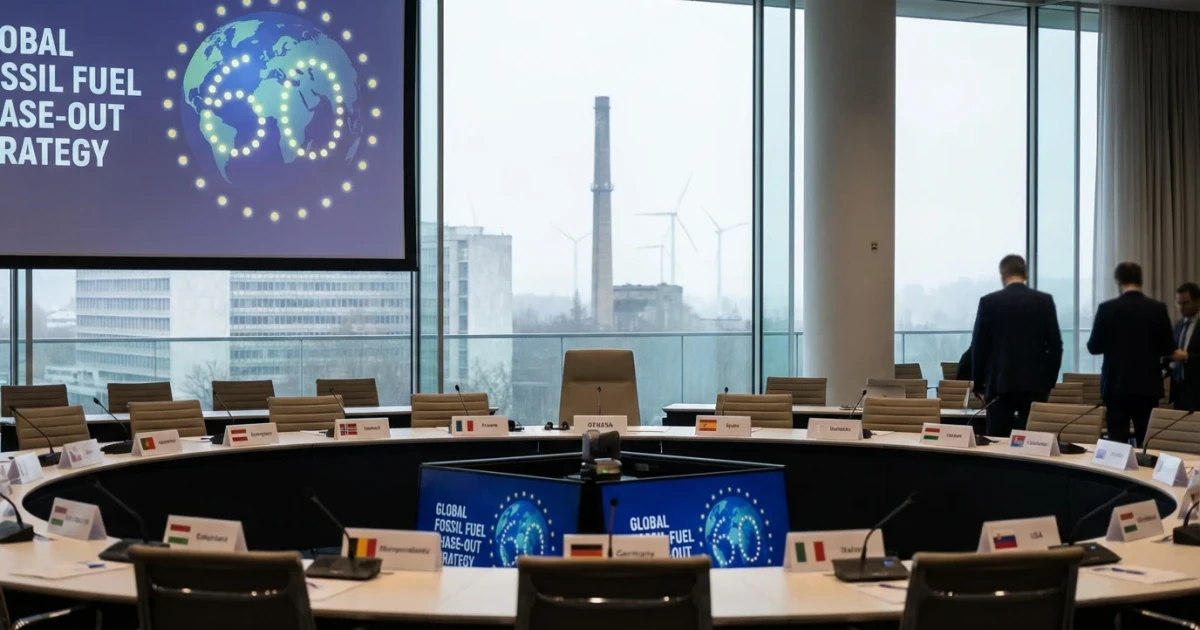
Sixty countries are preparing to convene for high-level talks on phasing out fossil fuels, a move that highlights growing international momentum toward clean energy but also exposes tensions over the absence of the United States, one of the world’s largest emitters and energy producers.
Global Coalition Moves Forward
According to The New York Times, the summit, which gathers some of the world’s most climate-forward nations, aims to accelerate plans for reducing reliance on coal, oil, and gas. The participants, representing a cross-section of developed and developing economies, are expected to discuss timelines, financial support mechanisms, and technological solutions for shifting away from fossil fuels.
- Sixty countries are joining the talks, reflecting broad geographical and economic diversity.
- The focus is on setting concrete targets and forging new partnerships for clean energy adoption.
- Discussions will include how best to support nations most vulnerable to the impacts of climate change.
U.S. Absence Raises Eyebrows
The exclusion of the United States from the summit is a striking development. As reported by The New York Times, the U.S. is not among the invited countries, despite its significant role in both fossil fuel production and international climate negotiations. The move reflects a growing frustration among some nations at what they see as insufficient action from Washington on fossil fuel phase-outs.
This absence could complicate efforts to develop globally coordinated strategies, given the U.S.’s economic and political influence. Some analysts suggest it may also signal a shift in leadership on climate action from traditional powerhouses toward a broader coalition of willing nations.
Energy Security and Geopolitical Tensions
The talks are taking place against a backdrop of heightened energy security concerns. The New York Times notes that even some green-leaning countries are reconsidering domestic drilling in response to the ongoing crisis involving Iran, which has disrupted oil supplies and put pressure on energy markets. This underscores the delicate balance between rapidly cutting emissions and maintaining stable energy supplies.
While the summit’s main objective is to outline a path away from fossil fuels, the reality of recent geopolitical shocks means that some nations are hedging their bets, eyeing short-term measures to ensure stability while planning for a long-term energy transition.
Looking Ahead: Ambitious Goals, Complex Challenges
As these 60 countries prepare to meet, the world is watching to see if their efforts can yield meaningful progress on climate action in the absence of the U.S. The outcome of these talks will likely influence future negotiations and could reshape global alliances around clean energy and climate policy.
The summit demonstrates both the urgency and complexity of phasing out fossil fuels in a world still heavily dependent on them. The lack of U.S. participation raises critical questions about the pace and equity of the global transition, and whether a new group of climate leaders can fill the gap.