Business
SK Hynix CEO warns of worst memory-chip shortage ever in 2027
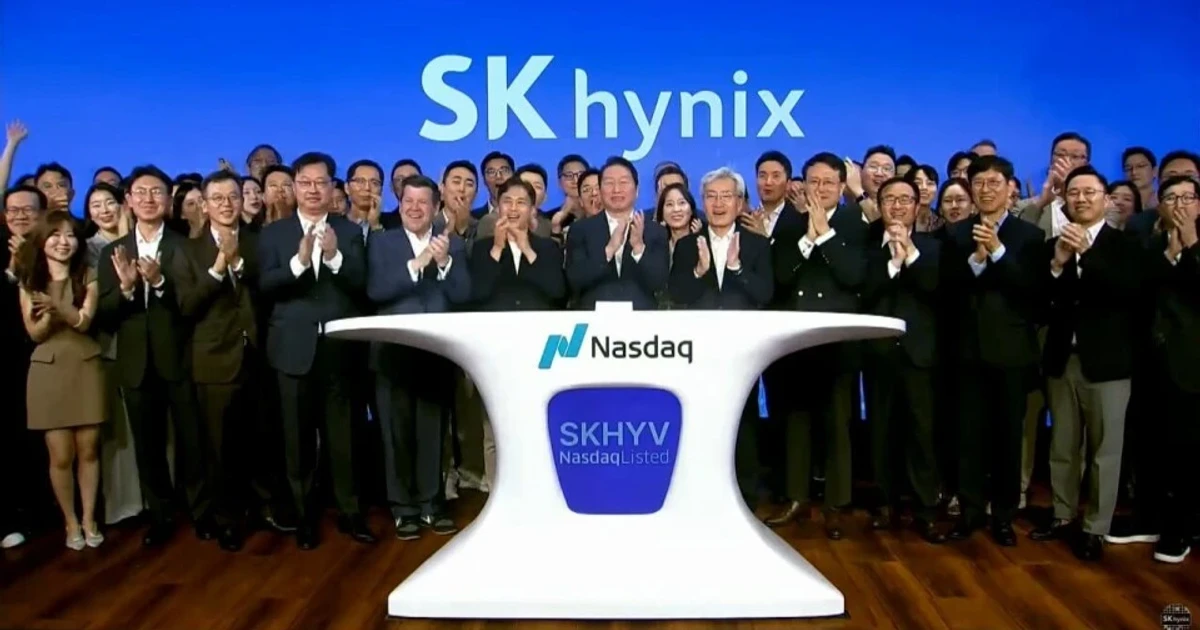
SK Hynix’s chief executive used the company’s U.S. market debut to warn that memory supply could tighten to the point of a historic shortage in 2027. Kwak Noh-jung said demand was still rising faster than the company could add output, even as SK Hynix pushed to expand capacity and equipment spending.
The warning landed on a day of celebration. SK Hynix priced its American depositary receipts at $149 and raised about $26.5 billion, the biggest first-time U.S. listing by a foreign company. Demand for the shares was more than seven times the amount available, and the stock rose 13.3% on the first day of trading, underscoring how strongly investors have embraced the AI supply chain.
SK Hynix has become central to that chain because of its leadership in high-bandwidth memory, or HBM, the component used in Nvidia chipsets and other advanced AI systems. In its filing with the U.S. Securities and Exchange Commission, the company said it held a 56.4% global HBM revenue share in the first quarter of 2026 and ranked second worldwide in both DRAM and NAND flash by revenue.
The company’s January market outlook showed why the shortage warning carried weight. SK Hynix said World Semiconductor Trade Statistics expected the global semiconductor market to reach about $975 billion in 2026, while memory was projected to grow 30%. The company also said some market research and investment banks saw the 2026 memory market topping $440 billion, a sign that AI demand was stretching the industry faster than new fabs and tools could come online.
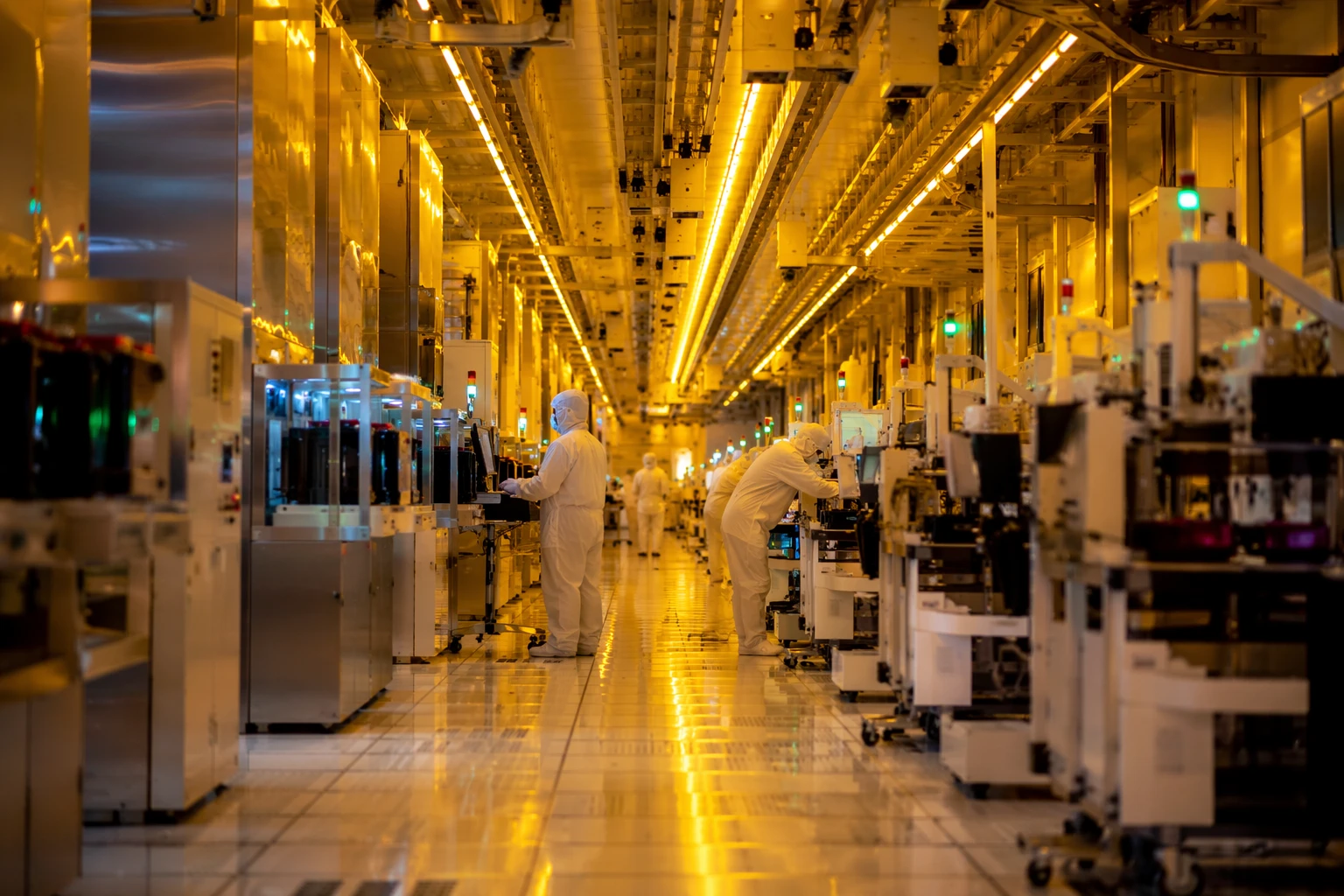
The strain is now shaping strategy at the top of the AI stack. On June 7, Nvidia and SK Hynix announced a multiyear technology partnership to co-develop next-generation memory for Nvidia’s Vera Rubin AI supercomputers, Vera CPUs, RTX Spark PCs and Jetson Thor robotics platforms. Jensen Huang said SK Hynix had been Nvidia’s largest memory partner and said its plan to double memory wafer capacity by 2030 would still not be enough to meet surging AI demand.
The combination of soaring orders, long factory lead times and heavy capital needs has made memory a structural bottleneck rather than a simple cyclical swing. If Kwak’s warning proves right, the pressure will not stop at chipmakers: it could shape the cost and availability of data-center builds, cloud infrastructure, consumer devices and the next wave of AI hardware well into the end of the decade.
Sources
- [1]money.usnews.com
- [2]finance.yahoo.com
- [3]sec.gov
- [4]investor.nvidia.com
- [5]news.skhynix.com