Technology
Skilled Trade Shortage Puts Pressure on U.S. Workforce
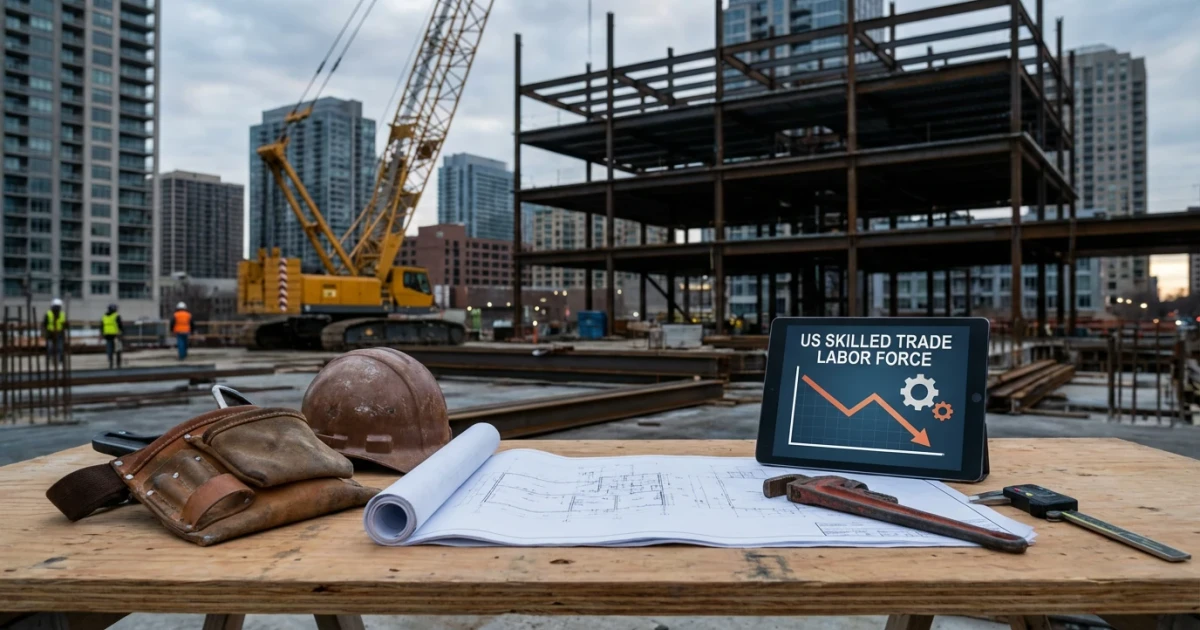
The United States faces a mounting shortage of workers in skilled trades, from electricians and welders to HVAC technicians and plumbers, according to recent industry and government reports. This labor gap is raising concerns among economists, business owners, and policymakers about the nation’s economic resilience in a period of rapid technological change and infrastructure investment.
Understanding the Skilled Trades Gap
The shortage is not new, but it has become more acute as experienced workers retire and fewer young people enter the trades. Data from the U.S. Bureau of Labor Statistics shows that construction and extraction occupations are expected to add hundreds of thousands of jobs through 2032, with replacement needs outpacing new entrants. This trend is echoed in industry research from the National Center for Construction Education & Research (NCCER), which notes persistent workforce shortages and highlights regions and trades most at risk.
According to the 2023 Skills Mismatch Report from the National Skills Coalition, the gap between job openings and available workers in skilled trades has widened, with many positions remaining unfilled for extended periods. Contributing factors include:
- An aging workforce, with many skilled tradespeople reaching retirement age
- A lack of awareness about career opportunities and earning potential in the trades
- Barriers to training, such as cost, access, and lack of high school career pathways
- Misconceptions about the physical demands and prestige associated with these careers
Economic Impact and Technology’s Role
The shortage in skilled trades has direct implications for the broader economy. Delays in construction projects, infrastructure upgrades, and manufacturing can lead to higher costs and slower economic growth. The Washington Post’s recent AI & Tech Brief notes that the integration of technology and automation in some sectors may alleviate pressure, but it cannot fully replace the need for human expertise in installation, maintenance, and repair roles.
Furthermore, the Job Openings and Labor Turnover Survey (JOLTS) from the Bureau of Labor Statistics indicates that job openings in construction and manufacturing remain elevated compared to historical averages, despite ongoing efforts to attract new workers.
Efforts to Close the Gap
Federal, state, and industry groups are ramping up efforts to expand workforce development programs, including apprenticeships and technical education. The Department of Labor’s Workforce System Results show investments in training initiatives that target underrepresented populations and promote skilled trades as viable, well-paying career options.
Industry organizations are also working to improve diversity in the trades. For example, statistics from the National Association of Women in Construction (NAWIC) highlight gradual increases in women’s participation, though they still represent a small fraction of the overall workforce.
Looking Ahead
Experts agree that addressing the skilled trade shortage will require coordinated action among educators, employers, and government agencies. Strategies include:
- Promoting skilled trades in schools and communities as attractive career paths
- Expanding access to affordable, high-quality training and apprenticeships
- Leveraging technology for improved productivity while investing in human capital
- Encouraging diversity and inclusion in recruitment and retention efforts
As the U.S. economy continues to evolve, the need for a robust skilled trades workforce remains critical. Stakeholders warn that without swift action, the gap could widen further, threatening the nation’s infrastructure ambitions and technological competitiveness.