World
Skye tourism boom fuels overcrowding and waste problems

Highland Council access rangers recorded 6,428 incidents of outdoor toileting across the Highlands in 2025, and blackwater dumping rose to 207 incidents from 126, with North Skye among the areas most affected. On Skye, where tourism supports around a quarter of the island’s roughly 13,000 residents and brings in about £260 million a year, the pressure is no longer abstract. It is showing up in roads, car parks and public toilets.
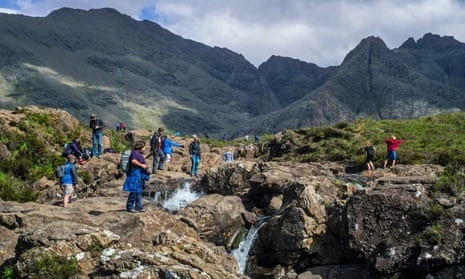
Highland Council has said key locations on the island are under strain from traffic, parking demand and limited access to toilet and motorhome waste facilities. The problem is most visible at sites such as The Storr, whose path network drew 274,000 visitors in 2023 and was projected to reach 285,000 to 300,000 in 2024. At the Fairy Pools, visitor numbers climbed from 13,000 a year in 2006 to as many as 200,000 now, turning a scenic stop into a test of basic services.
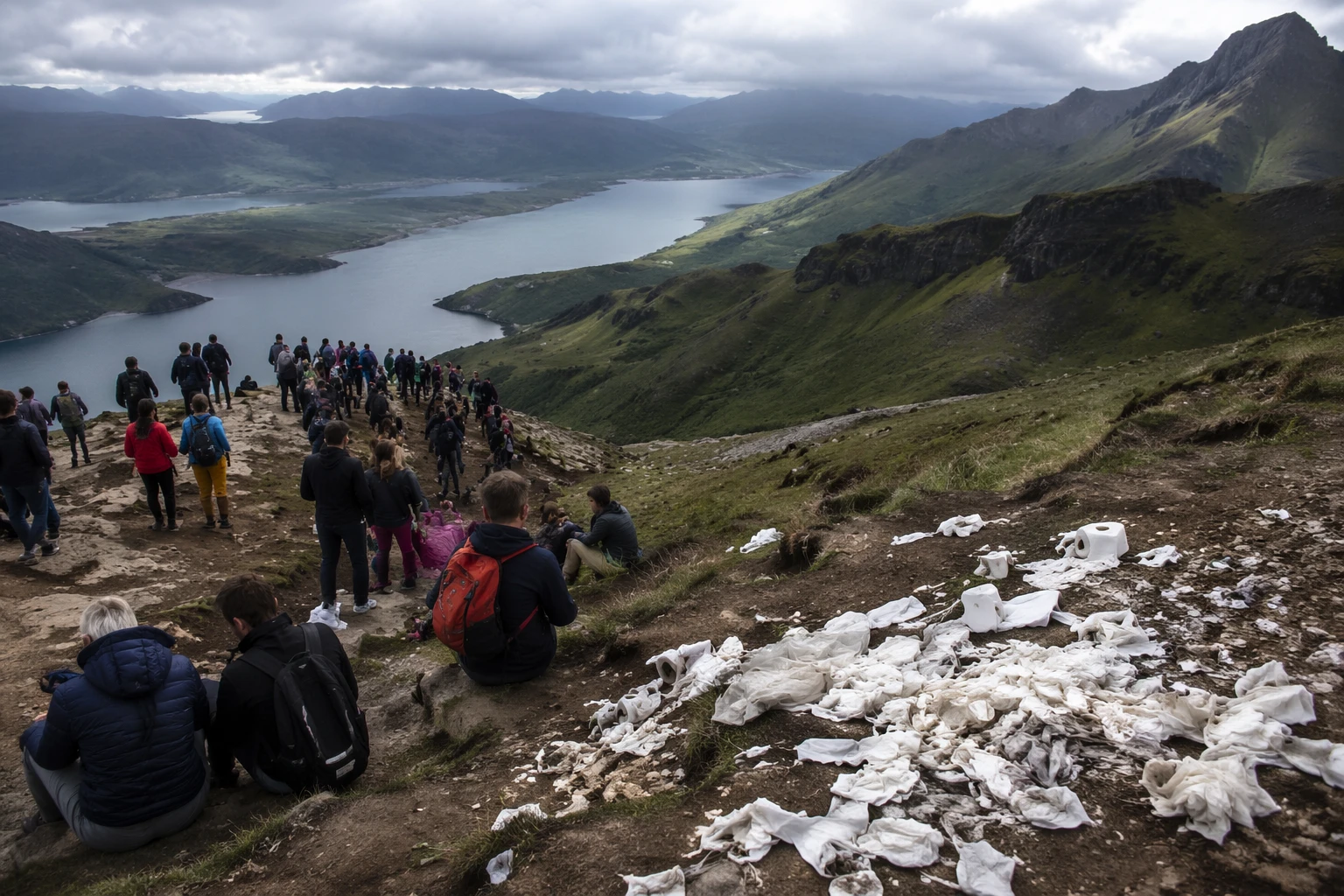
That strain drove the Fairy Pools car park and off-grid toilets project, which began in 2017 after years of severe congestion and basic infrastructure gaps. The same mismatch now shows up in waste disposal. When campervans and motorhomes use public toilets for blackwater, facilities can block and close, leaving councils with higher costs and nearby residents and visitors with fewer working amenities.

The island’s problems sit inside a larger Scottish tourism economy that still depends heavily on high visitor numbers. VisitScotland says Scotland recorded 92 million tourism visits in 2024, worth £11.4 billion in visitor spend. That scale helps explain why Skye keeps drawing more traffic, but it also sharpens the choice facing local officials: stronger enforcement against illegal dumping, more properly sited motorhome facilities and enough toilet capacity to keep scenic sites open without pushing the burden onto nearby communities.