Business
Slate switches to cheaper LFP batteries for its low-cost electric truck
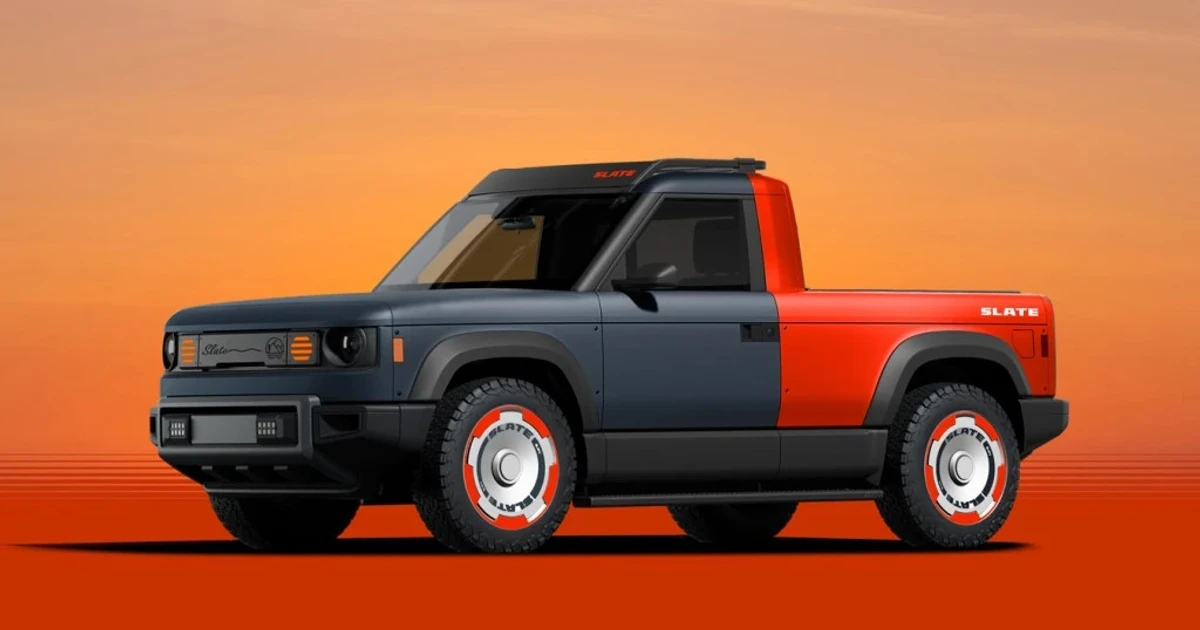
Slate switched to cheaper lithium-iron-phosphate batteries for its low-cost electric pickup as the company moved to open preorders and release pricing on June 24, 2026. The change sharpens the economics behind a truck that Slate first unveiled in April 2025, when it pitched the model as a stripped-down EV that could start under $20,000 after the federal tax credit.
The pricing target has since climbed into the mid-$20,000s, but Slate is still betting that simplicity can keep the truck within reach. The company’s own materials describe it as a “blank Slate,” a vehicle built without extra equipment that drives up the sticker price, and say owners will be able to personalize it over time, including by converting it into an SUV with modular kits.
The battery switch is central to that pitch. Slate had initially leaned on U.S.-made nickel-manganese-cobalt, or NMC, cells, a choice that fit the company’s earlier plan to protect the truck’s eligibility for the $7,500 federal EV tax credit. Slate CEO Chris Barman said LFP would have made compliance with the credit’s battery-sourcing rules more difficult, a reminder that the tax incentive has been shaped as much by supply-chain policy as by consumer demand.
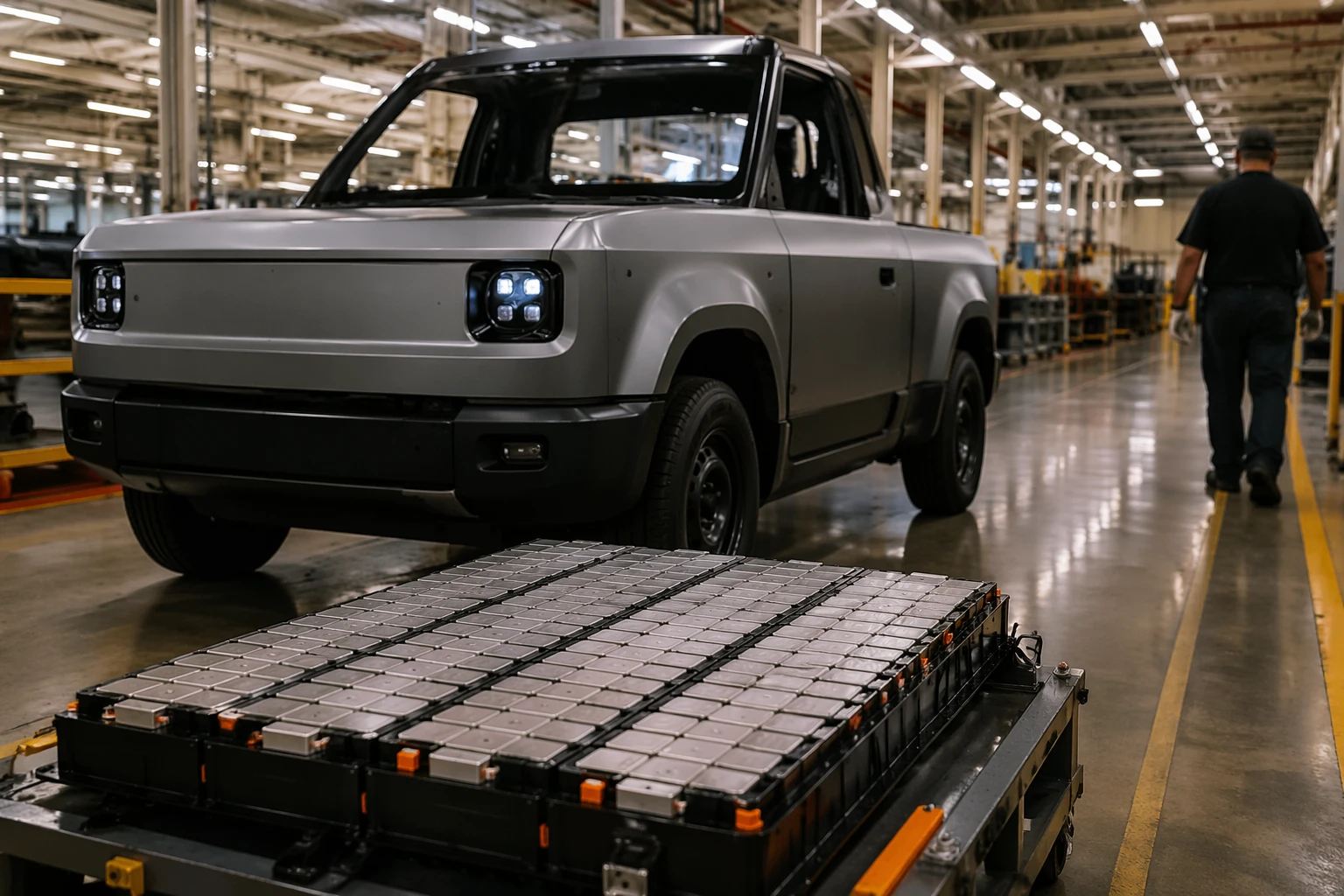
LFP changes the cost equation. The chemistry is generally cheaper than NMC, which is one reason it has become common in lower-cost electric vehicles. NMC, by contrast, offers higher energy density, a tradeoff that can help maximize range but usually comes at a higher price. For Slate, moving to LFP signals a willingness to give up some of the sourcing logic tied to the tax credit in exchange for a battery pack that better matches its affordability goals.
That shift also says something about the U.S. market Slate is trying to enter. The startup’s business model depends on a low base price and a long runway for optional accessories, but those economics are hard to sustain when battery costs are high and buyers expect usable range, not just a bare chassis. Slate’s embrace of LFP suggests domestic battery capacity has grown enough to make the cheaper chemistry more viable than it was when the company first chose NMC.
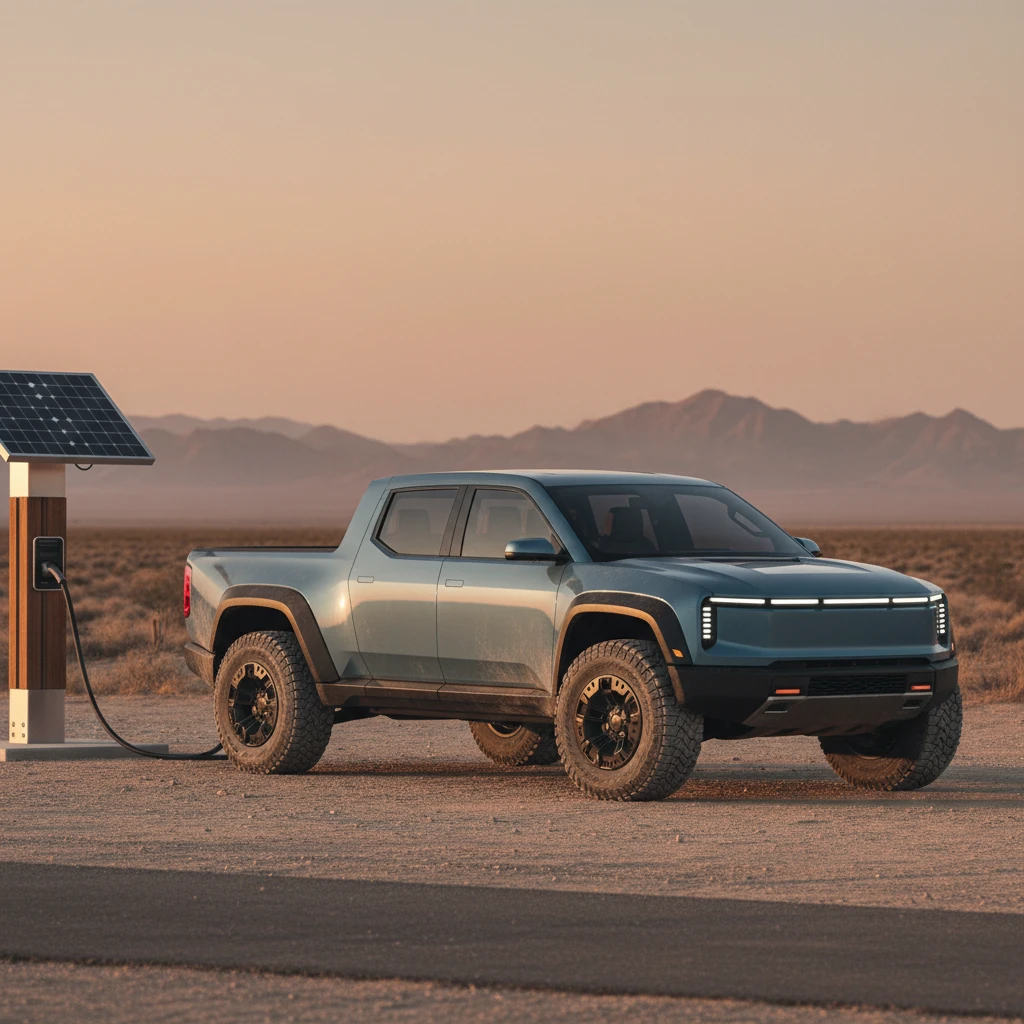
Slate’s truck remains a test of whether an American EV startup can sell a genuinely affordable electric pickup without letting the cost structure drift upward. The answer will depend on whether the company can keep the base truck cheap while persuading buyers to add only the pieces they really want.
Sources
- [1]techcrunch.com
- [2]insideevs.com
- [3]slate.auto