Technology
Sloth genome points to duplicated genes behind slow metabolism
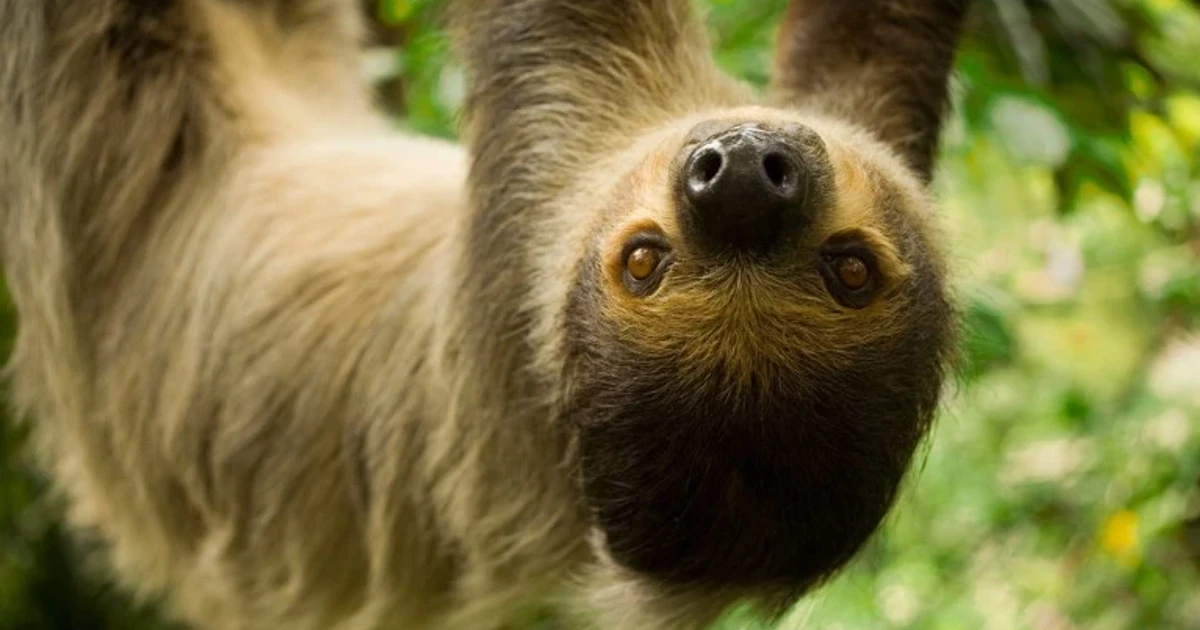
A two-toed sloth’s genome has given biologists a new clue to the animal’s famously slow pace: duplicated genes tied to mitochondria, the cell structures that generate energy. The finding points to genetic changes that may help explain how Linnaeus’s two-toed sloth, Choloepus didactylus, evolved a low-energy lifestyle built around leaf eating, tree living and extreme conservation of fuel.
The genome analysis, highlighted by Nature on June 18, 2026, focused on a captive two-toed sloth and was carried out by researchers at the Wellcome Sanger Institute, the Leibniz Institute for Zoo and Wildlife Research, and Hospital Sírio Libanês in São Paulo. Sloths are the slowest mammals on the planet, but they are also difficult to study in the wild because they live in dense jungles, which makes genomic work especially valuable for piecing together how their unusual biology arose.
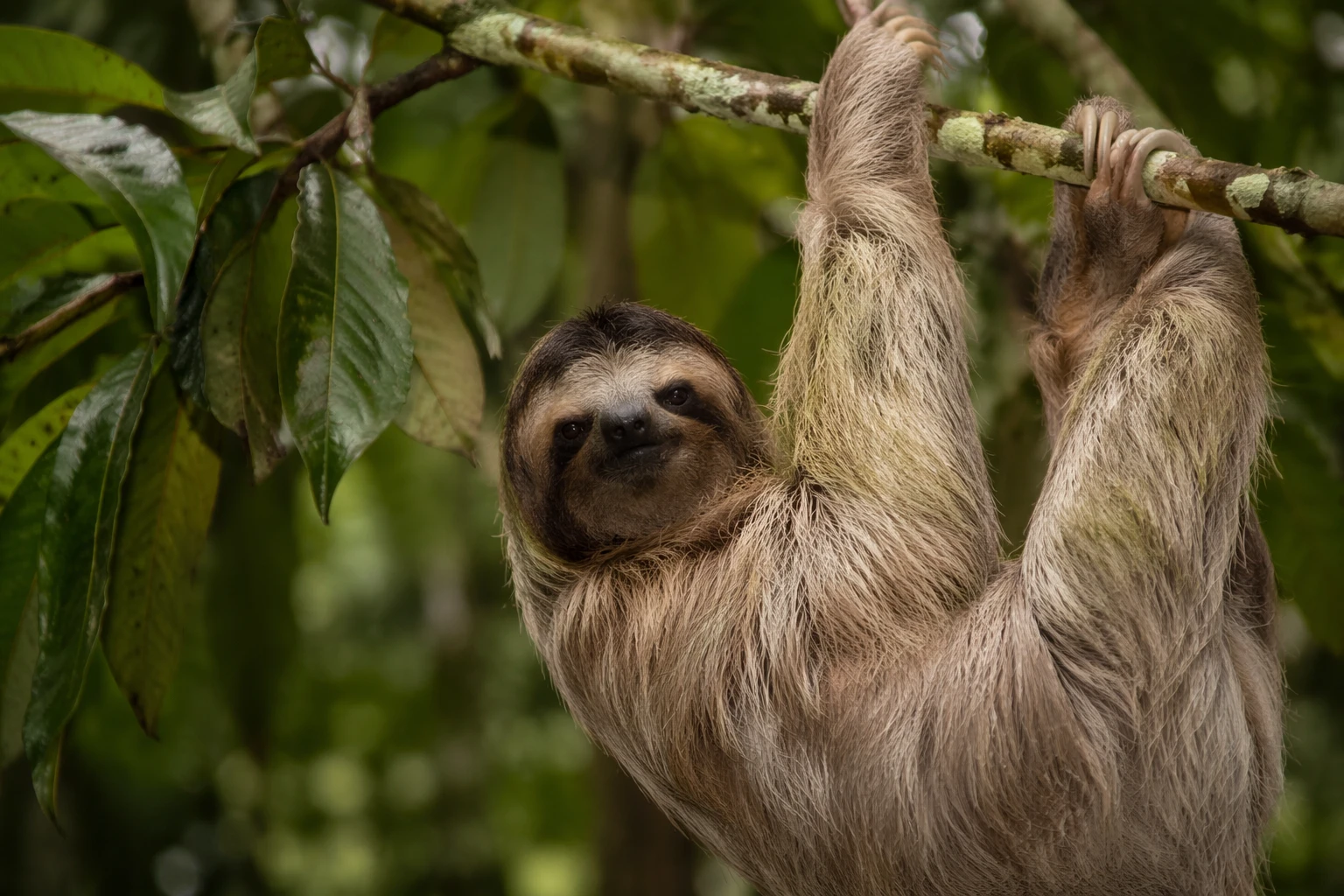
The most direct clue came from duplicated genes affecting mitochondria, the organelles that provide energy for cells. That does not prove the duplication alone caused the sloth’s sluggishness, but it strengthens the case that energy management has been reshaped at the molecular level. For a mammal that survives on a low-calorie diet and spends much of its life in the canopy, even small shifts in how cells produce and use energy could have mattered over evolutionary time.
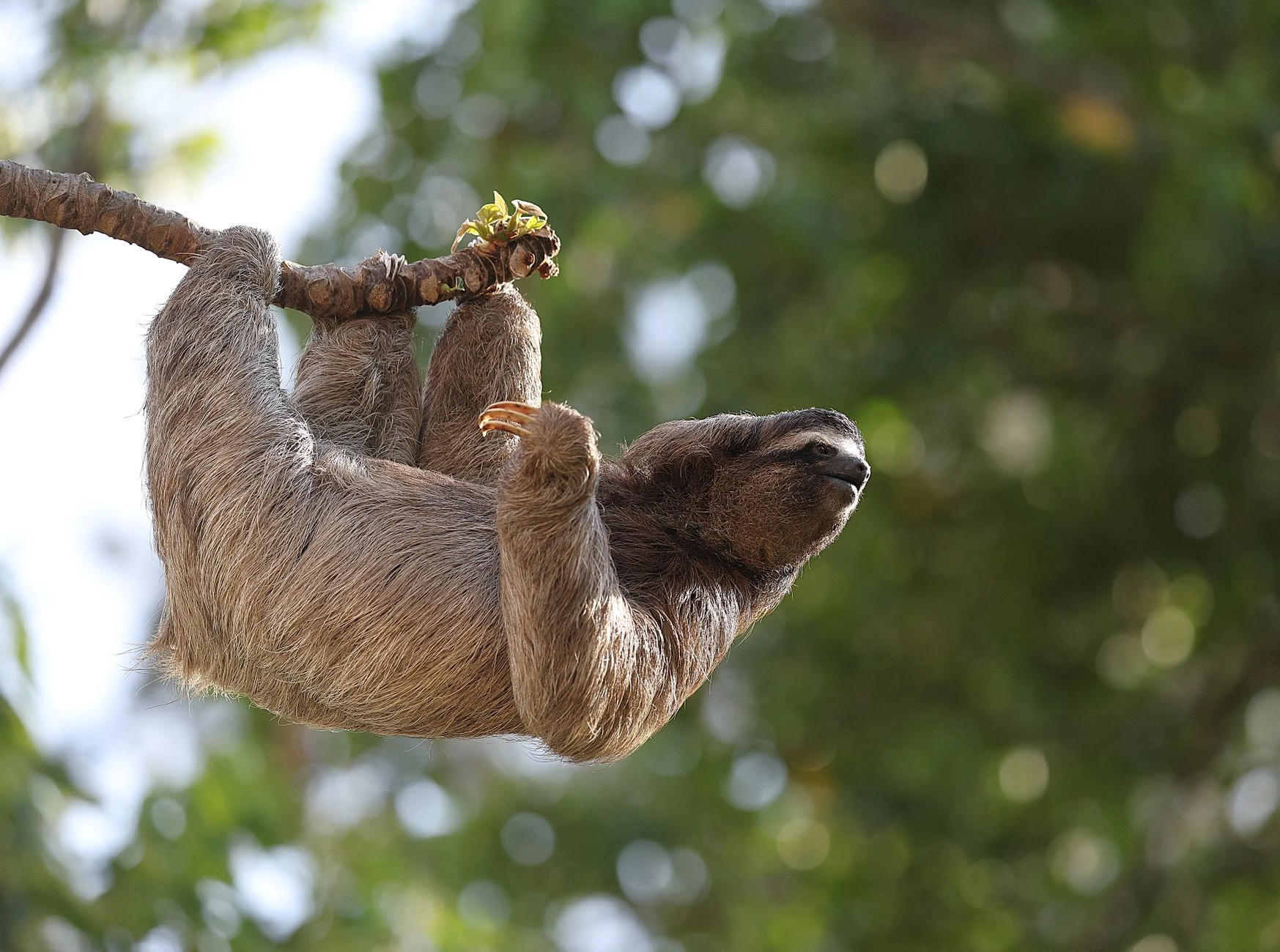
The work also used comparative genomics, comparing the sloth sequence with other mammal genomes, including an anteater and an armadillo. A related press release from the Leibniz Institute said the genome contained sloth-specific transposable elements, or jumping genes, that were conserved over millions of years and linked to metabolism. That suggests the sloth’s pace may reflect more than one genomic feature, with gene duplication and transposon activity potentially working together to shape how the animal uses energy.
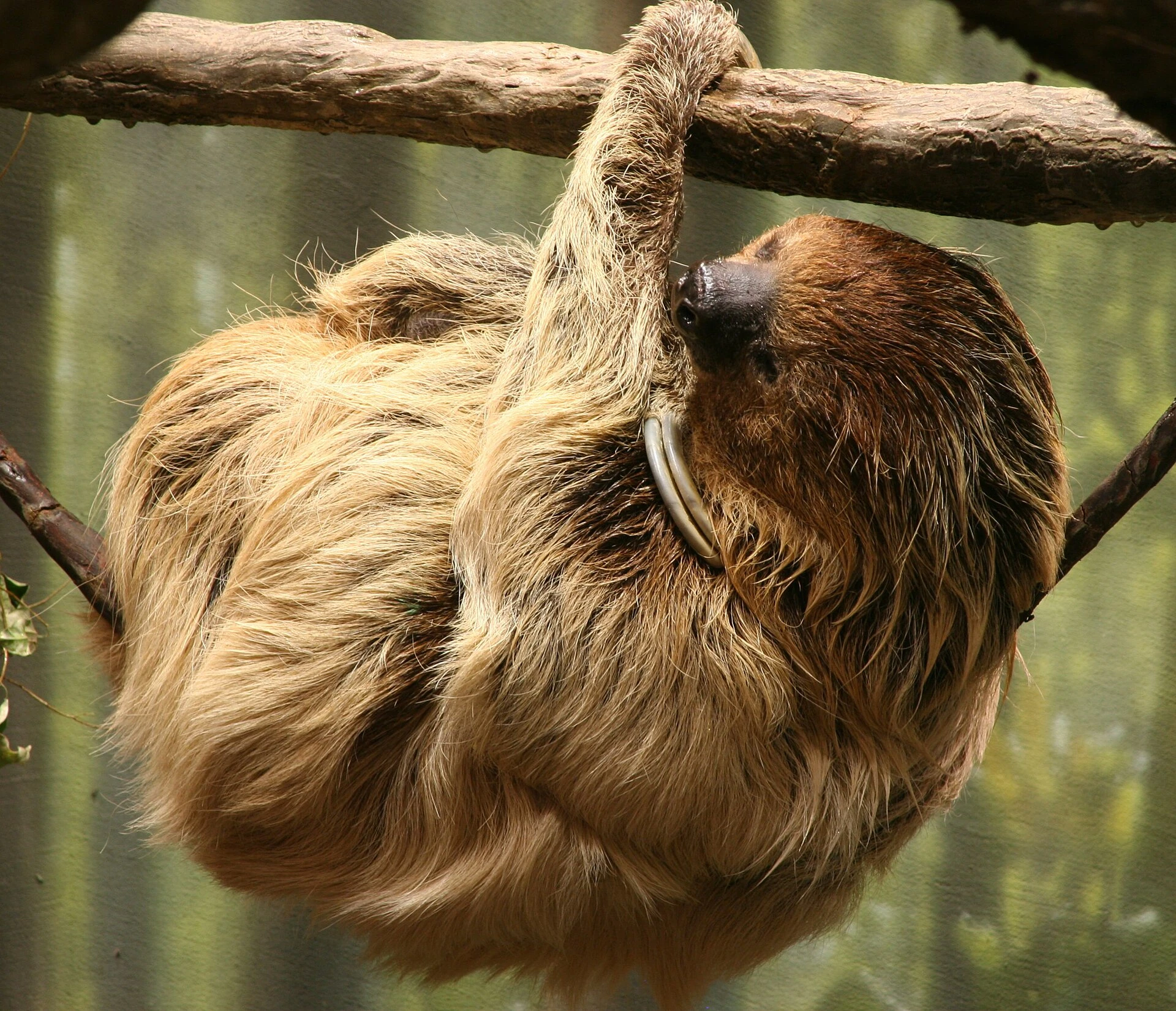
The broader significance reaches beyond one oddball mammal. The Sanger Institute’s Tree of Life Programme is generating high-quality reference genomes for eukaryotic life and sharing the data openly for biodiversity and evolutionary research. In that context, the sloth genome is more than a curiosity: it is a case study in how DNA can reveal the biological machinery behind an animal’s ecological niche, and why a body built for slowness may be the product of deep evolutionary tuning rather than simple inertia.
Sources
- [1]nature.com
- [2]sanger.ac.uk
- [3]izw-berlin.de