World
Sloth World Animals Arrive at Central Florida Zoo
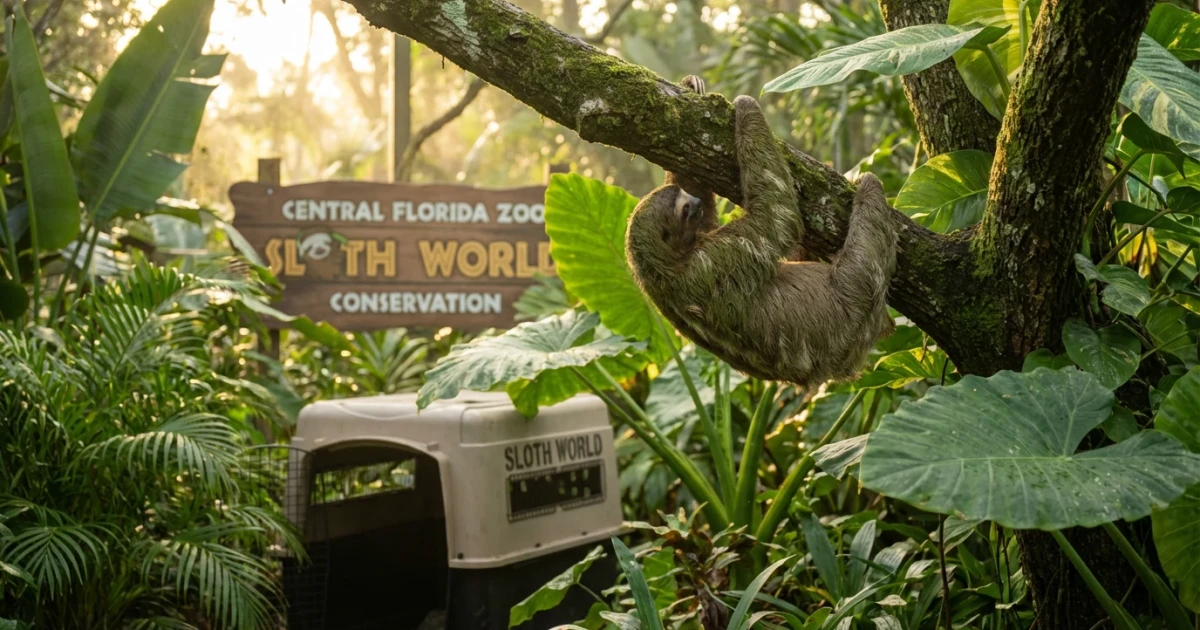
Several animals from the now-closed Sloth World exhibit have been relocated to the Central Florida Zoo, according to the Orlando Sentinel, marking a significant transition for both the animals and the institutions involved. The transfer is part of ongoing efforts to ensure quality care for species managed under accredited zoo programs and reflects broader trends in animal management and conservation.
Background of the Transfer
The relocation follows the closure of Sloth World, a facility previously dedicated to showcasing and caring for various sloth species. With the closure, arrangements were made for the animals’ welfare, culminating in their transfer to the Central Florida Zoo in Sanford, Florida. Such transfers are coordinated with oversight from organizations like the Association of Zoos and Aquariums (AZA) Species Survival Plan Programs, which guide the movement of animals between accredited facilities to support population health, genetic diversity, and public education.
Regulatory Oversight and Best Practices
Animal relocations of this scale in the United States are subject to rigorous standards outlined in the Animal Welfare Act and Regulations, enforced by the U.S. Department of Agriculture. These rules govern the humane treatment, transport, and housing of animals in zoos and aquariums. Additionally, international transfers or those involving threatened species require compliance with the CITES permit system, overseen by the U.S. Fish and Wildlife Service.
Central Florida Zoo’s New Arrivals
The Central Florida Zoo’s animal species list now includes the latest arrivals from Sloth World. While the Orlando Sentinel did not specify the exact number or species, the zoo is known to house a variety of mammals, reptiles, and birds, with sloths being a perennial favorite among visitors. The addition of these animals is expected to enhance the zoo’s education and conservation programming, drawing on the popularity and ecological importance of sloths.
Conservation and Species Management
Sloths, particularly the Brown-throated Sloth (Bradypus variegatus), are managed in North American zoos under the AZA’s Sloth Species Survival Plan. The program aims to maintain healthy, genetically diverse populations in human care, ensure high standards of welfare, and raise public awareness about threats facing wild sloth populations, such as habitat loss and illegal wildlife trade. The relocation of animals from Sloth World to an AZA-accredited zoo aligns with these goals and supports ongoing research and outreach.
- Sloths are classified as Least Concern globally, but some species face localized threats due to deforestation and poaching.
- AZA-accredited zoos cooperate on breeding recommendations and transfers to prevent inbreeding and ensure long-term population viability.
- Proper permitting and veterinary oversight are required for all animal relocations under USDA and CITES rules.
What This Means for Visitors and Conservation
The arrival of former Sloth World animals at the Central Florida Zoo offers new educational opportunities for visitors and supports broader species management initiatives. Guests can expect to learn more about sloth biology, conservation, and the role of accredited zoos in safeguarding wildlife. The transition also highlights the importance of collaborative efforts among zoos, regulators, and conservation groups in providing lifelong care for animals affected by facility closures or changes in management.
Looking ahead, the Central Florida Zoo is poised to integrate its new residents into public exhibits and educational programming, contributing to regional and national efforts in wildlife conservation. For more details about the zoo’s animals and conservation work, readers can visit the Central Florida Zoo’s official species list and the AZA Species Survival Plan Programs page.