Politics
Slovakia government survives confidence vote as debt breaches ceiling

Robert Fico’s government survived a parliamentary confidence vote even as Slovakia’s debt crossed the line that activates the country’s debt-brake rules, sharpening doubts about how seriously Bratislava is tackling the public finances. The National Council of the Slovak Republic backed the three-party coalition 78 to 61, but the result settled the political calendar more than the fiscal argument.
The vote came after the Constitutional Court of Slovakia ruled on Wednesday, June 18, 2026, that the government had to seek confidence without further delay. An earlier exemption from the strictest sanctions expired at the end of 2025, and the court’s order ended months of delay over a process that opposition lawmakers said should have been held much earlier.
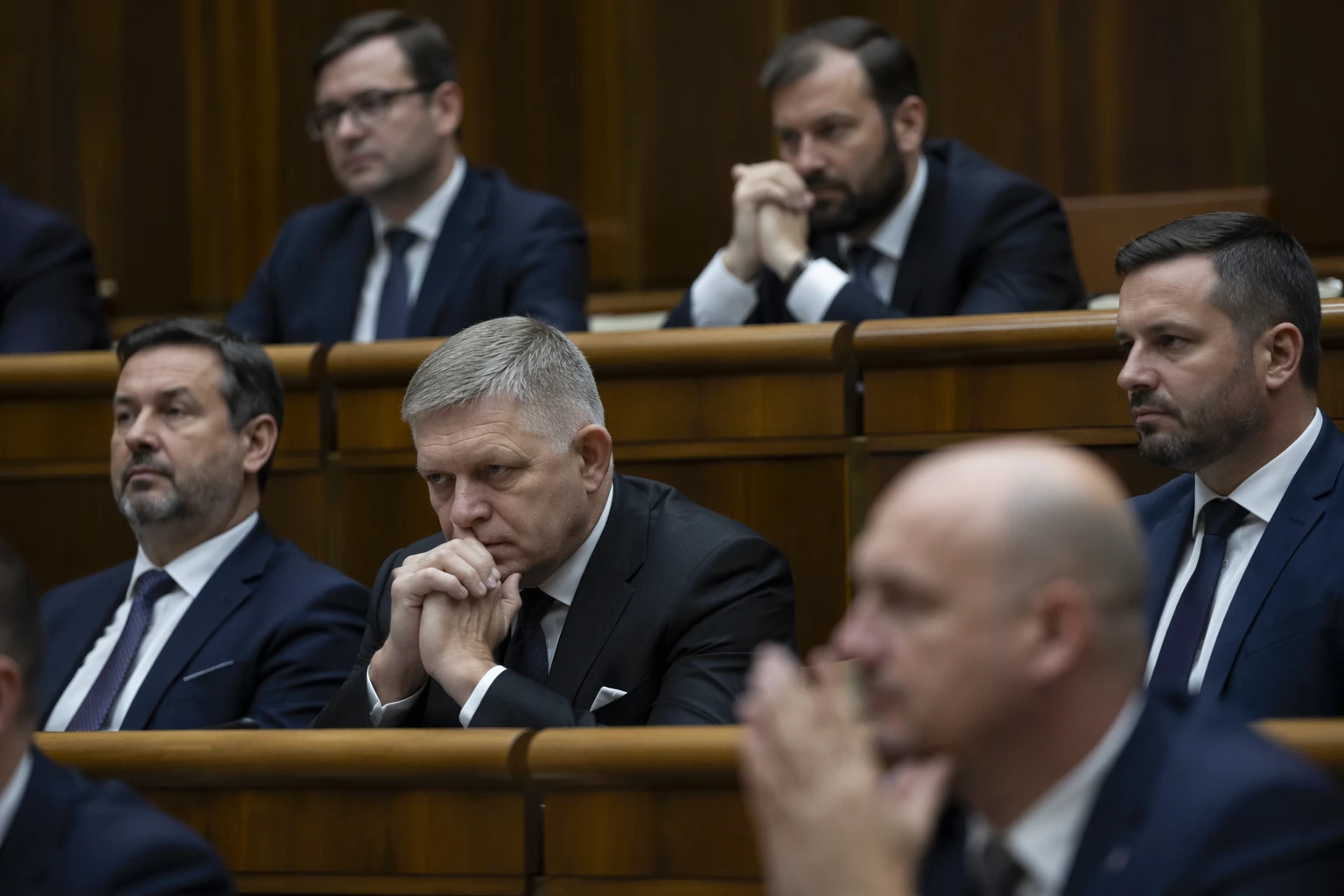
Slovakia’s debt-brake system has been in place since 2012 and is meant to force action long before public borrowing becomes dangerous. As debt rises, the law requires escalating corrective steps, starting with measures such as salary freezes for ministers and moving toward a confidence vote once debt reaches the highest thresholds. Reuters reported that the ceiling for triggering the vote had gradually been lowered and stood at 52% of GDP for 2025.

Official figures show why the warning lights were flashing. Slovakia’s general government debt rose from 59.70% of GDP in 2024 to 61.39% in 2025, or about 84 billion euros. The Slovak Statistical Office also said the 2025 deficit reached 4.45% of GDP, equal to 6.09 billion euros.

The Council for Budget Responsibility, Slovakia’s independent fiscal watchdog founded in 2012, said the government had failed to immediately request the required confidence vote or submit a 2025 debt-reduction plan. It also criticized the budget process as too short and insufficiently transparent, warning that the government’s own 2026 target of a 4.1% deficit was unrealistic and putting the likely figure closer to 4.6%.
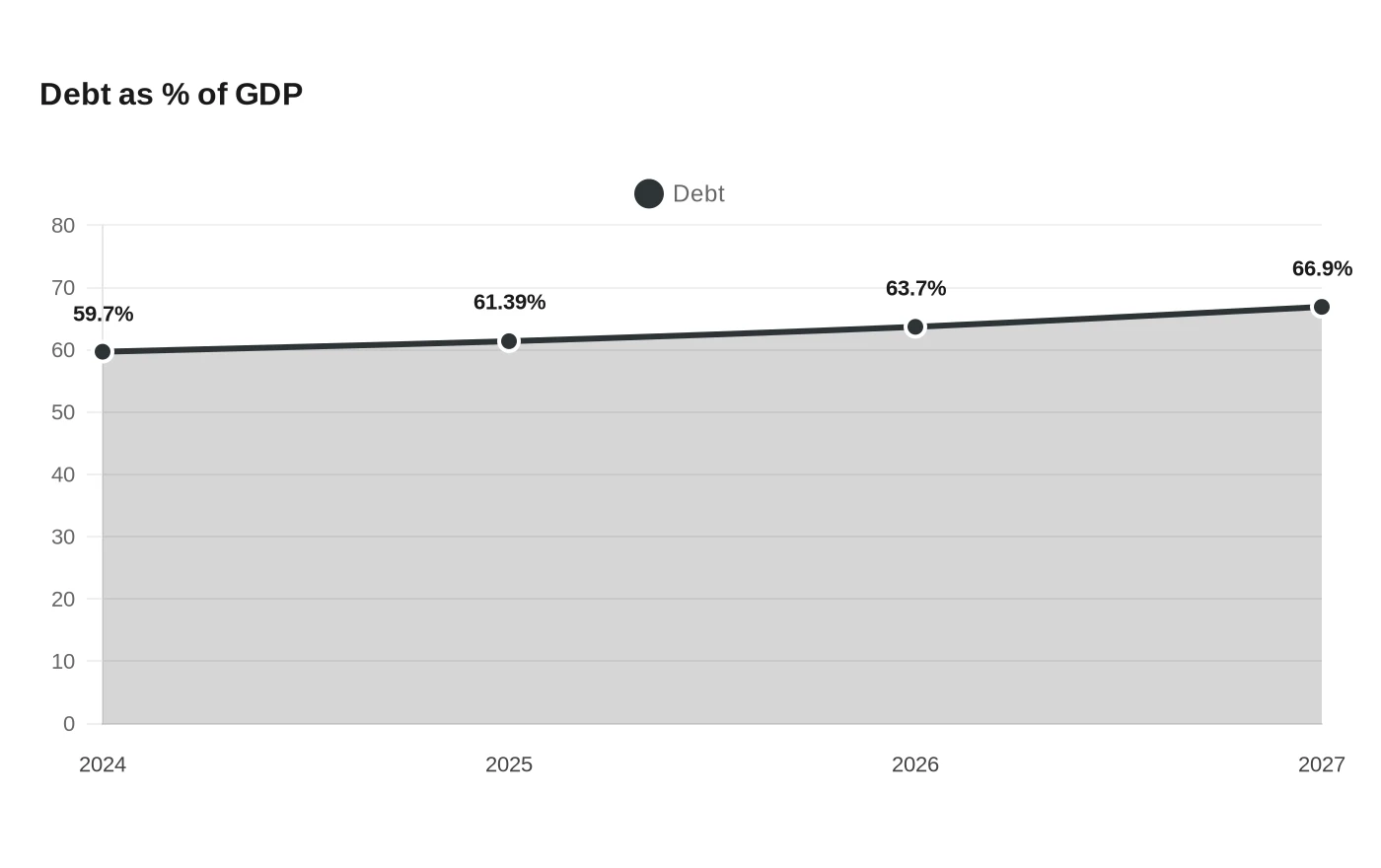
The broader outlook is still bleak. The European Commission’s spring 2026 forecast projected debt rising to 63.7% of GDP in 2026 and 66.9% in 2027, while the deficit would edge up from 4.5% in 2025 to 4.6% in 2026 and 5.4% in 2027 if policies do not change. That leaves Fico’s coalition with a political victory but not a fiscal escape, as slower growth, high inflation and persistent deficits keep pressure on a state that has already exhausted some of its procedural room to maneuver.
Sources
- [1]usnews.com
- [2]rrz.sk
- [3]economy-finance.ec.europa.eu
- [4]slovak.statistics.sk
- [5]tasr.sk