Technology
Small Wineries Worry About AI Tech Adoption
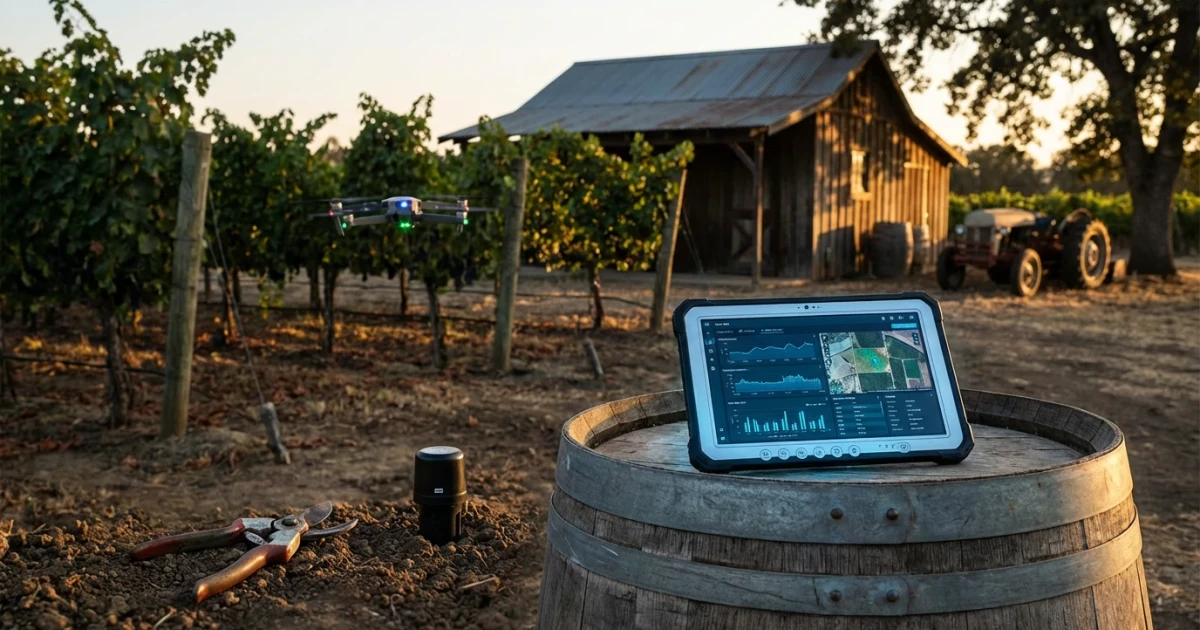
California’s wine country is at a crossroads. As artificial intelligence (AI) and precision agriculture technologies gain momentum in vineyards across the state, small and family-owned wineries—often called “mom and pop” operations—are expressing growing concern that the digital transformation could leave them behind.
AI Gains Traction in California’s Vineyards
California is the nation’s leader in wine grape production, with USDA data showing over 560,000 acres devoted to wine grapes. In recent years, larger wineries and vineyard operations have accelerated their adoption of AI-powered tools—ranging from autonomous tractors to advanced irrigation management systems that use real-time data to optimize water use and predict yields. According to a USDA Economic Research Service report, adoption of precision agriculture technologies is highest among larger farms with the capital to invest in new equipment and software.
- AI in practice: Many big-name wineries are now using AI algorithms to analyze satellite imagery and sensor data, helping them detect vine diseases, track ripening, and even forecast harvest dates with greater accuracy.
- Efficiency and sustainability: Proponents argue that AI can reduce costs, lower chemical use, and make water use more sustainable, providing a competitive advantage in a changing climate.
Small Wineries Face Steep Barriers
But the benefits of these advances are not reaching everyone equally. As reported by The Press Democrat, many small wineries in Sonoma, Napa, and surrounding regions worry that the high price tags and technical expertise required to implement AI technology could put them at a disadvantage. Data from the Wine Institute shows that the majority of California wineries produce fewer than 5,000 cases annually, operating on thin margins that make major capital investments risky.
- High upfront costs: Equipment like sensor arrays, drones, and AI-powered software can cost tens of thousands of dollars—potentially out of reach for smaller producers.
- Technical challenges: Many family-run vineyards lack in-house tech support or the time to train staff on complex digital platforms.
- Potential consolidation: Some experts warn that the AI adoption gap could accelerate consolidation in the industry, making it harder for small, independent wineries to survive.
State and Community Efforts to Bridge the Divide
Recognizing these challenges, state agencies and local organizations are working to make AI more accessible. The California Department of Food and Agriculture has launched pilot programs and grant opportunities aimed at supporting technology adoption among small and mid-sized farms. These initiatives include funding for demonstration projects and technical assistance, though demand often outpaces available resources.
Some community groups and wine associations are also exploring cooperative models, where small wineries can band together to share the costs and benefits of new technologies. Still, many industry observers note that more support will be needed to ensure smaller producers aren’t left behind as the sector modernizes.
A Growing Digital Divide in Wine Country
While the long-term promise of AI in agriculture is clear—offering efficiency, resilience, and sustainability—the transition is uneven. Small wineries, which play a crucial role in the region’s culture and economy, face a difficult choice: invest in costly new technology and risk financial strain, or fall further behind larger competitors already embracing automation and data-driven management.
According to the USDA ERS, small farms across the U.S. have historically lagged in technology adoption due to scale and resource constraints, a trend echoed in the wine industry’s current AI debate.
What Lies Ahead for Small Producers?
The fate of small wineries amid the AI revolution remains uncertain. While state programs and collaborative efforts offer some hope, many producers are calling for additional funding, more accessible training, and policies that recognize the unique challenges faced by family-owned vineyards. As California’s wine industry continues its push toward digital transformation, ensuring that all producers can participate will be essential for preserving the state’s diverse viticultural landscape.