Business
Smartphone Sales Face Steep Decline Amid Memory Chip Shortage
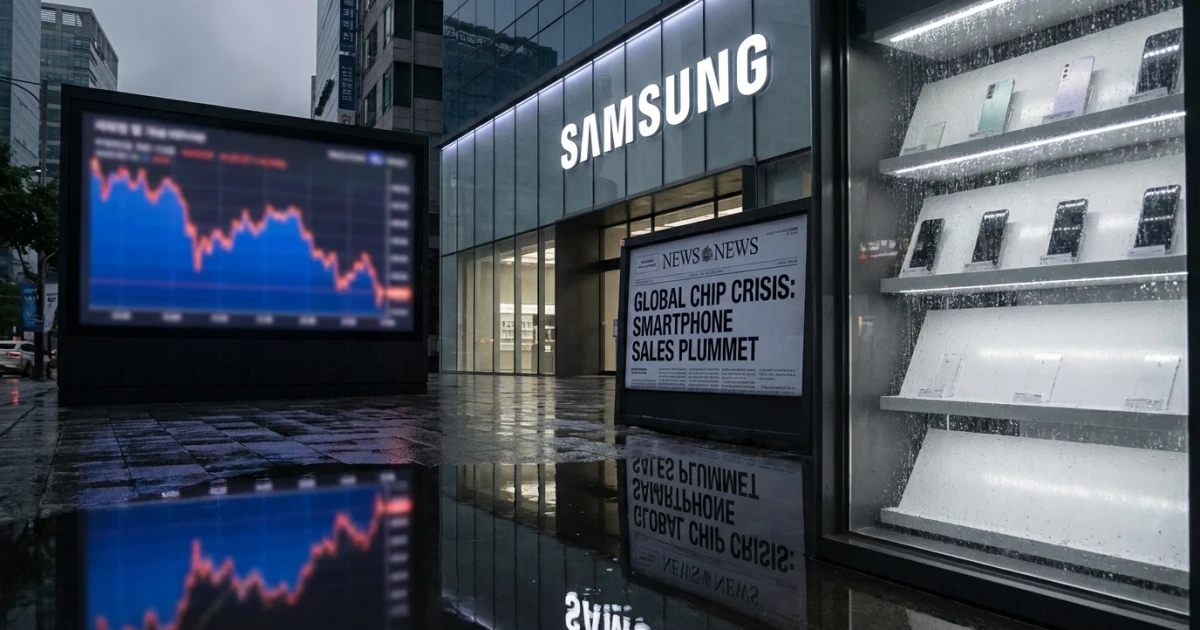
Global smartphone sales are set to fall sharply in 2026, with industry analysts projecting a 13% contraction in shipments. The primary cause, according to Bloomberg reporting on new IDC data, is a severe shortage of memory chips as artificial intelligence applications consume an unprecedented share of global supply.
AI Boom Squeezes Smartphone Supply Chain
The surge in artificial intelligence platforms and data centers has dramatically increased the need for advanced memory chips, particularly DRAM and NAND flash, essential for high-speed data processing. Bloomberg notes that AI is "gobbling up the world’s memory chips," diverting supply away from smartphone manufacturers and pushing component costs to record highs. This shift is having a direct impact on the consumer electronics sector, where smartphones rely heavily on these same components for performance and features.
Rising Prices and Falling Demand
As memory chip prices rise, smartphone manufacturers are forced to pass much of the added cost onto consumers. IDC’s analysis, as referenced by Bloomberg, highlights that device prices are expected to reach all-time highs in 2026. This is likely to suppress consumer demand, especially in price-sensitive markets, contributing to the projected double-digit decline in global shipments.
- The IDC Worldwide Quarterly Mobile Phone Tracker forecasts a 13% year-over-year drop in smartphone shipments for 2026.
- Bloomberg reports that surging memory chip costs are a key driver behind this decline.
- AI infrastructure projects are outbidding consumer electronics makers for available memory chip supply.
Ripple Effects Across the Tech Industry
The smartphone market has already been under pressure from factors such as market saturation, longer device replacement cycles, and economic uncertainty. The current memory chip crisis adds a new layer of complexity, with some manufacturers reportedly delaying new model launches or scaling back feature upgrades to manage component costs. This could further moderate consumer interest and slow the pace of innovation in the sector.
Industry analysts warn that if the memory chip shortage persists, it could have knock-on effects beyond smartphones, including delays in laptops, tablets, and other connected devices. Manufacturers may be forced to prioritize flagship models or regional launches, as available inventory becomes more limited.
Historical Context and Market Outlook
Smartphone sales have seen ups and downs over the past decade, but a 13% annual decrease would mark one of the steepest declines on record. While earlier downturns were attributed to the pandemic or macroeconomic headwinds, the current situation is driven by structural changes in the semiconductor supply chain due to AI’s explosive growth.
Bloomberg and IDC suggest that the outlook for recovery depends on how quickly memory chip manufacturers can ramp up production and whether the industry can balance demand between AI and consumer devices. Until then, consumers may have to adjust expectations for both pricing and availability of new smartphones.
Looking Ahead
With AI’s appetite for advanced memory showing no signs of slowing, the smartphone industry faces a challenging period of adjustment. Companies may need to innovate around supply constraints, seek alternative component sources, or redesign devices to use less memory. For consumers, 2026 could be a year of higher prices, fewer choices, and delayed upgrades in the smartphone market.