Politics
Smithsonian history museum director defends institution against White House attack

The White House’s 162-page attack singled out the Smithsonian’s National Museum of American History and its director, Anthea Hartig, as Congress weighed who gets to define the nation’s story inside public institutions. Hartig, who has led the museum since 2019, defended the institution in testimony Tuesday, pushing back against claims that it had become a political actor.
The report, titled “Saving America’s Story: How Ideological Capture at the Smithsonian Institution’s National Museum of American History Erases Our Heritage,” accused the museum of presenting “a radical view of American history” and engaging in “extreme political activism” and “anti-white bias.” It followed President Donald Trump’s March 27 executive order, “Restoring Truth and Sanity to American History,” and a broader review of the Smithsonian Institution ordered by the White House.
Hartig told lawmakers the museum “does not take sides in America’s political debates,” casting the National Museum of American History as a place that preserves evidence rather than advances an ideology. That defense went to the heart of the dispute: whether curators and directors are interpreting the past neutrally or selecting facts and framing that reflect the politics of the moment. The White House report specifically targeted Hartig’s past comments, extending the criticism beyond exhibitions to the leadership that shapes them.
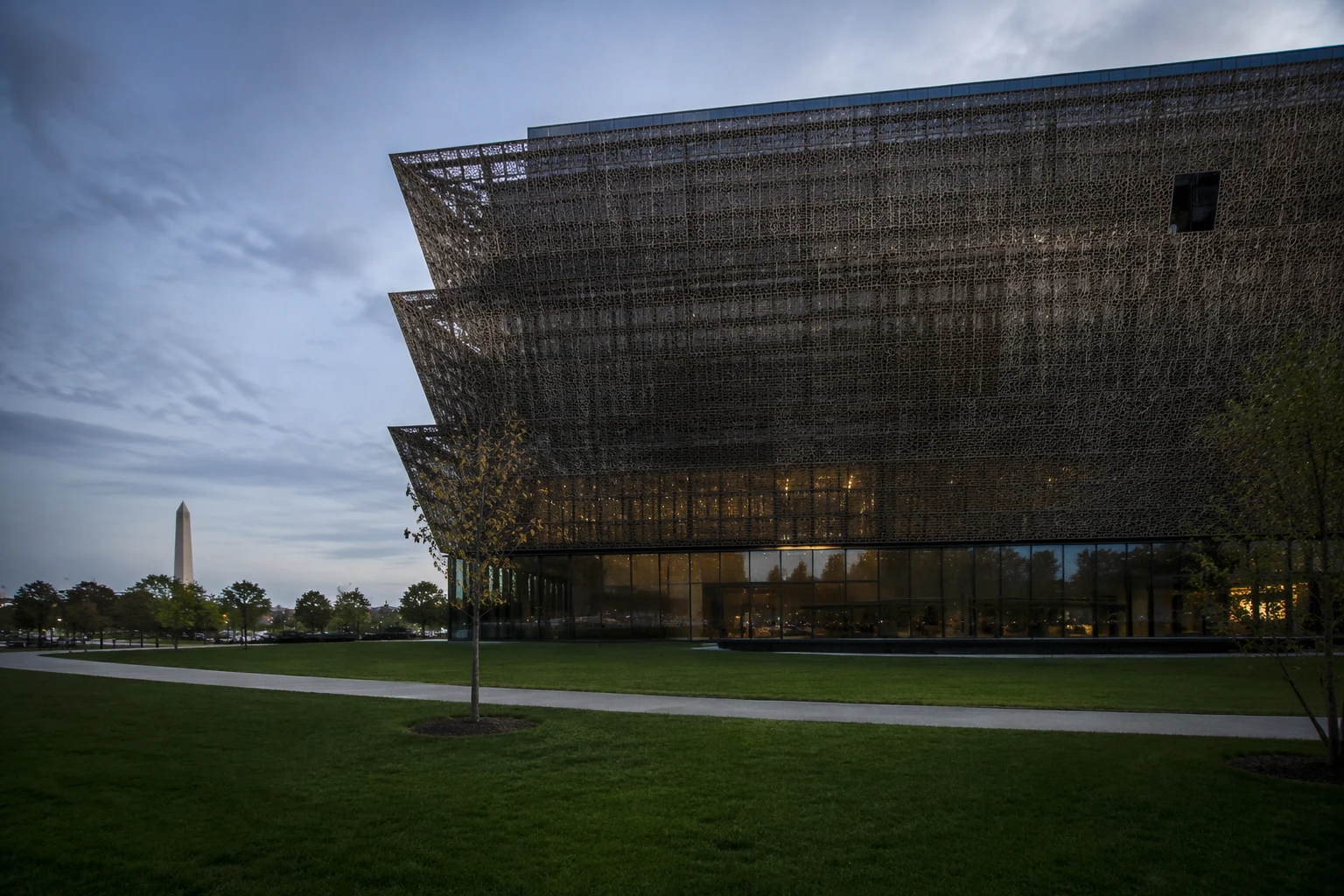
The clash centered on one of the Smithsonian’s flagship museums in Washington, D.C., a place that helps define how millions of visitors encounter American memory, from the nation’s founders to more contested chapters of public life. Historians defended Hartig and the museum after the attack, while House Democrats issued a rebuttal of their own, turning the fight into a broader political confrontation over federal cultural institutions.
The episode adds new pressure to the Smithsonian, which sits at the intersection of scholarship, public education and government oversight. With the White House using a formal report and executive order to challenge its interpretive choices, the dispute has become less about one museum director than about who controls the narrative of American history in federally linked institutions.
Sources
- [1]abcnews.com
- [2]whitehouse.gov
- [3]notus.org
- [4]seattletimes.com
- [5]c-span.org